
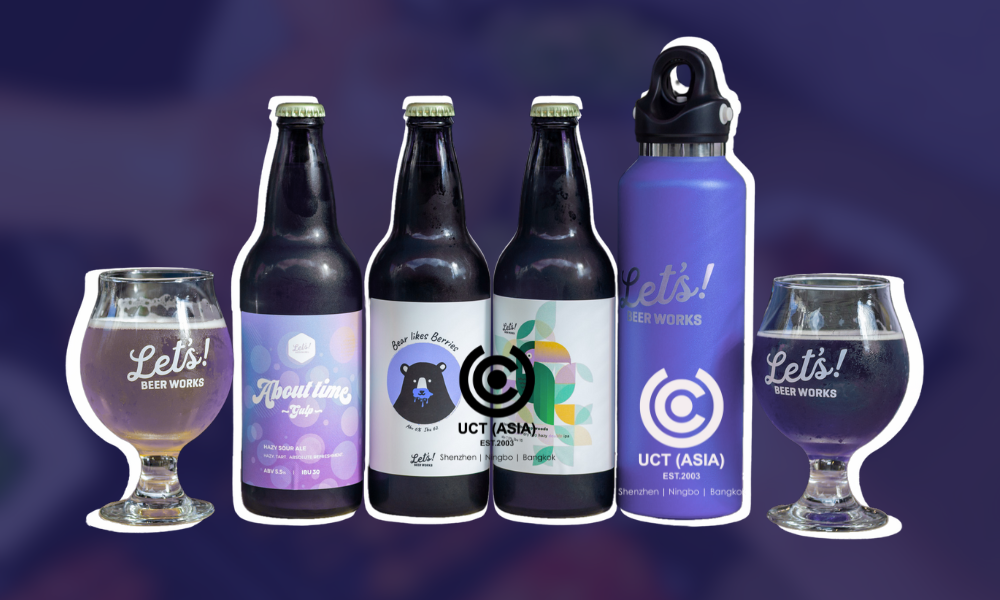
Walk into a thriving craft beer pub and you’ll notice something beyond the taps and the aroma of freshly poured ales. Customers are not just drinking beer. They are buying into an identity. That identity extends into what they wear, what they take home, and what they share with others.
The U.S. craft brewing industry generated over 77 billion dollars in 2023, according to the Brewers Association. That figure includes more than beer sales. It reflects a broader ecosystem where merchandise plays a measurable role in revenue, branding, and customer retention. In many taprooms, merchandise contributes between 5 and 15 percent of total revenue, turning casual visitors into long-term brand advocates.
So the real question becomes clear. Are you treating your merchandise as an afterthought, or as a core part of your customer experience strategy?
1. Why Craft Beer Merchandise Works
Merchandise in craft beer operates at the intersection of experience and identity. It does not simply promote your brand. It extends the drinking experience beyond your venue.
Several mechanisms drive its effectiveness:
- Experience amplification: The right glassware enhances aroma, carbonation, and presentation, directly influencing perceived taste
- Identity signaling: Apparel allows customers to express affiliation with your brewery in everyday settings
- Memory reinforcement: Physical products act as reminders of a positive taproom experience
This creates a compounding loop. A great experience leads to a purchase, the product reinforces the memory, and that memory increases the likelihood of repeat visits and word-of-mouth promotion.
2. What Kind of Craft Beer Merchandise Actually Sells (And Why)
Not all products perform equally. The best-selling items succeed because they combine function, visibility, and emotional connection.
Branded Glassware
Pint glasses, tulip glasses, and growlers consistently rank among top sellers. Their effectiveness comes from more than branding.
Different glass shapes influence how aromas are concentrated and released. This affects how drinkers perceive flavor and quality. When customers use branded glassware at home, they recreate part of the taproom experience.
Result chain:
Glassware design improves aroma perception, better perception enhances satisfaction, satisfaction drives repeat consumption and brand loyalty.
Branded Apparel
T-shirts, hoodies, and caps transform customers into mobile brand ambassadors. Nielsen data shows that 64 percent of consumers are more likely to engage with brands that have strong visual identity.
Apparel extends your reach far beyond your physical location. A single T-shirt worn regularly can generate hundreds of impressions over time.
Result chain:
Apparel usage increases visibility, visibility builds familiarity, familiarity strengthens trust, trust drives repeat purchases.
Accessories (Bottle Openers, Coasters, Tap Handles)
Accessories succeed because they integrate into daily habits. Bottle openers and coasters are used repeatedly, keeping your brand consistently visible in social settings.
These items also carry strong association with beer culture, reinforcing authenticity.
Result chain:
Frequent usage leads to repeated exposure, repeated exposure reinforces brand recall, recall increases likelihood of future purchases.
3. The Power of Custom Branding in Craft Beer
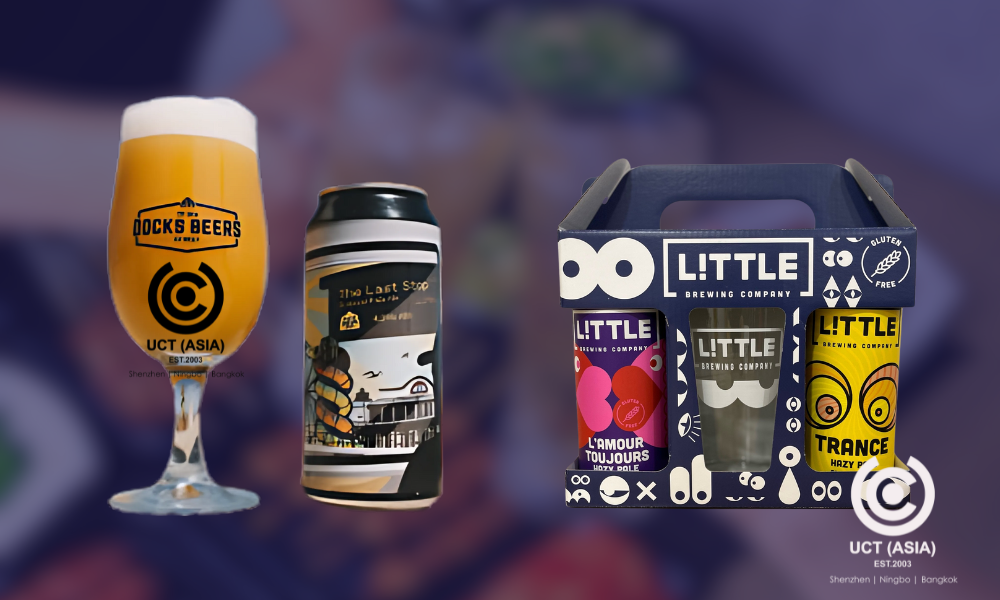
Craft beer thrives on personality. Your merchandise should reflect that same uniqueness.
Strong branding goes beyond placing a logo on a product. It involves creating designs that tell a story. That story might reflect your brewing philosophy, your local roots, or even a signature beer that defines your brand.
Consider these elements:
- Creative artwork that mirrors label design or beer themes
- Witty, beer-related messaging that resonates with your audience
- Location-based identity that taps into local pride
Consistency plays a critical role. When customers recognize your merchandise instantly, you reduce the effort required for brand recall and increase long-term retention.
4. Building a Merchandise Strategy That Drives Revenue
Instead of selecting products randomly, approach merchandise as a structured system.
Evaluate each product based on three dimensions:
1. Experience Value – Does it enhance the beer experience?
2. Visibility Potential – Will it be seen frequently in public or social settings?
3. Retention Duration – How long will customers keep and use it?
Products that score high across all three generate the strongest returns.
5. How to Sell More Merchandise (Conversion Tactics That Work)
Having the right products is only half the equation. Execution determines results.
Optimize Point-of-Sale Placement
Retail studies show that eye-level product placement can increase purchase likelihood by up to 30 percent. Position your merchandise where customers naturally pause, such as near the bar or checkout area.
Use Scarcity to Drive Urgency
Limited-edition releases create a fear of missing out. This psychological trigger encourages faster decision-making and higher conversion rates.
Leverage Digital Channels
Your online presence should mirror your in-store experience. A clean, mobile-friendly website combined with active social media promotion expands your reach beyond local customers.
Bundle Products Strategically
Offer combinations such as glassware plus apparel or seasonal packs. Bundling increases perceived value and average transaction size.
6. The Role of a Reliable Merchandise Partner
Quality directly impacts how customers perceive your brand. Poor materials or weak print quality can undermine trust, regardless of how strong your beer is.
A reliable production partner ensures:
- Consistent product quality
- Accurate branding reproduction
- Efficient production timelines
- Scalable solutions as your brand grows
This operational layer often determines whether your merchandise becomes a revenue driver or a missed opportunity.
7. From Merchandise to Brand Ecosystem
When executed strategically, merchandise evolves into more than a sales channel. It becomes part of your brand ecosystem.
Each product acts as a touchpoint, connecting your brewery to customers in different environments. Over time, these touchpoints compound, creating a network of visibility and engagement that operates continuously without additional marketing spend.
Think about the long-term impact. A customer who buys a glass today may use it hundreds of times. Each use reinforces your brand, increasing the likelihood of future purchases and recommendations.
Final Thoughts
Craft beer is not just about what is poured into the glass. It is about the story, the experience, and the connection people carry with them after they leave your pub. Merchandise plays a direct role in extending that connection into everyday life, turning customers into advocates and moments into lasting impressions.
If you want to scale your brand presence and create a more immersive customer journey, investing in the right craft beer pub merchandise strategy gives you a clear competitive advantage while unlocking new revenue opportunities.