
Introduction
Company culture isn’t built in boardrooms, it’s shaped through daily interactions, shared experiences, and the tangible symbols that represent your organization’s values. Personalised promotional products serve as powerful cultural artifacts that communicate what your company stands for, reward behaviors you want to reinforce, and create emotional connections between employees and your brand.
The data supports this approach. Organisations with strong cultures see 4x revenue growth compared to competitors, and 88% of employees believe strong company culture is key to business success. Strategic promotional products play an underestimated role in this equation, they’re not just giveaways, but physical manifestations of your cultural priorities.
Understanding the Psychology of Branded Merchandise
Why Physical Items Matter in Digital Workplaces
In an era of remote work and digital communication, physical branded items carry increased significance. They serve as:
- Tangible reminders of belonging to something larger than oneself
- Conversation starters that spark cultural discussions
- Status symbols that recognize achievement and tenure
- Shared experiences that create bonds between colleagues
Research from the Advertising Specialty Institute shows that 85% of people remember the advertiser who gave them a promotional product, and branded apparel generates an average 3,400 impressions over its lifetime. When those impressions come from employees wearing company gear with pride, the cultural impact multiplies.
The Reciprocity Principle
When organisations give thoughtful, high-quality promotional items, employees experience the psychological principle of reciprocity, where they feel compelled to give back through increased loyalty, engagement, and advocacy. This isn’t manipulation; it’s human nature. Quality swag signals that the company invests in its people, and employees respond by investing themselves in return.
Product Categories That Reinforce Culture
1. Onboarding Kits: First Impressions Matter
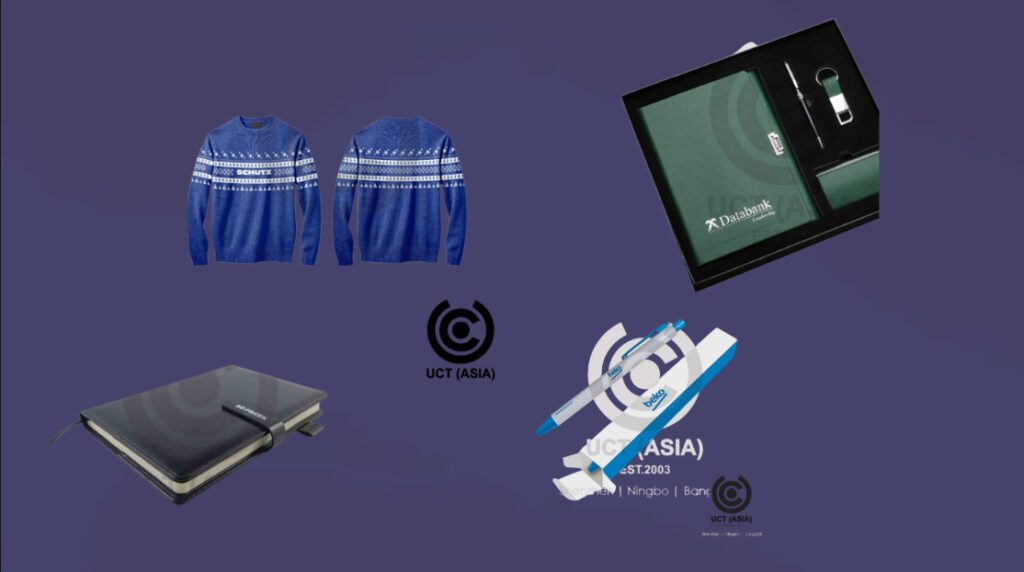
The Cultural Opportunity: New employee onboarding represents your first chance to immerse hires in company culture. A thoughtfully curated welcome kit communicates values before the first meeting.
Recommended Kit Components:
| Item | Cultural Message | Estimated Cost |
| Premium notebook with company values printed inside | “We value learning and documentation” | $8-12 |
| Quality pen set with engraved name | “Attention to detail and personalization matter” | $15-25 |
| Branded apparel (hoodie or polo) | “You’re part of the team now” | $25-40 |
| Reusable water bottle | “We care about sustainability” | $12-18 |
| Desk plant or succulent | “Growth and nurturing environment” | $10-15 |
| Welcome card with handwritten note | “You’re seen as an individual” | $2-3 |
Total Kit Value: $72-113
Best Practices:
- Include a culture guide or “company playbook” explaining values and traditions
- Add practical items they’ll use daily (quality matters more than quantity)
- Personalize with their name, not just the company logo
- Ship to remote employees before their start date
2. Recognition and Achievement Awards
The Cultural Opportunity: Public recognition reinforces desired behaviors and shows that contributions matter. Physical awards create lasting memories.
Product Ideas by Recognition Type:
Milestone Anniversaries:
- 1 year: Custom desk accessory with engraved name and date
- 5 years: Premium leather portfolio or bag
- 10 years: High-end watch or jewelry with company insignia
- 15+ years: Custom artwork or experiential reward
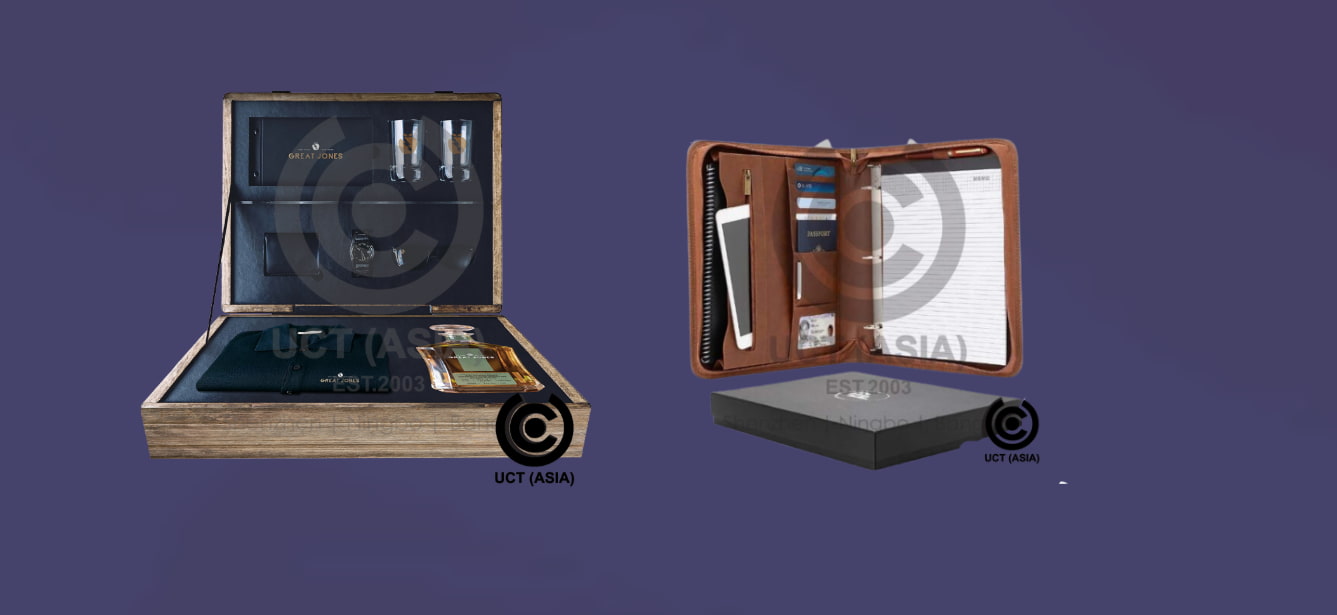
Performance Recognition:
- Sales achievements: Trophy-style awards with monthly/quarterly updates
- Innovation awards: Custom-designed items representing the specific achievement
- Team wins: Shared experiences (team dinners) plus individual mementos
- Values champions: Items that symbolize the specific value demonstrated
The Key: Connect the physical item to the specific achievement. Generic plaques feel impersonal; customized recognition feels meaningful.
3. Apparel That Employees Actually Want to Wear
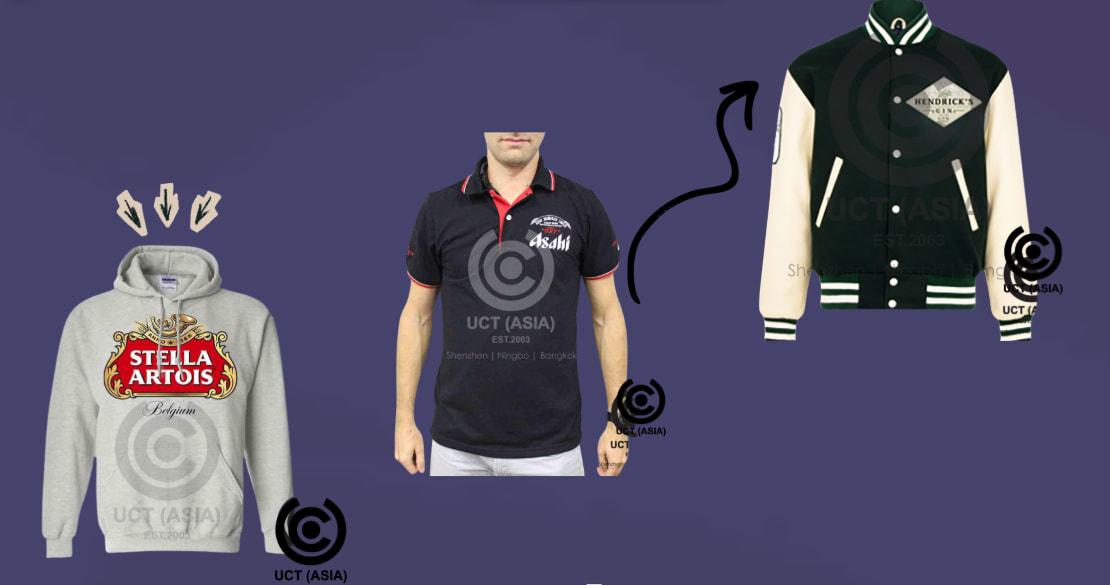
The Cultural Opportunity: Branded clothing turns employees into walking billboards, but only if the quality and design merit voluntary wear.
High-Engagement Apparel Categories:
Premium Basics:
- Soft-touch t-shirts (Bella+Canvas or equivalent quality)
- Performance polos for client-facing roles
- Quality hoodies for casual environments
- Technical jackets for outdoor/field teams
Design Principles:
- Subtle branding (small logo, not billboard-style)
- On-trend colours and cuts
- Quality that justifies wearing outside work hours
- Inclusive sizing (XS-3XL minimum)
Cultural Impact: When employees choose to wear company apparel on weekends, they’ve internalized brand pride. This only happens with quality items that look good and feel comfortable.
4. Wellness and Work-Life Balance Products
The Cultural Opportunity: Products that support employee wellbeing demonstrate that you value people beyond their productivity.
| Product | Cultural Message | Best For |
| Fitness tracker or smartwatch | “We invest in your health” | Health-conscious cultures |
| Meditation app subscription + branded eye mask | “Mental health matters” | High-stress environments |
| Standing desk converter | “Your physical comfort is important” | Office-based teams |
| Meal prep containers | “We support healthy habits” | Wellness programs |
| Sleep kit (mask, earplugs, lavender spray) | “Rest is productive” | Burnout prevention |
| Ergonomic accessories | “Long-term health over short-term output” | Desk workers |
Implementation Tip: Pair physical items with policy support. A yoga mat means more when accompanied by flexible scheduling for workouts.
5. Sustainability-Focused Products
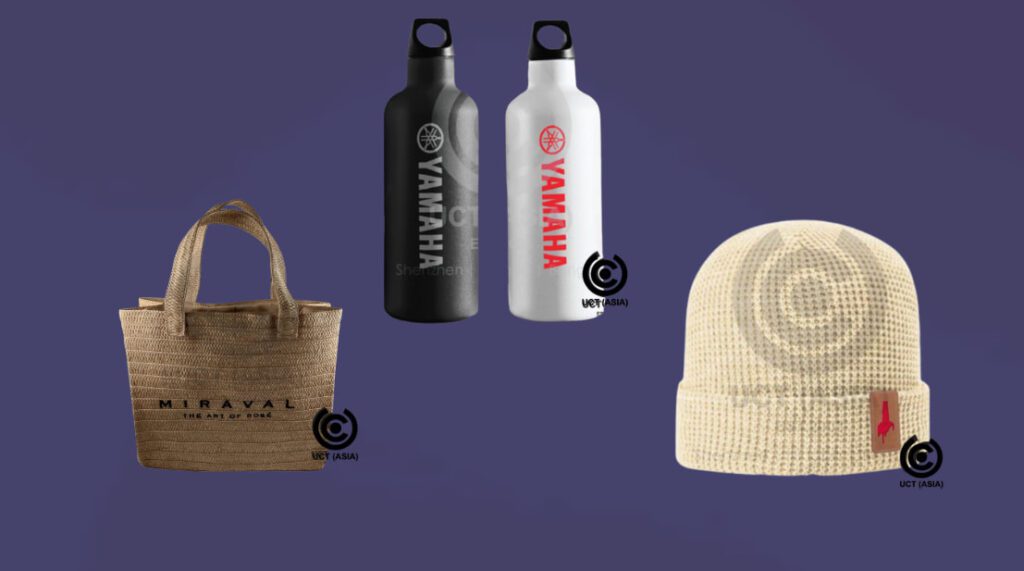
The Cultural Opportunity: For organizations prioritizing environmental responsibility, eco-friendly promotional products reinforce values through daily actions.
Sustainable Product Options:
Recycled Materials:
- rPET backpacks made from recycled plastic bottles
- Recycled aluminum drinkware
- Notebooks with recycled paper and covers
Renewable Resources:
- Bamboo utensil sets and cutting boards
- Cork accessories (coasters, mouse pads)
- Organic cotton apparel
Reusable Alternatives:
- Stainless steel straws with cleaning brushes
- Beeswax food wraps (alternative to plastic)
- Reusable produce bags
The Cultural Connection: When employees use these items daily, they’re living the company’s sustainability values. Each use reinforces the cultural priority.
6. Technology and Productivity Tools
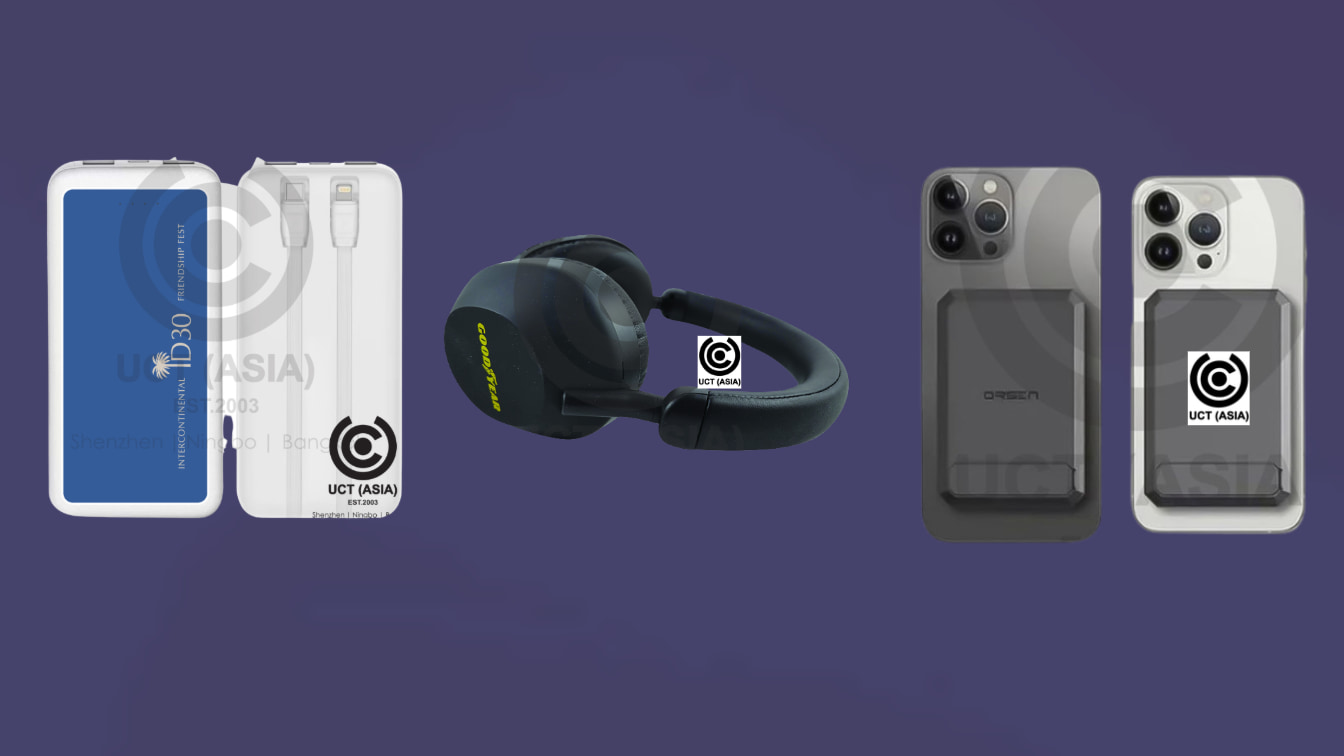
The Cultural Opportunity: Quality tech accessories signal investment in employee effectiveness and modern work practices.
High-Utility Tech Promotional Products:
For Hybrid/Remote Workers:
- Webcam covers (privacy focus)
- Blue light blocking glasses
- Wireless chargers with company branding
- Quality headphones or earbuds
- Laptop stands and ergonomic accessories
For Office-Based Teams:
- Wireless charging pads
- Cable organizers and management solutions
- Quality screen cleaners
- Branded power banks
For All Employees:
- Smart notebooks (Rocketbook or similar)
- USB-C hubs and adapters
- Quality phone cases
Cultural Message Example: “We equip you with tools to do your best work.”
Customisation Strategies That Maximise Impact
Personalisation Beyond the Logo
Name-Based Customisation:
- Engraved names on desk accessories
- Monogrammed leather goods
- Personalized water bottles
- Custom laptop sleeves with initials
Role-Based Customisation:
- Sales team: Items supporting client entertainment
- Developers: Tech-focused accessories
- Field teams: Durability-focused gear
- Remote workers: Home office enhancements
Interest-Based Customisation:
- Survey employees about preferences
- Offer choice within categories (color, style)
- Create themed collections (fitness, tech, sustainability)
Timing and Distribution Strategies
Welcome Moments:
- First day onboarding kits
- First client win celebrations
- First anniversary milestones
Achievement Moments:
- Project completions
- Sales targets reached
- Innovation implementations
- Values demonstrations
Surprise and Delight:
- Random recognition (not just scheduled)
- Holiday gifts that reflect company values
- “Just because” moments for tough weeks
Seasonal Relevance:
- Summer: Outdoor gear, wellness items
- Back-to-school: Organizational tools, learning resources
- Winter: Comfort items, wellness focus
- Year-end: Recognition awards, appreciation gifts
Measuring Cultural Impact
Quantitative Metrics
Engagement Indicators:
- Employee Net Promoter Score (eNPS) changes
- Voluntary turnover rates
- Internal referral rates
- Glassdoor ratings and reviews
Product-Specific Metrics:
- Usage rates (are they actually wearing/using items?)
- Social media mentions with branded hashtags
- Photo submissions for recognition programs
Qualitative Feedback
Survey Questions:
- “How do promotional products make you feel about working here?”
- “Which items do you use most often?”
- “What would you like to see in future company merchandise?”
- “Do company-branded items make you feel more connected to the team?”
Focus Group Insights:
- What do employees actually want?
- Which items feel meaningful vs. wasteful?
- How do products reflect company values?
Mid-Size Company ($100-250/year per employee):
- Comprehensive onboarding kit
- 2-3 apparel items
- Quarterly recognition opportunities
- Wellness products
Enterprise ($250-500/year per employee):
- Premium onboarding experience
- Seasonal apparel collections
- Monthly recognition programs
- Tech and wellness investments
- Milestone anniversary awards
ROI Considerations
The cost of promotional products should be weighed against:
- Reduced turnover costs: Replacing an employee costs 50-200% of their salary
- Increased productivity: Engaged employees are 21% more productive
- Recruitment value: Strong culture attracts talent (reducing recruiting costs)
- Brand advocacy: Employees become authentic brand ambassadors
When viewed through this lens, strategic promotional product investments often pay for themselves through retention and engagement improvements.
Common Mistakes to Avoid
1. Quantity Over Quality
Mistake: Ordering large quantities of cheap items that employees discard immediately.
Solution: Invest in fewer, higher-quality items that employees actually want to keep and use.
2. Generic Branding
Mistake: Slapping the company logo on everything without considering design aesthetics.
Solution: Work with designers to create merchandise employees would buy even without the company connection.
3. One-Size-Fits-All
Mistake: Giving everyone the same items regardless of role, location, or preferences.
Solution: Offer choices and customise based on employee segments.
4. Ignoring Remote Workers
Mistake: Focusing only on in-office employees for swag distribution.
Solution: Create remote-specific kits and shipping programs.
5. Lack of Follow-Through
Mistake: Giving items without connecting them to cultural values or recognition.
Solution: Always pair physical items with context like why they’re receiving it and what it represents.
Conclusion
Personalised promotional products are more than marketing expenses, they’re investments in company culture, employee engagement, and brand advocacy. When thoughtfully selected, customized, and distributed, these items become touchpoints that reinforce values, recognize contributions, and build emotional connections.The organisations that get this right don’t view promotional products as giveaways. They view them as cultural artifacts, physical representations of what they stand for and how they value their people.Start with quality over quantity. Personalise beyond the logo. Time distribution strategically. And always connect the physical item to the cultural message you want to reinforce.
At UCT Asia, we bring a strategic approach to consumer goods procurement, helping brands source and deliver high-end promotional items that align with their positioning and business objectives. Leveraging our extensive network across Asia, we manage the full process, from concept development and supplier sourcing to quality control and global logistics, ensuring every product meets premium standards. By combining regional expertise with a focus on innovation and reliability, we help transform luxury promotional items into impactful brand experiences that strengthen relationships and drive long-term value.
Frequently Asked Questions
How do we choose promotional products that actually reflect our culture?
Start by defining your cultural values clearly. Then select products that embody those values,sustainability-focused companies should choose eco-friendly items; innovation-focused companies might select tech-forward products. Survey employees to understand what they value and would actually use.
What’s the right budget for employee promotional products?
Budgets vary by company size and industry, but $100-250 per employee annually is a reasonable range for most organizations. This covers onboarding, recognition, and seasonal items. The key is consistency, small, regular investments outperform sporadic large purchases.
How do we ensure remote employees feel included in promotional product programs?
Ship onboarding kits before start dates. Create remote-specific items (home office accessories). Include remote employees in recognition programs with shipped awards. Use promotional products as reasons for virtual celebrations (“Everyone wear your company hoodie to tomorrow’s video call”).
Should we let employees choose their own promotional products?
Offering choice within categories increases satisfaction. Consider creating a “swag store” where employees can select items that match their preferences. Alternatively, survey employees quarterly about what they’d like to receive.
How do we measure if our promotional product strategy is working?
Track both quantitative metrics (usage rates, social media mentions, eNPS scores) and qualitative feedback (surveys about how products make employees feel). The goal is items that employees use voluntarily and associate positively with the company.
What’s the difference between cheap swag and quality promotional products?
Cheap swag gets thrown away or hidden in drawers. Quality promotional products become part of employees’ daily routines, water bottles they refill, apparel they wear on weekends, desk accessories they use constantly. Quality items cost more upfront but deliver infinitely more impressions and cultural value.
How often should we refresh our promotional product offerings?
Update core items (apparel, drinkware) seasonally, 2-4 times per year. Introduce special items for specific campaigns or recognition moments. Keep a consistent “signature” item that becomes associated with your brand (like a specific hoodie style or water bottle design).
Can promotional products really impact retention?
While promotional products alone won’t solve retention challenges, they’re part of a broader cultural ecosystem. When employees feel valued, recognised, and connected to company values, partially through thoughtful physical items, retention improves. The products are symbols of the underlying cultural investment.
What are the most popular promotional products for employees?
Consistently popular items include: quality apparel (hoodies, polos), insulated drinkware, tech accessories (wireless chargers, headphones), and wellness items (fitness trackers, ergonomic accessories). The common thread is daily utility, items that solve real problems get used.
How do we balance company branding with items employees actually want?
Subtle branding often outperforms obvious logos. Small, tasteful logos on quality items feel premium; large logos on cheap items feel like advertisements. Consider employee-designed merchandise or limited-edition collaborations that feel special rather than corporate.