
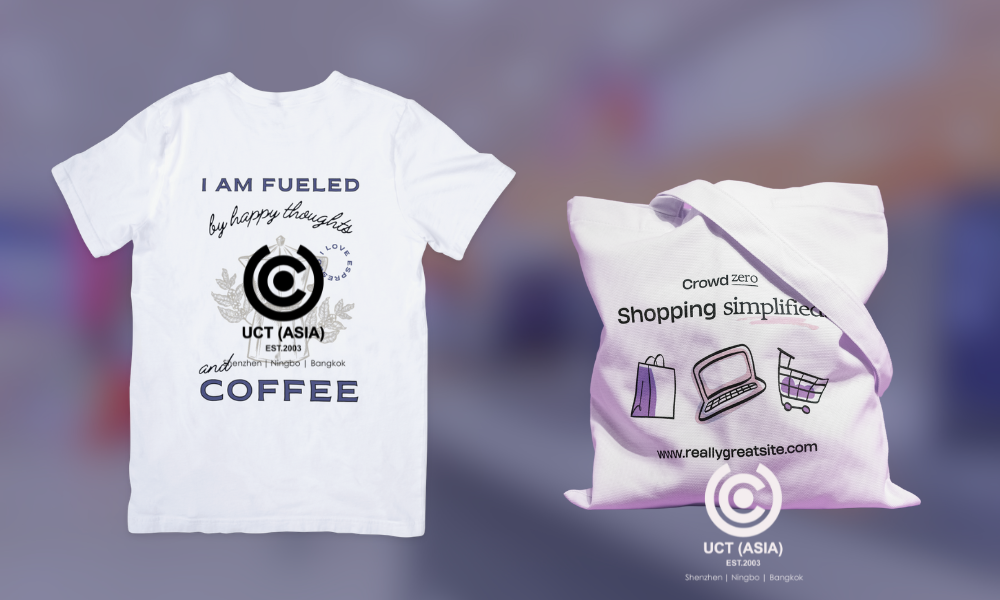
Personalized merchandise reshapes how people interact with brands by turning everyday items into identity markers, and that shift produces measurable business outcomes because consumers respond more strongly to products that reflect who they are, what they value, and how they want to be seen; research shows that over 70% of consumers expect some level of personalization while a significant portion is willing to pay more for customized products, which means every branded item can function as both a utility and a psychological touchpoint that reinforces loyalty and recall, so instead of viewing merchandise as simple giveaways, treat it as a strategic layer in your marketing ecosystem where each product carries a narrative, a memory, or a personal signal that strengthens connection and extends brand presence into daily life.
1. T-shirts
T-Shirts as Identity Amplifiers: A personalized T-shirt moves beyond apparel and becomes a wearable statement that communicates belonging, humor, or affiliation; when you integrate custom graphics, names, or event-specific messaging, you transform a low-cost item into a mobile branding surface that increases impressions organically, and compared to generic shirts, customized versions generate stronger emotional attachment because the wearer feels ownership rather than passive association, which directly improves retention and repeat engagement in campaigns such as community events, product launches, or internal company culture initiatives.
2. Custom Mugs
Custom Mugs for Daily Brand Reinforcement: A mug sits at the intersection of routine and visibility since people use it multiple times a day, and adding personalization such as names, inside jokes, or milestone dates creates a micro-experience that repeats daily, reinforcing brand recall through habitual exposure; behavioral studies indicate that repeated interaction with branded objects increases familiarity and trust, so a personalized mug quietly builds long-term affinity while also functioning as a practical gift that rarely gets discarded.
3. Custom Tote Bags
Tote Bags as Mobile Billboards: Unlike many promotional items, tote bags travel, they appear in grocery stores, offices, gyms, and public transport, and when customized with names, artistic designs, or meaningful visuals, they become part of a person’s lifestyle rather than a disposable item; this integration into daily routines extends brand visibility across multiple environments while also signaling sustainability and practicality, which strengthens brand perception among environmentally conscious audiences.
4. Hoodies
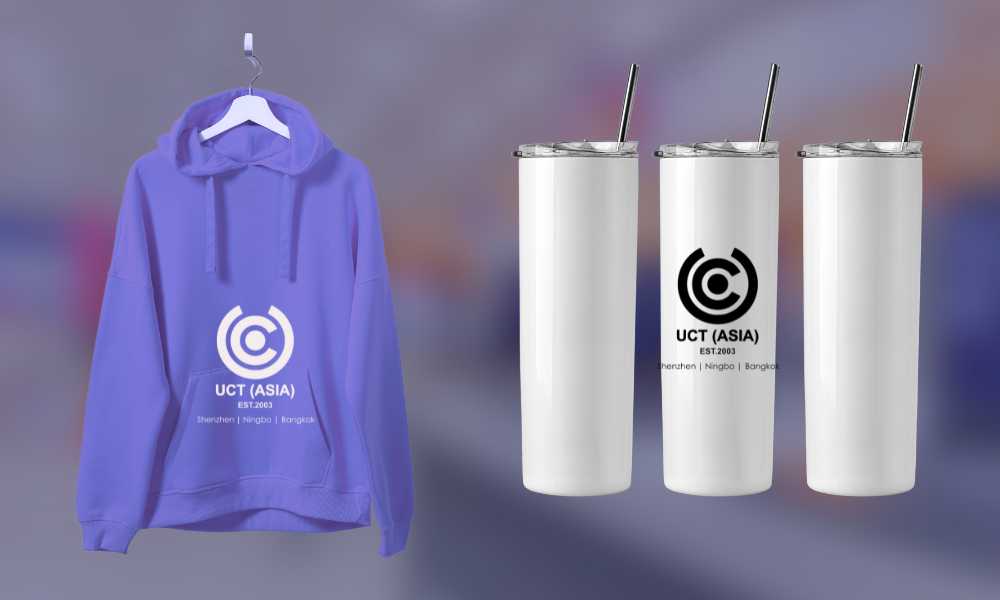
Hoodies for Premium Perceived Value: Hoodies carry a higher perceived value than lighter apparel, and when personalized, they create a sense of exclusivity that elevates the entire brand experience; adding custom embroidery, limited-edition drops, or event-specific designs taps into scarcity psychology, which increases desirability and encourages social sharing, especially in communities where fashion overlaps with identity expression.
5. Caps
Caps for Broad Demographic Reach: Caps work across age groups, professions, and styles, which makes them one of the most adaptable merchandise categories, and when you personalize them with subtle branding or individual customization, they strike a balance between usability and promotion; their relatively low production cost combined with high visibility creates a strong return on investment, particularly in outdoor events, sports campaigns, and employee branding programs.
6. Insulated Tumblers
Insulated Tumblers for Functional Loyalty: A personalized insulated tumbler delivers utility through temperature retention while also acting as a constant companion throughout the day, and when you add customization such as names or motivational phrases, you increase the likelihood that the user keeps it long-term, which extends brand exposure; products that combine high functionality with personalization tend to generate stronger attachment because they solve practical needs while also reflecting personal identity.
7. Phone Cases and Tech Accessories
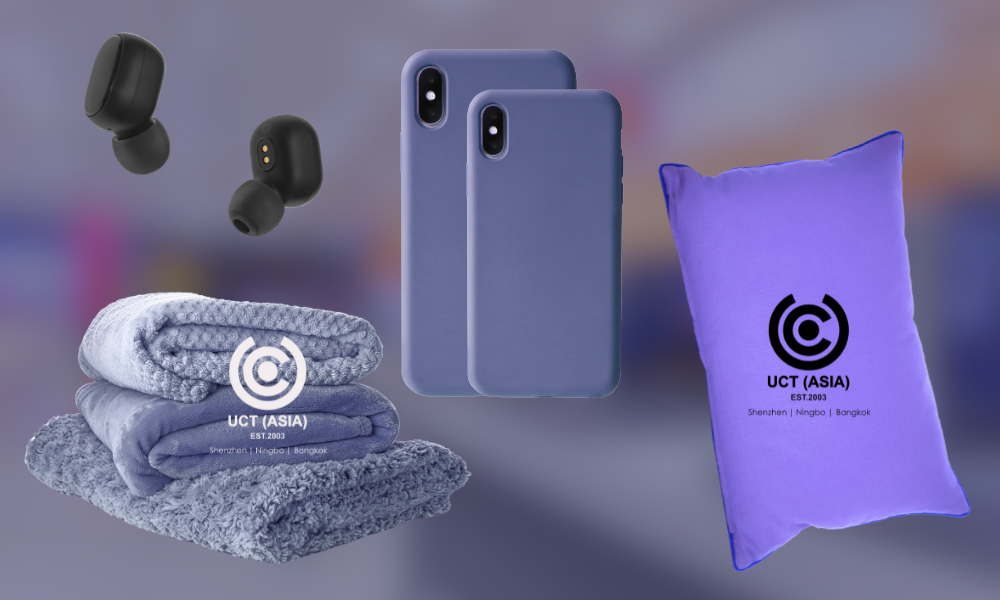
Phone Cases and Tech Accessories for High Visibility: Smartphones rarely leave a person’s hand, which makes phone cases one of the most visible personalization opportunities available; customizing them with unique designs or personal imagery turns a simple accessory into a daily identity signal, and when paired with other tech accessories like laptop sleeves or mouse pads, you create a cohesive ecosystem of branded items that surround the user in both personal and professional settings, increasing touchpoints and reinforcing brand familiarity.
8. Blankets and Pillows
Blankets and Pillows for Emotional Connection: Home-based personalized items operate on a different psychological level because they connect with comfort, memory, and intimacy; adding photos, meaningful dates, or custom artwork transforms these products into emotionally significant objects, and emotional attachment plays a direct role in brand loyalty since people associate the positive feelings generated by the product with the brand itself, making these items particularly effective for milestone gifts and relationship-driven marketing strategies.
9. Personalized Stationery
Personalized Stationery for Self-Expression: Stationery allows individuals to express style in a subtle but consistent way, and when customized with monograms, illustrations, or tailored designs, it becomes a reflection of personality and professionalism; this category performs especially well in events like weddings, corporate meetings, or academic settings where identity and presentation matter, and the tactile nature of stationery adds a sensory dimension that digital interactions lack.
10. Kitchen Sets
Kitchen Sets for Everyday Integration: Personalized kitchen items integrate directly into daily routines, from cooking to hosting, and when branded with names or messages, they become part of shared experiences within households; this repeated exposure in a social context amplifies brand presence while also associating it with moments of connection and enjoyment, which strengthens emotional resonance over time.
Ready to turn ordinary products into unforgettable brand experiences?
When you compare generic merchandise to personalized alternatives, the difference becomes clear because one exists as a passive object while the other becomes an active part of someone’s identity and daily behavior, and that shift drives measurable outcomes such as increased engagement, stronger recall, and higher lifetime value, so instead of asking which product to choose, ask how each item can tell a story, reinforce a relationship, or create a repeated interaction that keeps your brand relevant; the real advantage emerges when personalization aligns with context, audience, and purpose, turning simple items into strategic assets that move beyond promotion and into experience design, and if you are ready to transform everyday products into meaningful brand touchpoints that people actually use, explore how personalized merchandise solutions can elevate your strategy and guide your audience directly back to your homepage for deeper engagement and conversion.