
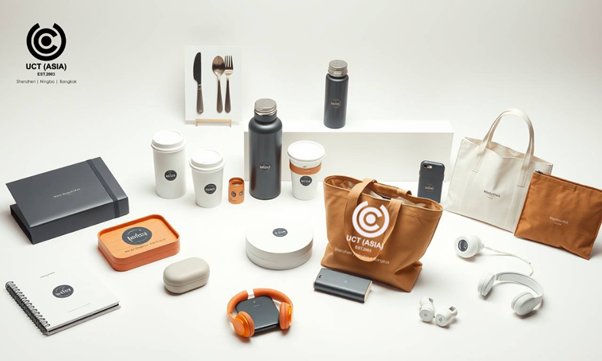
Every business wants the same thing. Customers who come back again and again. Buyers who choose their products without hesitation. Shoppers who feel a genuine connection to what they sell. But in a crowded marketplace where competitors shout for attention from every direction, how do you build that kind of loyalty? The answer might be simpler than you think. It starts with a logo and extends through every piece of merchandise that carries your brand mark.
Most business owners understand that branding matters. They know logos help people recognize their company. But fewer understand the psychology behind why logos on merchandise create such powerful bonds with customers. This is not simply about putting your name on a pen or a tote bag. This is about creating tangible touchpoints that keep your brand present in the daily lives of the people you want to reach.
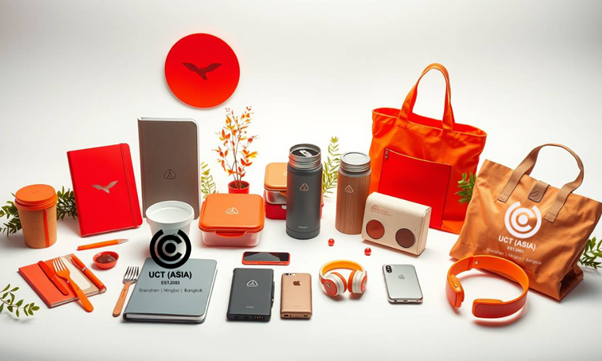
The Science Behind Logo Recognition
When you see the bitten apple of Apple, the swoosh of Nike, or the distinctive script of Coca-Cola, something happens in your brain before you consciously think about it. Studies in neuroscience show that familiar logos trigger immediate emotional responses. Your brain processes these visual cues faster than text. Within milliseconds, you form associations about quality, trust, and value based solely on the logo you see.
This phenomenon works because of how human memory functions. We are visual creatures by nature. Our ancestors survived by recognizing patterns in their environment. A distinctive shape or color meant the difference between finding food and going hungry, between safety and danger. That evolutionary heritage means our brains are wired to remember visual symbols far more effectively than words or abstract concepts.
When your logo appears on merchandise that customers use regularly, you tap into this powerful memory system. A coffee mug with your logo sits on a desk and enters a customer’s field of vision dozens of times each day. A branded notebook gets pulled out in meetings where colleagues notice it. A promotional bag carries groceries through the neighborhood where neighbors see it. Each of these moments reinforces your brand in the customer’s mind without requiring any effort from them.
Research from the promotional products industry reveals how powerful this effect can be. Studies consistently show that promotional products generate more favorable impressions than any other form of advertising. When consumers receive a branded item they find useful, they develop positive associations with the company that provided it. These associations translate into tangible business results. Recipients of promotional merchandise demonstrate higher brand recall, more favorable brand attitudes, and increased likelihood of making purchases compared to those exposed only to traditional advertising.
Understanding the 82 Percent Advantage
One statistic deserves particular attention because it illustrates the effectiveness of branded merchandise so clearly. Industry research indicates that 82 percent of consumers report having a more favorable impression of a brand after receiving promotional products. This is not a marginal improvement. This is a dramatic shift in perception that can fundamentally change how potential customers view your business.
Consider what this means in practical terms. If you hand out branded merchandise at a trade show, eight out of ten people who receive your items will feel better about your company afterward. Compare this to the typical response to banner ads or television commercials, where consumers often feel annoyed rather than impressed. The difference is stark.
This favorable impression translates directly into business outcomes. When customers feel positively toward a brand, they are more likely to consider purchasing from that brand when they need products or services in that category. They are more likely to recommend the brand to friends and family. They are more willing to pay premium prices because they perceive greater value. The 82 percent favorable impression statistic is not just a feel-good metric. It is a predictor of revenue growth.
The mechanism behind this effect is psychological reciprocity. When someone gives us something useful, we feel a natural urge to give something back. This is deeply rooted in human social behavior. Branded merchandise triggers this response even in commercial contexts. When you give a customer a quality item with your logo, they feel a subtle obligation to reciprocate through their business, their attention, or their recommendations.
Why Logos on Merchandise Outperform Other Advertising
Traditional advertising has a fundamental limitation. It interrupts. Whether it is a television commercial cutting into a program, a popup blocking website content, or a billboard demanding attention during a commute, traditional ads force themselves into the consumer’s awareness. This creates resistance. People install ad blockers. They skip commercials. They train themselves to ignore banner advertisements.
Branded merchandise works differently. When your logo appears on a useful item, it becomes part of the consumer’s environment rather than an interruption. The branded pen helps them write notes. The promotional bag carries their belongings. The custom water bottle keeps them hydrated. In each case, the branded item provides value first. The logo is secondary, a gentle reminder rather than a demanding shout.
This difference in approach creates a dramatic difference in reception. Studies examining advertising effectiveness consistently show that promotional products remain in use for extended periods. A quality promotional bag might be used weekly for years. A good pen might be carried daily for months. Each use represents another exposure to your brand. When you calculate the cost per impression, branded merchandise often proves more economical than digital advertising while generating better emotional responses.
The longevity factor matters enormously. A single television commercial airs once and disappears. A digital advertisement displays for seconds before being scrolled past. But promotional products continue working for your brand long after the initial distribution. Research shows that many consumers keep promotional products for more than a year, with some items remaining in use for five years or longer. During that entire time, your logo continues building brand awareness and reinforcing positive associations.
The Psychology of Logo Design
Not all logos are created equal. Some logos seem to stick in memory effortlessly while others fade into obscurity. Understanding what makes logos effective can help you maximize the impact of your branded merchandise.
Color choice plays a crucial role in logo psychology. Research into color meanings shows that different colors trigger specific emotional responses. Red conveys energy, passion, and urgency. Blue suggests trust, stability, and professionalism. Green connects to nature, growth, and health. Yellow radiates optimism and friendliness. Purple suggests luxury and creativity. Orange combines the energy of red with the cheerfulness of yellow.
When selecting colors for your logo, consider what emotions you want to trigger in your target audience. A financial services company might choose blue to emphasize trustworthiness. An organic food brand might select green to highlight natural ingredients. A fitness company might use orange or red to convey energy and motivation. The colors you choose will influence how consumers feel about your brand every time they see your logo on merchandise.
Shape and form also carry psychological weight. Circular shapes tend to feel friendly and approachable. Angular shapes suggest precision and professionalism. Organic shapes connect to nature and authenticity. The specific forms in your logo communicate subtle messages about your brand personality before a single word is read.
Simplicity consistently proves most effective for logo design. The most recognizable logos in the world share one characteristic. They are remarkably simple. The Nike swoosh is a single curved line. The Apple logo is a simple silhouette. The McDonald’s golden arches form an abstract M. Simple logos are easier to remember and reproduce at various sizes. They remain legible when embroidered on small items or printed on large banners. They translate well across different media and merchandise types.
How Logo Merchandise Builds Customer Loyalty
Customer loyalty represents one of the most valuable assets any business can develop. Loyal customers make repeat purchases without requiring expensive marketing campaigns. They become advocates who bring in new customers through word of mouth. They are more forgiving when things go wrong and more willing to try new products from brands they trust. Building this loyalty requires more than good products and competitive prices. It requires emotional connection.
Logo merchandise creates emotional connection through repeated positive exposure. Every time a customer uses a branded item, they have a small positive experience associated with your logo. The coffee mug that starts their morning. The notebook that helps them organize their thoughts. The bag that carries their essentials. These daily interactions build familiarity and comfort. Over time, customers begin to feel that your brand is part of their routine, part of their life.
This effect is particularly powerful because it operates below the level of conscious awareness. Customers do not think to themselves, “I like this company because they gave me a pen.” Instead, they simply find themselves feeling more positively about the brand without knowing exactly why. This unconscious positive bias influences their purchasing decisions without triggering the resistance that comes from obvious advertising.
Consistency strengthens this loyalty effect. When your logo appears consistently across all merchandise and marketing materials, it reinforces brand recognition. Customers learn to associate your specific logo with specific qualities. Inconsistent branding creates confusion and dilutes these associations. Every piece of merchandise should display the same logo, same colors, same positioning. This consistency builds trust by signaling that your brand is reliable and professional.
The Role of Quality in Branded Merchandise
The quality of your merchandise directly affects how customers perceive your brand. A cheap pen that breaks after one use creates negative associations. A sturdy bag that lasts for years creates positive ones. When you put your logo on an item, that item becomes a representative of your brand. Its quality reflects on your company’s quality.
This principle guides successful branded merchandise strategies. Companies that invest in high-quality promotional items see better returns than those that focus solely on minimizing costs. A quality item stays in use longer, generating more impressions over time. It creates better feelings in the recipient. It positions your brand as premium rather than bargain basement.
Consider the example of premium drinkware. A high-quality branded water bottle or travel mug might cost significantly more than a disposable plastic cup. But that bottle travels with the customer to the gym, to work, on vacation. It sits visible on desks and in car cup holders. It might generate thousands of impressions over its lifetime. When calculated on a cost-per-impression basis, the premium item often proves more economical than the cheap alternative while building better brand perception.
Quality also affects the recipient’s willingness to use the item publicly. A stylish branded bag gets carried proudly through busy streets. An embarrassing promotional item gets hidden in a drawer. If you want your logo to travel and be seen, invest in merchandise that people actually want to use.
Real-World Examples of Logo Power
The world’s most successful companies understand the power of logo merchandise. They invest billions of dollars putting their logos on products because they know it works. Examining their strategies provides valuable lessons for businesses of any size.
Apple’s logo strategy demonstrates the power of simplicity and consistency. The bitten apple appears on every product, every package, every piece of marketing material. When you buy an Apple product, you are not just buying technology. You are buying membership in a community signaled by that logo. Apple merchandise, from t-shirts to stickers, extends this community beyond the devices themselves. Fans proudly display Apple logos on their cars, their laptops, their clothing. The logo has become a badge of identity.
Nike’s swoosh illustrates how a simple logo can convey motion and energy. The curved line suggests forward movement, appropriate for a brand focused on athletic performance. Nike puts this logo on everything from professional sports equipment to casual streetwear. The consistency of the logo across all these products means that consumers immediately recognize Nike quality and style whatever the specific item might be. The swoosh on a pair of running shoes means the same thing as the swoosh on a hoodie or a water bottle.
Coca-Cola’s script logo shows the value of distinctive typography. The flowing letters are instantly recognizable even in red and white colors that many other brands use. Coca-Cola merchandise carrying this logo connects the brand to happiness and refreshment. A Coca-Cola branded cooler at a picnic or a Coca-Cola hat at a sporting event reinforces these associations in contexts where people are already feeling positive emotions.
These examples share common elements. Simple, memorable logos. Consistent application across all merchandise. Emotional associations that extend beyond the products themselves. Quality items that people want to use and display. Any business can apply these principles regardless of size or budget.
The Connection Between Logos and Brand Values
Your logo does more than identify your company. It communicates what your company stands for. The design choices you make send signals about your values, your personality, and your positioning in the market. When this logo appears on merchandise, those signals travel with it.
Consider how different logo styles communicate different values. A minimalist, modern logo suggests innovation and forward thinking. A vintage-inspired logo suggests tradition and craftsmanship. A playful, colorful logo suggests accessibility and fun. A sophisticated, monochrome logo suggests luxury and exclusivity. These impressions form instantly when someone sees your logo, influencing whether they feel your brand aligns with their own values and identity.
Sustainability provides a current example of how logos communicate values. Many companies now incorporate eco-friendly design elements into their logos or choose green color schemes to signal environmental commitment. When these logos appear on reusable merchandise like water bottles or shopping bags, the message reinforces itself. The sustainable product carries the sustainability-focused logo, creating coherent brand storytelling that resonates with environmentally conscious consumers.
Your merchandise choices also communicate values. Choosing sustainable materials for branded items signals environmental responsibility. Selecting locally manufactured merchandise supports community values. Opting for high-quality, long-lasting items signals that you value durability over disposability. Each of these choices should align with the values communicated by your logo design, creating consistent messaging across every customer touchpoint.
Calculating the Return on Investment
Business decisions ultimately come down to numbers. Marketing investments must generate returns that justify their costs. The good news for branded merchandise is that the returns consistently exceed the costs when strategies are executed thoughtfully.
Measuring the return on investment for branded merchandise requires looking beyond immediate sales. While promotional items can certainly drive direct purchases, their value extends to brand awareness, customer retention, and word-of-mouth marketing. Each of these factors contributes to revenue even when the connection is not immediately obvious.
Brand awareness has measurable value. When more people know your brand, your marketing becomes more efficient. Advertising reaches people who already know who you are. Sales conversations start from a position of familiarity rather than from zero. Research shows that branded merchandise significantly increases brand recall compared to other marketing methods. Customers who receive promotional products remember the brand at rates far exceeding those who see only traditional advertisements.
Customer retention delivers some of the highest returns in business. Keeping an existing customer costs significantly less than acquiring a new one. Branded merchandise contributes to retention by strengthening the emotional bonds that keep customers coming back. A customer who uses your branded items regularly develops habits and associations that make switching to competitors feel like a loss.
Word of mouth represents another valuable return. When customers use your branded merchandise in public, they become walking advertisements. When they lend a branded pen or recommend your services to a friend, the promotional items facilitate these recommendations. Studies show that consumers trust recommendations from friends and family far more than any form of paid advertising. Branded merchandise helps turn your customers into advocates.
Implementing an Effective Logo Merchandise Strategy
Success with branded merchandise requires more than simply putting your logo on random items. An effective strategy aligns merchandise choices with business goals, target audience preferences, and brand positioning.
Start by defining what you want to achieve. Are you looking to increase brand awareness among new audiences? Strengthen loyalty among existing customers? Reward employees and build internal culture? Generate leads at trade shows? Each goal suggests different merchandise choices and distribution strategies.
Understanding your audience guides product selection. Corporate clients might appreciate premium items like leather portfolios or high-end tech accessories. Young consumers might prefer trendy items like phone accessories or eco-friendly tote bags. Fitness enthusiasts would use branded water bottles or gym bags. The best promotional product is one that your specific audience will actually use regularly.
Quality should always take priority over quantity. A smaller number of high-quality items generates better returns than masses of cheap products that break quickly or get thrown away. Invest in items that reflect well on your brand and that recipients will keep and use for extended periods.
Distribution strategy matters as much as product selection. Handing items out randomly rarely generates optimal results. Instead, target your distribution to moments when recipients will most appreciate and use the items. Welcome gifts for new customers create positive first impressions. Rewards for loyal customers strengthen existing relationships. Trade show giveaways attract prospects who have already shown interest in your industry. Employee gifts build internal brand advocates.
Consistency across all branded materials reinforces recognition. Use the same logo version, same colors, same positioning on every item. This consistency builds the strong brand recognition that makes future marketing more effective.
The Future of Logo Merchandise
The promotional products industry continues evolving as consumer preferences and technology change. Understanding emerging trends helps businesses stay ahead and maximize the effectiveness of their branded merchandise investments.
Sustainability represents the most significant trend shaping the industry. Consumers increasingly prefer eco-friendly products and view brands more favorably when they demonstrate environmental responsibility. This shift affects both merchandise choices and logo design. Recycled materials, reusable products, and sustainable manufacturing processes are becoming standard expectations rather than premium options. Logos that incorporate green elements or sustainability messaging resonate strongly with these consumer values.
Technology integration opens new possibilities for branded merchandise. QR codes on promotional items can connect physical products to digital experiences. NFC chips enable interactive features. These technologies extend the utility of traditional merchandise while creating opportunities for data collection and customer engagement.
Personalization is becoming more accessible and expected. Advances in digital printing and manufacturing make it economical to customize merchandise for individual recipients. Adding a customer’s name to a branded item increases its perceived value and the likelihood that it will be kept and used. Personalized merchandise creates stronger emotional connections than generic alternatives.
Quality continues rising in importance as consumers become more selective about what they keep. In an age of decluttering and minimalism, only useful, attractive items earn permanent space in homes and offices. This trend rewards investment in premium merchandise and thoughtful design.
The fundamentals remain constant despite these trends. A well-designed logo on quality merchandise creates lasting positive impressions. Consistent branding builds recognition and trust. Useful items generate ongoing exposure. Emotional connections drive loyalty. These principles have worked for decades and will continue working regardless of how specific trends evolve.
Putting It All Together
The power of logo merchandise to transform customer loyalty is not theoretical. It is demonstrated daily by successful companies around the world. The mechanism is straightforward even if the psychology behind it is complex. Useful branded items create positive experiences. Repeated positive experiences build familiarity. Familiarity breeds comfort and trust. Trust creates loyalty.
This process happens gradually. A customer receives a branded pen at a conference. They use it for weeks, enjoying its smooth writing. They notice your logo each time they pick it up. When they need services in your category, your name comes to mind more readily than competitors they have not encountered. They visit your website and make a purchase. The pen did not directly cause the sale, but it contributed to the conditions that made the sale possible.
Multiply this scenario across hundreds or thousands of customers receiving various branded items. The cumulative effect on brand awareness and customer loyalty becomes substantial. Research consistently shows that promotional products outperform other marketing methods in creating favorable impressions, driving brand recall, and generating return on investment.
For businesses looking to build lasting customer relationships, logo merchandise represents one of the most effective tools available. The key is execution. Invest in quality. Design with purpose. Distribute strategically. Maintain consistency. When these elements come together, your logo becomes more than a symbol. It becomes a daily presence in your customers’ lives, a constant reminder of the value you provide, and a powerful driver of the loyalty that sustains successful businesses.
The marketplace will only grow more competitive. Attention will only become scarcer. In this environment, the brands that win will be those that find ways to become part of their customers’ daily experience. Logo merchandise offers exactly that opportunity. It turns customers into carriers of your brand message, integrating your logo into the routines and environments where purchasing decisions are made. The transformation from stranger to loyal customer often starts with something as simple as a quality item bearing a well-designed logo.