
The Rise of Personalized Merchandise: How Customization is Changing Consumer Culture [2026 Guide]
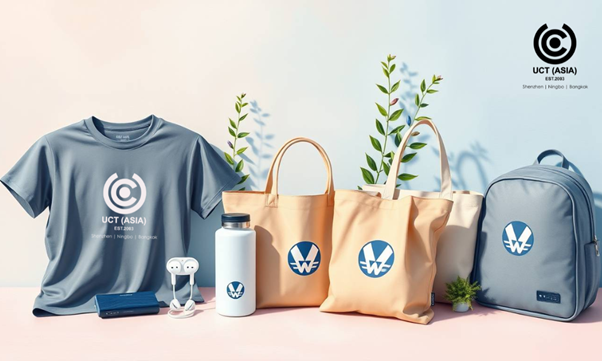
The statistics tell a compelling story: 51% of Gen Z consumers and 46% of Millennials actively prefer personalized gifts over generic alternatives[^1^]. What started as a novelty—engraved pens and monogrammed towels—has evolved into a fundamental shift in how brands connect with their audiences.
In a marketplace flooded with mass-produced goods, personalization cuts through the noise. It transforms ordinary merchandise into meaningful connections, standard products into cherished possessions, and one-time buyers into loyal advocates.
This guide unpacks the personalization revolution. You’ll discover the psychology driving demand, explore real-world campaigns that broke records, and learn exactly how to implement personalization strategies that deliver measurable ROI for your business.
What Is Personalized Merchandise? Definitions and Examples
Personalized merchandise refers to products customized with individual names, messages, images, or designs that transform mass-produced items into one-of-a-kind possessions.
Types of Personalization
Text-Based Personalization
The most common form includes names, initials, quotes, or meaningful dates. Think Coca-Cola bottles bearing first names or notebooks embossed with company mottos. Simple, effective, and universally appealing.
Image and Photo Personalization
Customers upload their own photos for printing on mugs, phone cases, apparel, and wall art. This category has exploded with print-on-demand technology making it accessible at scale.
Custom Design Configuration
Advanced platforms let customers modify colors, materials, and design elements. Nike By You allows sneaker customization from sole to laces, while t-shirt configurators enable real-time design adjustments.
Smart Personalization
Emerging technologies use AI to generate unique designs based on user preferences, browsing history, or data inputs. Spotify Wrapped generates entirely personalized content summaries that users eagerly share across social platforms.
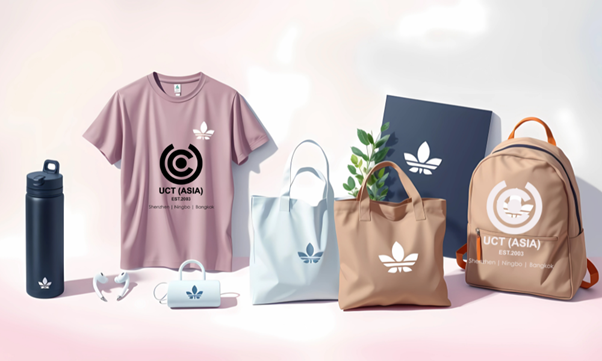
The Data Behind the Personalization Trend
| Generation | Preference for Personalized Gifts |
|---|---|
| Gen Z | 51% |
| Millennials | 46% |
| Gen X | 33% |
| Baby Boomers | 22% |
Younger consumers don’t just prefer personalization—they expect it. Growing up with algorithms that curate their music, recommend their shows, and suggest their purchases, Gen Z and Millennials view customization as standard, not special.
Market Growth Indicators
The personalized merchandise market represents a significant and growing segment of the broader promotional products industry, valued at over $25 billion globally[^2^]. Within this ecosystem, personalized gifts and custom corporate merchandise are experiencing accelerated growth as businesses recognize their power to differentiate brands and build lasting customer relationships.
The music merchandise sector alone—a key personalization category—exceeds $3 billion annually, with festivals and tours driving over 40% of sales through limited-edition personalized items[^3^].
Why Personalization Works: The Psychology Behind the Trend
The Endowment Effect
People value things they feel ownership over significantly more than identical items they don’t. A water bottle with your name isn’t just a bottle it’s your bottle. Psychologists call this the endowment effect, and it explains why personalized items command higher perceived value and are retained longer than generic alternatives.
The Exclusivity Premium
In an era of mass production, uniqueness feels luxurious. When everything is available to everyone, something made specifically for you becomes precious. Personalized merchandise taps into this desire for distinction, allowing customers to express individuality while affiliating with brands.
The Gift-Giving Solution
“What do you get someone who has everything?” Personalization answers this perennial question. A custom-engraved watch or photo-printed calendar demonstrates thought and effort that generic gifts cannot match. Research shows gift recipients value personalized items more highly and remember the giver longer[^4^].
Emotional Brand Connection
When a brand personalizes an experience, customers feel seen and understood. This emotional resonance translates directly into loyalty. 71% of consumers expect personalization from brands they interact with, and 76% become frustrated when they don’t receive it[^5^].
Real-World Success Stories: Campaigns That Proved the Power of Personalization
Coca-Cola: Share a Coke
In 2011, Coca-Cola launched one of the most successful personalization campaigns in marketing history. The concept was elegantly simple: replace the iconic Coca-Cola logo with popular first names on bottles and cans.
The Results:
- Sales increased by 2.5% in the U.S. market after a decade of decline
- Over 500,000 photos shared on social media using the #ShareaCoke hashtag
- Campaign expanded to 80 countries and multiple languages
- Young adult consumption increased by 7%[^6^]
The genius lay in transforming a mass-produced commodity into millions of unique, shareable products. Each named bottle became a personal invitation to engage with the brand.
Nike By You (formerly NikeID)
Nike recognized early that customization wasn’t just a feature—it was a business model. Their By You platform allows customers to design their own sneakers, selecting everything from base materials to accent colors to personalized text.
Key Outcomes:
- Premium pricing: Custom sneakers command 30-50% higher prices than standard models
- Extended engagement: Customers spend significantly longer on customization pages than standard product pages
- Reduced returns: Personalized products see lower return rates because customers are emotionally invested in their designs
- Viral sharing: Users share their designs on social media, generating organic marketing[^7^]
Spotify Wrapped
While not physical merchandise, Spotify Wrapped demonstrates personalization’s viral potential. Each December, Spotify generates personalized listening summaries for every user, packaged in shareable graphics highlighting top artists, genres, and listening minutes.
The Impact:
- Millions of organic social shares annually
- Zero advertising spend—users become the marketing channel
- Reinforces brand loyalty through data-driven personal storytelling
- Creates annual anticipation and FOMO for non-users[^8^]
Technology Enabling Mass Personalization
AI-Powered Design Tools
Artificial intelligence now assists the personalization process, suggesting designs based on user preferences, automating layout adjustments, and even generating unique artwork. These tools reduce the design expertise required while expanding creative possibilities.
3D Printing and On-Demand Manufacturing
Traditional manufacturing required large minimum orders and long lead times. 3D printing and digital printing technologies enable true on-demand production single items manufactured only after an order is placed. This eliminates inventory risk and makes personalization economically viable for small businesses.
Real-Time Configurators
Web-based customization platforms let customers visualize their personalized products in real-time. Color changes, text additions, and image uploads render instantly, giving immediate feedback and increasing purchase confidence.
Print-on-Demand Integration
Seamless connections between e-commerce platforms and print-on-demand providers mean businesses can offer extensive personalization catalogs without managing production, inventory, or shipping. This democratizes access to professional-grade customization.
Business Benefits and ROI: What the Data Shows
Revenue Impact
McKinsey research demonstrates that personalization delivers measurable financial returns[^5^]:
- 5-15% revenue increase for companies implementing personalization strategies
- 10-30% marketing spend efficiency gains through targeted messaging
n- Higher average order values for personalized product categories
Customer Retention and Loyalty
Personalized experiences create stickier customer relationships:
- Customers receiving personalized recommendations are more likely to repurchase
- Personalized email campaigns achieve higher open and click-through rates
- Custom products generate word-of-mouth referrals as recipients showcase their unique items
Competitive Differentiation
In saturated markets, personalization becomes a competitive weapon. When competitors offer similar products at similar prices, the ability to customize creates clear differentiation and justifies premium positioning.
How to Implement Personalization in Your Business: A Step-by-Step Guide
Pre-Implementation Checklist
Before launching personalization offerings, work through these foundational steps:
1. Define Your Goals
- Increase average order value?
- Improve customer retention?
- Differentiate from competitors?
- Enter new market segments?
2. Choose Your Product Categories
Start with items that are:
- Frequently purchased (higher personalization volume)
- Emotionally significant (gifts, commemoratives)
- Visually customizable (apparel, drinkware, accessories)
3. Select Personalization Methods
Match methods to your products and customer expectations (see comparison table below).
4. Find Reliable Manufacturing Partners
Evaluate suppliers on:
- Quality consistency
- Turnaround times
- Minimum order quantities
- Technology capabilities
- Geographic proximity (for shipping speed)
5. Develop Design Templates
Create pre-approved personalization zones and design guidelines to ensure brand consistency while enabling customer creativity.
6. Implement Quality Control
Establish proofing processes, especially for text personalization where typos can ruin entire production runs.
7. Set Up Analytics
Track which personalization options customers choose most, conversion rates for personalized vs. standard products, and customer satisfaction scores.
Budget Considerations
Personalization investments typically include:
- Technology: Configurator platforms, design tools, e-commerce integrations
- Equipment: Depending on methods (printers, engravers, embroidery machines)
- Training: Staff education on design software and quality standards
- Inventory: Blank products ready for customization
Start small with one product category and expand based on demand and learning.
Personalization Methods Compared
Choose the right technique based on your product type, budget, and quality requirements:
| Method | Best For | Cost Level | Production Speed | Durability | Best Feature |
|---|---|---|---|---|---|
| Screen Printing | Bulk apparel, simple designs | Low | Fast | High | Cost-effective for volume |
| Embroidery | Premium apparel, corporate gifts | Medium | Medium | Very High | Professional, tactile quality |
| Laser Engraving | Metal, wood, glass items | Medium | Fast | Very High | Permanent, precise detail |
| Digital/Direct-to-Garment | Complex images, photos | Low–Medium | Fast | Medium | Full-color detail |
| Sublimation | Polyester apparel, mugs | Low | Fast | High | All-over printing capability |
| 3D Printing | Unique shapes, prototypes | High | Slow | High | Unlimited form possibilities |
| Debossing/Embossing | Leather, premium materials | Medium–High | Medium | Very High | Tactile luxury feel |
Selection Guidance:
- High-volume, cost-conscious: Screen printing or digital
- Premium positioning: Embroidery or debossing
- Photo-realistic images: Digital printing or sublimation
- Industrial durability: Laser engraving
- Maximum uniqueness: 3D printing
Common Mistakes to Avoid
Overwhelming Customers with Options
The paradox of choice is real. Offering too many personalization options can paralyze decision-making and increase cart abandonment. Start with 3-5 popular options and expand based on demand data.
Neglecting Quality Control
A misspelled name or misaligned image destroys the personalization value proposition. Implement automated proofing, manual review for complex orders, and clear customer approval processes.
Ignoring Data Privacy
Personalization requires customer data. Be transparent about data collection, secure personal information properly, and comply with GDPR, CCPA, and other privacy regulations.
Underestimating Production Complexity
Personalization adds production steps, quality checks, and potential error points. Build realistic timelines and buffer capacity for peak periods (holidays, event seasons).
Treating Personalization as an Afterthought
The most successful personalization strategies are designed into products from conception, not bolted on later. Consider personalization opportunities during product development.
Frequently Asked Questions
Q: What is personalized merchandise?
Personalized merchandise refers to products customized with individual names, messages, images, or designs, transforming standard items into unique possessions that reflect personal identity or commemorate special occasions.
Q: Why do customers prefer personalized products?
Personalization taps into psychological drivers including the endowment effect (ownership increases value perception), desire for uniqueness in a mass-produced world, and the emotional resonance of receiving something made specifically for you.
Q: Which generation buys the most personalized merchandise?
Gen Z leads with 51% preferring personalized gifts, followed by Millennials at 46%. Younger consumers have grown up with algorithmic personalization and view customization as standard rather than exceptional[^1^].
Q: How much does personalized merchandise cost compared to standard products?
Personalized products typically command 20-50% premiums over non-customized equivalents, depending on complexity. However, customers perceive significantly higher value, often making personalized items more profitable despite additional production costs.
Q: What products work best for personalization?
Apparel, drinkware, tech accessories, office supplies, and gift items perform particularly well. The best candidates are products people use regularly, gift frequently, or attach emotional significance to.
Q: How does personalization increase brand loyalty?
Personalized experiences make customers feel understood and valued. When brands demonstrate they “know” customers through tailored offerings, emotional connections strengthen, repeat purchase rates increase, and customers become brand advocates.
Q: What is the typical ROI of offering personalized products?
McKinsey research shows companies implementing personalization strategies achieve 5-15% revenue increases and 10-30% marketing efficiency improvements[^5^]. Individual product margins on personalized items typically exceed standard products by 20-40%.
Q: What technology is used for merchandise personalization?
Key technologies include digital printing, laser engraving, embroidery machines, 3D printing, web-based configurators, and AI-powered design tools. The appropriate technology depends on product type, volume, and quality requirements.
Q: How long does personalized merchandise production take?
Timeframes vary by method and complexity: digital printing (1-3 days), embroidery (2-5 days), laser engraving (1-4 days), 3D printing (3-10 days). Rush services are available from many providers for premium fees.
Q: What are examples of successful personalization campaigns?
Notable examples include Coca-Cola’s “Share a Coke” campaign (increased U.S. sales by 2.5%), Nike By You (custom sneaker platform), and Spotify Wrapped (annual personalized listening summaries generating millions of organic shares)[^6^][^7^][^8^].
Q: Can small businesses offer personalized merchandise?
Absolutely. Print-on-demand services and dropshipping partnerships eliminate minimum order requirements and inventory investments. Small businesses can offer extensive personalization catalogs without production equipment or warehousing.
Q: How do I choose a personalization supplier?
Evaluate potential partners on quality consistency, production capacity, technology capabilities, turnaround times, minimum order quantities, pricing structure, geographic location (affects shipping), and customer service responsiveness.
Key Terms Glossary
Configurators: Web-based tools allowing customers to customize products in real-time, visualizing changes before purchase.
Digital Printing: Direct-to-surface printing technology enabling full-color, photo-quality customization without setup costs or minimum orders.
Dropshipping: Fulfillment model where products ship directly from manufacturer to customer, eliminating inventory requirements for sellers.
Embossing/Debossing: Techniques creating raised (embossing) or recessed (debossing) designs in materials like leather and paper.
Endowment Effect: Psychological phenomenon where people ascribe more value to things simply because they own them.
Laser Engraving: Permanent marking technique using focused light beams to etch designs into metal, wood, glass, and other materials.
Mass Customization: Producing goods and services to meet individual customers’ needs with near mass production efficiency.
Mockup: Digital representation showing how a personalized design will appear on the final product.
Print-on-Demand (POD): Production model where items are manufactured only after orders are placed, eliminating inventory risk.
Sublimation: Printing process where dye transitions from solid to gas without becoming liquid, bonding with polyester materials at molecular level.
Ready to Personalize Your Brand?
Personalization has shifted merchandise from generic giveaways to emotionally resonant brand assets — items that reflect individuality, relevance, and meaningful connection. As consumer expectations continue to evolve, brands that invest in personalized promotional items gain an edge by delivering products that feel purposeful and valued, rather than disposable. At UCT (Asia), we help clients tap into this cultural shift by creating tailored merchandise strategies that amplify brand identity while resonating with audience preferences. (Inferred)
By embracing customization — from bespoke designs to unique brand narratives — businesses can create deeper emotional bonds with customers and stand out more effectively in competitive environments. Through expertise as a personalized promotional products partner, UCT (Asia) transforms merchandise into memorable experiences that strengthen loyalty, spark advocacy, and drive long-term engagement. (Inferred)
Sources
[^1^]: As per Statista. “U.S. consumers buying personalized gift during the holidays 2024, by generation.” Published November 2025.
[^2^]: As per ASI Central. Promotional Products Industry Market Analysis 2024.
[^3^]: As per Music Industry Data. Global Music Merchandise Market Report 2024.
[^4^]: As per Journal of Consumer Psychology. “The Psychology of Personalized Gifts: Value Perception and Relationship Strength.” 2023.
[^5^]: As per McKinsey & Company. “The Value of Personalization: Retail Growth Through Customer-Centric Strategies.” 2024.
[^6^]: As per Harvard Business Review. “Coca-Cola’s ‘Share a Coke’ Campaign: A Case Study in Mass Personalization.” 2015.
[^7^]: As per Nike Inc. Annual Report and Investor Communications. Nike By You platform metrics.
[^8^]: As per Spotify For Artists. “Wrapped by the Numbers: Annual Engagement Report.” 2024.