
Creative Merchandise Items That Can Boost Your Brand’s Visibility
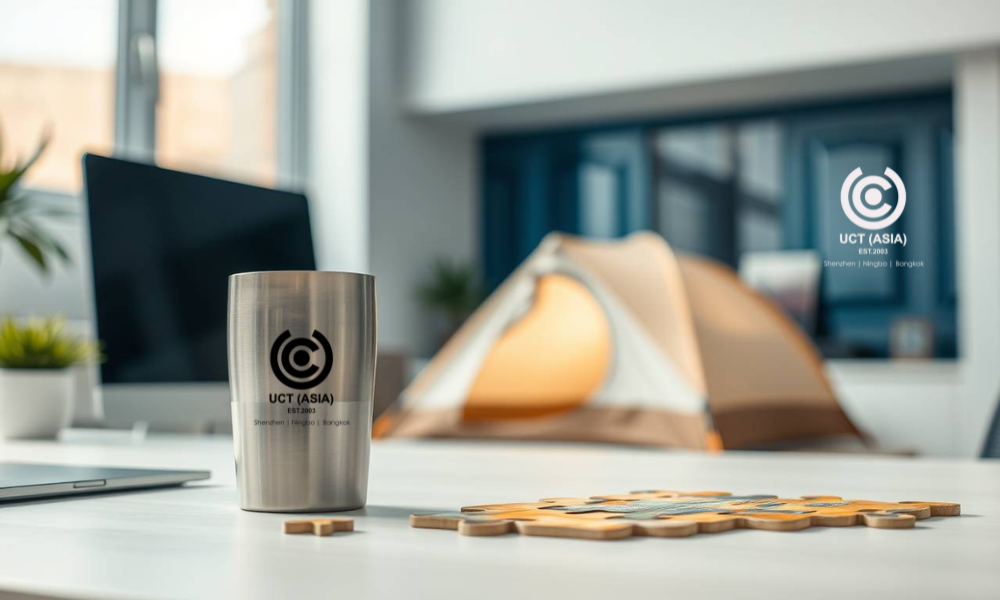
Picture this: You’re sitting in a bustling coffee shop, laptop open, when the person at the next table pulls out a sleek insulated tumbler with a brilliantly designed logo. You find yourself staring—not because you’re being rude, but because the design is genuinely captivating. Before you even realize what’s happening, you’ve mentally bookmarked a brand you’ve never heard of before.
That, my friend, is the quiet magic of creative merchandise done right.
In a world where consumers are bombarded with thousands of ads daily, the most effective marketing often happens when people least expect it. Branded merchandise isn’t just about slapping your logo on random objects anymore. It’s about creating meaningful connections, sparking conversations, and turning everyday moments into brand-building opportunities.
The numbers tell a compelling story. Research shows that 90% of consumers can recall the branding on promotional products they receive, compared to barely remembering the digital ads they saw yesterday. Even more impressive? For every dollar spent on promotional products, businesses see an average return of $6.41 in marketing value. With the U.S. promotional products industry valued at a staggering $26.78 billion and 83% of consumers admitting they use branded merchandise regularly, it’s clear this marketing channel isn’t going anywhere.
But here’s the catch: not all branded merchandise is created equal. That generic pen you grabbed at a trade show three years ago? It’s probably sitting in a drawer somewhere, forgotten and unused. The difference between forgettable swag and merchandise that actually moves the needle comes down to creativity, utility, and genuine value.
This guide explores innovative merchandise ideas that don’t just occupy space—they create experiences, generate conversations, and keep your brand top-of-mind long after the initial handoff. Whether you’re a marketing manager planning your next campaign, a brand manager seeking fresh ideas, or a small business owner working with limited resources, you’ll discover practical strategies to make your merchandise investments work harder and smarter.
Why Creative Merchandise Matters More Than Ever
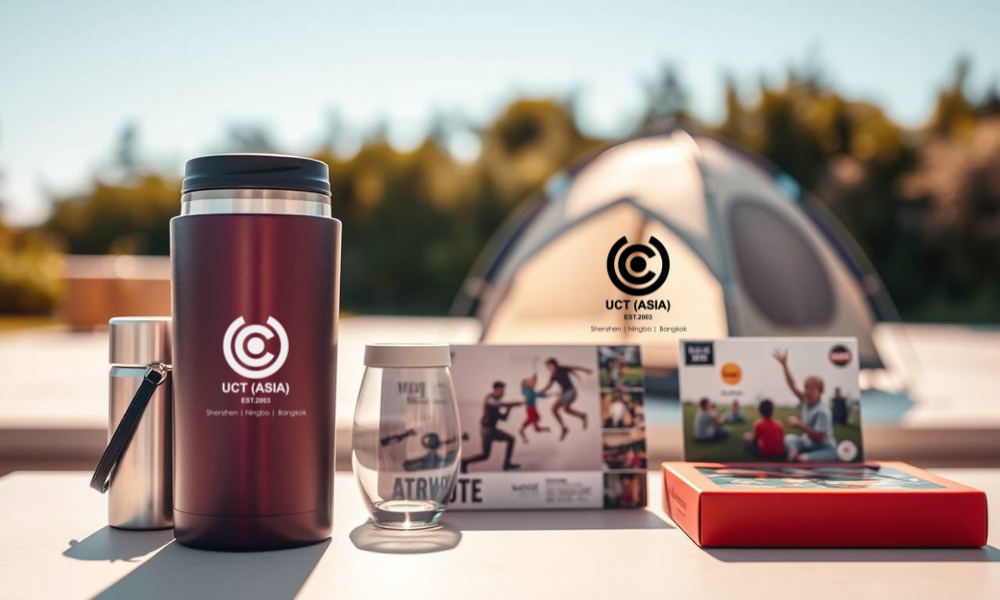
Before diving into specific product recommendations, let’s talk about why this matters. In an era of ad blockers, skipped commercials, and overflowing email inboxes, physical branded items cut through the noise in ways digital marketing simply cannot.
Think about your own behavior. When was the last time you shared an Instagram ad with a friend? Now compare that to the last time you commented on someone’s branded water bottle, asked about their company hoodie, or borrowed their portable charger with a clever logo. Physical merchandise creates tangible touchpoints that digital channels struggle to replicate.
The psychology behind effective merchandise is fascinating. When someone receives a useful, high-quality branded item, they experience what researchers call the “reciprocity effect.” Their brain registers your brand as generous and thoughtful, creating positive associations that influence future purchasing decisions. It’s marketing that doesn’t feel like marketing—and in today’s skeptical consumer landscape, that’s pure gold.
For marketing managers juggling multiple campaigns and brand managers protecting precious brand equity, understanding this psychological dynamic helps justify merchandise investments and guides smarter product selection. For small business owners competing against bigger budgets, creative merchandise levels the playing field by creating memorable brand experiences that don’t require massive media spends.
The New Rules of Branded Merchandise
Gone are the days when a cheap pen and a flimsy keychain constituted a “merchandise strategy.” Modern consumers expect more—and smart brands are delivering. Here are the principles guiding successful merchandise programs today:
Utility First, Logo Second
The most effective branded items solve real problems before they promote your business. A beautifully designed notebook that stays on someone’s desk for six months generates infinitely more impressions than a low-quality gadget that breaks after a week. Ask yourself: Would I use this if it didn’t have my logo on it? If the answer is no, keep looking.
Quality Speaks Volumes
That $0.50 water bottle might seem like a bargain until recipients associate your brand with leaks, weird plastic tastes, and items that end up in the trash. Investing in quality merchandise signals that you value your audience enough to give them something worthwhile. This perception transfers directly to how they view your products and services.
Design That Delights
Today’s consumers are design-savvy. They notice good aesthetics and appreciate thoughtful details. Work with designers who understand your brand identity and can translate it onto physical products in ways that feel intentional, not accidental.
Sustainability Counts
Environmental consciousness isn’t optional anymore. Recipients notice—and judge—brands based on their merchandise choices. Whenever possible, opt for sustainable materials, ethical manufacturing, and products designed for longevity rather than landfill.
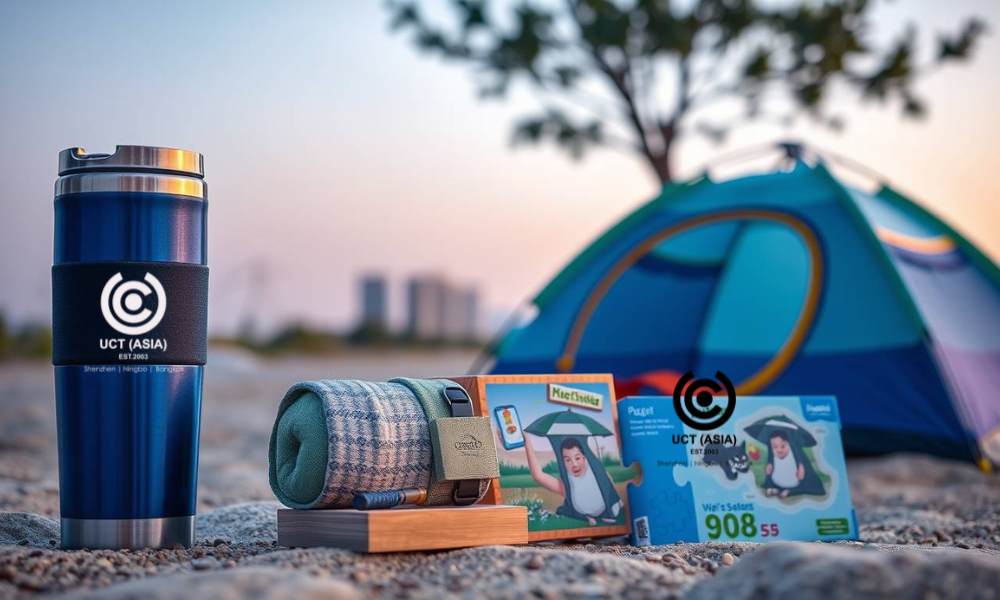
Creative Merchandise Categories That Actually Drive Visibility
Now let’s explore specific merchandise categories that generate genuine brand visibility and engagement. These aren’t theoretical suggestions—they’re proven winners used by successful brands across industries.
Premium Drinkware That Stays in Rotation
Let’s start with a category that consistently delivers ROI: high-quality drinkware. But we’re not talking about basic coffee mugs here.
Insulated Wine Tumblers have emerged as sophisticated options for client gifts and employee appreciation. These double-walled wonders keep beverages at perfect temperature for hours, whether it’s a chilled white wine at an outdoor concert or a hot coffee during morning commutes. When branded tastefully, they accompany recipients to picnics, backyard gatherings, and office spaces—putting your logo in front of diverse audiences in relaxed, positive settings.
What makes wine tumblers particularly effective is their social nature. People use them at gatherings, around friends, and in situations where conversation naturally flows. “Where’d you get that cool tumbler?” becomes an organic conversation starter about your brand.
Beyond wine tumblers, consider expanding into stainless steel water bottles with unique features—built-in infusers for fruit, collapsible designs for travel, or bottles with time markers encouraging hydration. Each innovation gives recipients another reason to choose your branded bottle over the dozen others they own.
Outdoor Gear That Travels Far and Wide
If maximum visibility is your goal, outdoor merchandise is unbeatable. Unlike desk accessories that stay in one location, outdoor products journey to parks, beaches, campsites, festivals, and sporting events—exposing your brand to entirely new audiences with every outing.
Pop-Up Beach Tents exemplify this category perfectly. These portable shelters provide genuine value (shade, protection from wind, a home base for gear) while displaying your brand prominently in high-traffic outdoor environments. A single beach tent might generate thousands of impressions during a busy summer weekend, and because these are shared items used by families and friend groups, your brand reaches multiple people simultaneously.
The key with outdoor merchandise is durability and ease of use. Complicated setups or flimsy materials that fail in real outdoor conditions damage brand perception. Invest in products that genuinely work, and your brand becomes associated with reliability and good times.
Other outdoor winners include portable camping chairs with clever carrying cases, high-quality picnic blankets with waterproof backing, and rugged cooler bags that accompany recipients on countless adventures.
Tech Accessories for the Digital Age
In our connected world, tech accessories offer daily visibility opportunities. The trick is choosing items that integrate seamlessly into recipients’ digital lives.
Portable Wireless Speakers have universal appeal across demographics. Whether someone’s streaming podcasts during morning routines, playing music at small gatherings, or enjoying audiobooks in hotel rooms, branded speakers embed your company into moments of leisure and enjoyment. The social nature of music means these devices often sit in shared spaces—living rooms, offices, dorm rooms—where multiple people interact with your brand.
Smart luggage tags represent another tech-forward option with genuine utility. Smart Luggage Tags with QR codes or Bluetooth tracking capabilities help travelers locate lost bags, update contact information remotely, and travel with peace of mind. For business travelers and vacationers alike, this practical value creates lasting positive associations with your brand.
Additional tech merchandise worth considering includes wireless charging pads with sleek designs, cable organizers that tame cord chaos, and high-capacity portable batteries that save the day during travel or long events.
Interactive and Engaging Items
Sometimes the best merchandise isn’t purely functional—it’s fun. Interactive products engage recipients on different levels, creating memorable brand experiences through play and creativity.
Custom Puzzle Sets might seem unconventional, but they offer unique engagement opportunities. Whether it’s a beautifully photographed jigsaw puzzle showcasing your company culture or a brain-teaser challenge related to your industry, puzzles occupy recipients’ attention for hours. Completed puzzles often get displayed, turned into permanent wall art that continues promoting your brand long after the final piece clicks into place.
Beyond puzzles, consider branded games and activities that align with your brand personality. Card games for family game nights, portable cornhole sets for tailgating, or even adult coloring books featuring intricate designs related to your industry. These items create positive emotional associations and often get shared among friends and family, expanding your reach organically.
Eco-Conscious Options That Reflect Values
For brands prioritizing sustainability—and for audiences who care about environmental impact—eco-friendly merchandise options abound.
Reusable shopping bags have evolved far beyond basic totes. Today’s options include insulated grocery bags, produce bags with mesh windows, and stylish designs that recipients actually want to carry. Every trip to the farmers market or grocery store becomes a brand impression opportunity.
Seed paper products offer literal growth alongside brand growth. Business cards, bookmarks, or postcards printed on biodegradable paper embedded with seeds can be planted after use, transforming your marketing materials into flowers, herbs, or vegetables. It’s a metaphor that writes itself.
Bamboo and sustainable wood products—from utensils to phone stands to cutting boards—demonstrate environmental commitment while providing useful items recipients appreciate.
Apparel That People Actually Wear
Branded clothing walks a fine line. Done poorly, it becomes the dreaded “free t-shirt” that never leaves the drawer. Done well, it becomes a wardrobe staple that generates impressions for years.
The secret? Focus on quality basics with subtle branding. A premium hoodie with a small, tasteful logo on the sleeve will get worn infinitely more than a cheap shirt screaming your brand name across the chest. Consider partnering with known apparel brands for co-branded pieces, or invest in high-quality blanks from respected manufacturers.
Performance wear—moisture-wicking shirts, comfortable joggers, versatile jackets—tends to see the most use because it serves functional purposes beyond advertising. When recipients choose your branded jacket for their morning run or your performance shirt for weekend hiking, they’re making active decisions to represent your brand.
Maximizing Your Merchandise Investment
Choosing great products is only half the battle. Here’s how to ensure your merchandise strategy delivers maximum impact:
Strategic Distribution
Random distribution wastes resources. Instead, identify high-value moments for merchandise distribution:
- Client onboarding: Welcome new clients with premium gift sets that set positive relationship tones
- **Employee milestones: Recognize achievements with quality items that reinforce company culture
- Event targeting: At trade shows, offer tiered merchandise—basic items for general visitors, premium pieces for qualified leads
- Customer loyalty: Reward repeat business with exclusive merchandise unavailable elsewhere
- Influencer partnerships: Provide creators with merchandise they’ll genuinely use and showcase
Personalization When Possible
Even simple personalization dramatically increases merchandise value. Including a handwritten note with a gift, customizing items with recipient names, or tailoring selections to individual preferences shows thoughtfulness that generic distribution cannot match.
Integration with Digital Campaigns
Your merchandise and digital marketing should work together. QR codes on physical items can drive traffic to landing pages, exclusive content, or special offers. Social media campaigns encouraging recipients to share photos of their merchandise extend reach exponentially. Hashtag campaigns turn merchandise distribution into user-generated content machines.
Tracking and Measurement
Treat merchandise like any other marketing investment by establishing clear metrics. Track distribution numbers, monitor social mentions featuring your merchandise, survey recipients about product quality and usage, and analyze lead generation tied to merchandise campaigns. This data informs future investments and demonstrates ROI to stakeholders.
Common Merchandise Mistakes to Avoid
Even well-intentioned merchandise programs can stumble. Watch out for these common pitfalls:
Prioritizing quantity over quality: That mountain of cheap pens might feel impressive, but if recipients throw them away immediately, you’ve wasted budget and created negative brand associations.
Ignoring your audience: Tech startup employees and retirement community residents have very different merchandise preferences. One size rarely fits all.
Over-branding: Aggressive logos and excessive branding turn merchandise into walking advertisements that recipients avoid using. Subtlety and style win.
Neglecting practicality: If an item doesn’t solve a real problem or provide genuine enjoyment, it won’t get used—no matter how creative the concept.
Forgetting follow-up: Merchandise distribution without follow-up communication misses opportunities to nurture relationships. Include calls-to-action, thank-you messages, or next-step suggestions with your items.
Getting Started: Building Your Merchandise Strategy
Ready to transform your merchandise approach? Here’s a practical roadmap:
1. Audit current merchandise: Evaluate what you’re currently using. What’s working? What’s gathering dust? Be honest about quality and recipient reception.
2. Define clear objectives: Are you seeking brand awareness, lead generation, customer retention, or employee engagement? Your goals determine product selection.
3. Know your audience: Survey recipients about preferences, observe what merchandise categories generate excitement, and tailor selections accordingly.
4. Start with versatile winners: Insulated drinkware, quality tote bags, and useful tech accessories offer broad appeal and consistent usage.
5. Test and iterate: Pilot new merchandise categories with smaller groups before committing to large orders. Gather feedback and refine selections.
6. Partner with professionals: Work with experienced branding merchandise companies that understand quality sourcing, design best practices, and logistics management.
Conclusion: Merchandise as Experience
Ad merchandise works because it creates tangible, repeated brand exposure — something digital ads alone cannot achieve. A thoughtfully selected product integrates into daily life, reinforcing familiarity and trust over time. When aligned with campaign objectives, merchandise becomes a measurable extension of your marketing strategy.
As an experienced branded merchandise agency, UCT (Asia) develops merchandise programs that complement broader marketing goals. From concept to distribution, we ensure your branded products strengthen awareness, drive engagement, and deliver long-term value beyond short-lived advertising impressions.