
Web3 moves at breakneck speed. NFT collections mint, tokens launch, and communities form almost overnight, powered by timelines, Discord pings, and short bursts of excitement. Attention comes easily in crypto, but it fades just as fast. Many projects don’t struggle to attract people; they struggle to keep them once the noise dies down. When everything lives online, loyalty becomes fragile, and the moment the hype cycle shifts, community energy often follows.
This is where many Web3 brands hit a wall. Digital ownership alone rarely creates lasting attachment. People want something they can see, touch, and carry beyond their screens. Branded merchandise answers that gap by turning online participation into a physical marker of belonging, giving decentralized projects a real-world presence that outlasts launch buzz and social feeds.
Why Branded Merchandise Hits Different in Web3
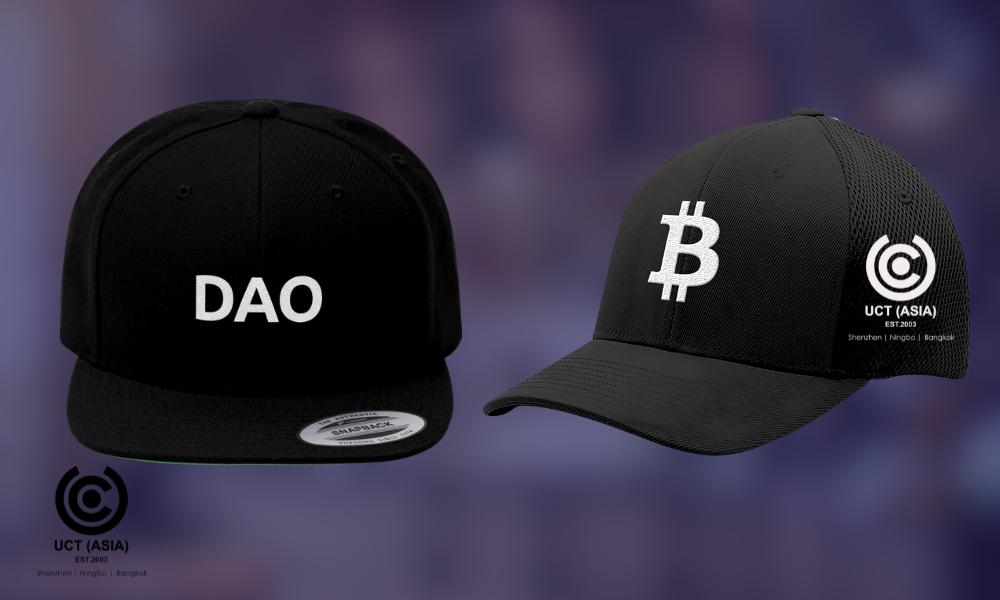
Branded merchandise in Web3 works because it changes behavior, not just perception. When someone wears a DAO hoodie to a meetup or a conference, conversations start without introductions. Other holders recognize the logo, ask questions, and immediately place that person inside a shared context. The merchandise becomes a signal of alignment, showing participation without needing to explain wallet addresses or past contributions.
That visibility reinforces belonging in ways digital badges cannot. Supporters don’t just feel connected; they act connected. They represent the project in public spaces, bring it into offline conversations, and carry its identity into rooms the brand itself hasn’t reached. In those moments, merchandise stops being promotional material and starts functioning as social proof, community glue, and a living extension of the brand.
What Crypto Brands Are Doing Differently
They treat merchandise as a reward, not a giveaway
Web3 projects design merchandise around participation and access rather than mass distribution. Each item carries value because it represents something earned through involvement, ownership, or contribution, not something handed out for visibility.
They gate physical items with digital ownership
NFT-gated merchandise ensures that only holders can access specific drops, turning apparel into proof of belief and participation. Ownership becomes part of the product itself, and scarcity feels justified because access is tied to commitment.
They tie merchandise to moments and milestones
POAP-based unlocks connect physical items to attendance, activity, or contribution, allowing each piece of merchandise to mark when and how someone showed up for the community. Over time, these items become physical records of shared history.
They connect IRL items back to on-chain experiences
Event merchandise often includes QR codes or interactive elements that link back to wallets, tokens, or exclusive digital content. This keeps the physical and on-chain experiences connected, reinforcing engagement instead of separating it.
How to Make Branded Merchandise Work for Your Web3 Brand
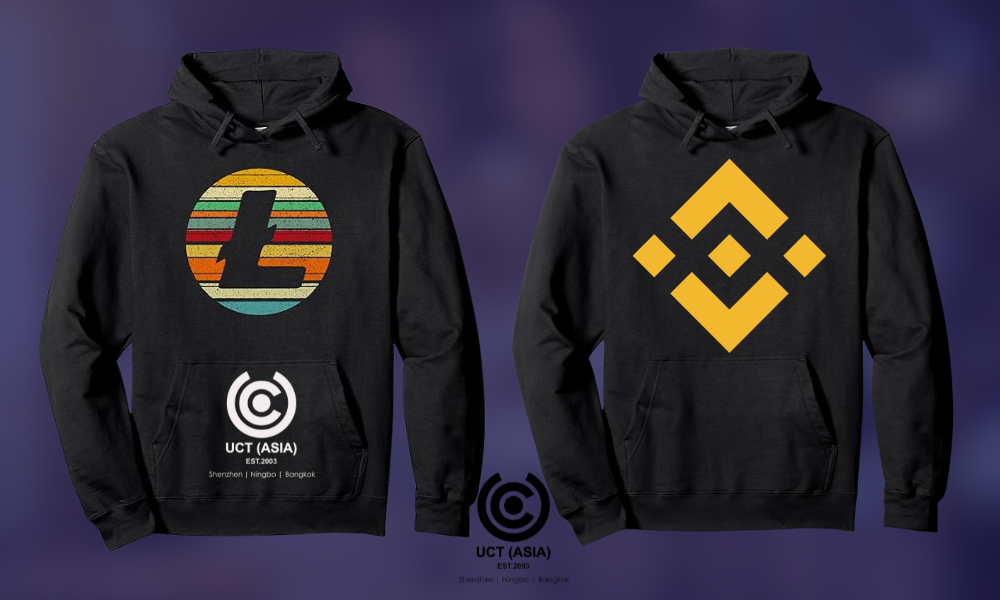
- Design access instead of artificial scarcity – Exclusivity carries weight when it reflects participation. Limited drops tied to NFT ownership, POAPs, or meaningful contributions give merchandise context. When access is earned, the item becomes a symbol of involvement rather than a random collectible.
- Use quality to signal long-term intent – Merchandise acts as a physical representation of your project’s credibility. High-quality materials and thoughtful production suggest a brand that plans to exist beyond the current cycle. Cheap merchandise sends the opposite message and can quietly undermine trust.
- Create recognition through visual consistency – Clear, consistent design makes your brand easier to recognize in crowded spaces. Repeating the same visual language across merchandise helps supporters identify one another instantly, strengthening community identity without relying on constant online engagement.
- Work with partners who understand execution – Strong branding fails without reliable production and delivery. Choosing a partner who understands design, sourcing, and logistics ensures the final product matches the intent behind it. Execution is what turns branded merchandise from an idea into a lasting asset.
Closing Thought
Web3 brands leave traces everywhere online, in wallets, feeds, and transaction histories, yet very few leave a mark people can carry into the real world. When attention shifts and timelines refresh, what remains visible? Branded merchandise gives communities something that outlives campaigns and cycles, turning belief into something physical that moves through real spaces, conversations, and events.
For projects aiming to last, the question is no longer whether people showed up for the launch, but what they take with them afterward. A physical item can become that reminder, a signal of belonging that persists long after the hype fades. This is where working with a branded merchandise agency that understands both identity and execution makes the difference, helping Web3 brands turn short-term participation into something people choose to represent long-term.