
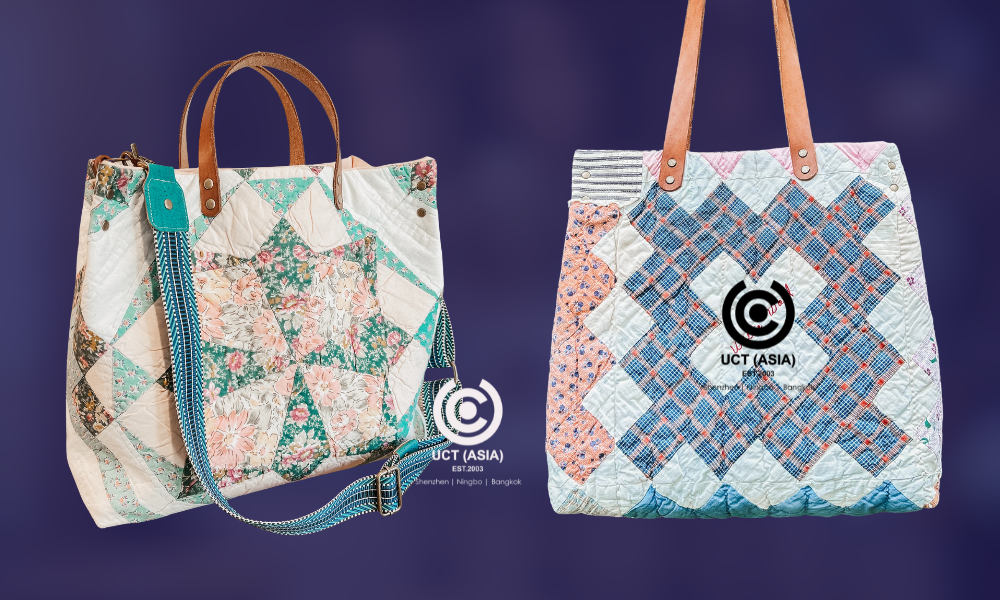
Branded merchandise no longer competes on volume or price. It competes on meaning. Research from Edelman’s Trust Barometer shows that consumer trust increasingly depends on whether brands reflect personal values, while Deloitte’s Global Millennial and Gen Z surveys link purchasing decisions directly to authenticity and ethical behavior. That shift changes how merchandise functions. A tote bag or notebook isn’t just a logo carrier anymore; it becomes a signal of what the brand supports, how it operates, and where it draws its inspiration. Handmade branded merchandise fits naturally into this landscape because it embeds intention, human effort, and narrative into a physical product rather than relying on messaging alone.
Why Handmade Branded Merchandise Resonates with Modern Consumers
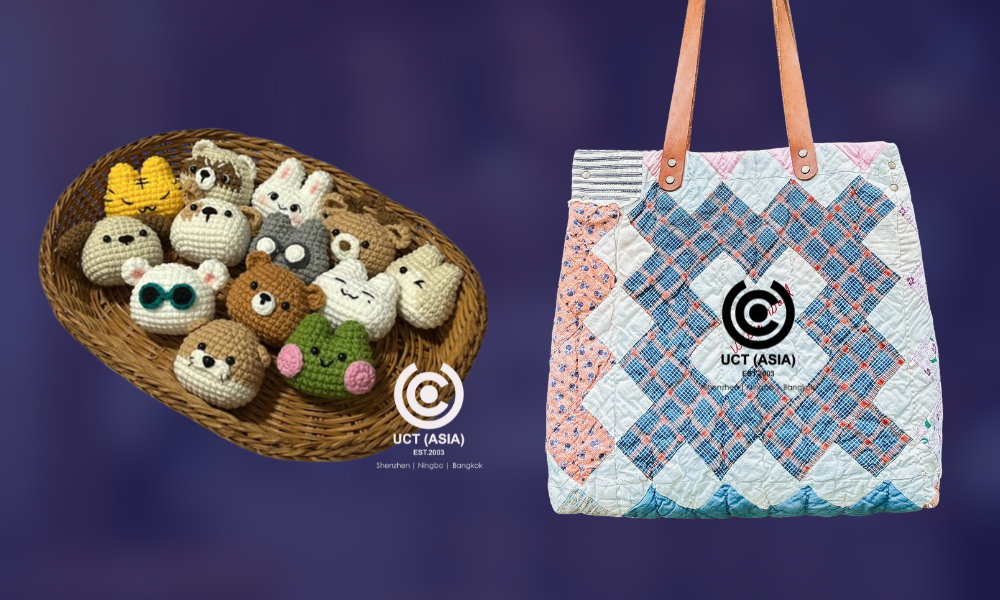
For Gen Z and Millennials, branded merchandise is judged less on utility and more on emotional relevance. A mass-produced item may serve a purpose, but it rarely earns long-term attention or loyalty. Handmade merchandise creates a different response because consumers recognize the presence of craftsmanship. Texture, variation, and material choices communicate care in ways uniform products cannot.
Consumer behavior research consistently links perceived effort and uniqueness to higher perceived value, which explains why handmade items are more likely to be kept, reused, and associated with quality. When a branded product carries visible signs of craftsmanship, recipients interpret it as intentional rather than promotional. That perception transfers directly to the brand itself, strengthening associations with heritage, credibility, and purpose in a crowded market where sameness dominates.
The Power of Local Artisan Partnerships in Brand Storytelling

Local artisan partnerships give branded merchandise narrative depth. They connect products to real people, techniques, and communities, allowing brands to communicate values through action rather than claims. This approach also introduces transparency into sourcing and production, which McKinsey identifies as a growing trust driver.
Working with artisans allows brands to:
- Share where products come from and how they are made
- Demonstrate support for ethical production and local livelihoods
- Embed cultural context and craftsmanship into everyday branded items
Each product becomes a storytelling asset. Every time it is used, the brand story is reinforced through origin, material, and method, not just through logos or slogans.
Conclusion
Handmade branded merchandise reflects how consumers now judge brands: through authenticity, visible intention, and meaningful connection. Unlike mass-produced items, handcrafted products carry stories through their materials, origins, and makers, allowing brands to communicate values without overexplaining them. This approach turns merchandise into a lasting touchpoint rather than a short-lived promotional tool, especially when guided by a branded merchandise agency that understands how storytelling and product strategy intersect.
When brands partner with local artisans, they create merchandise that represents more than identity; it represents commitment. Each product reinforces ethical choices, cultural respect, and thoughtful design, helping brands stand out in markets where trust and differentiation matter more than ever.