
The Essentials of Gym Merchandise: Elevate Your Workout Experience [2026 Guide]
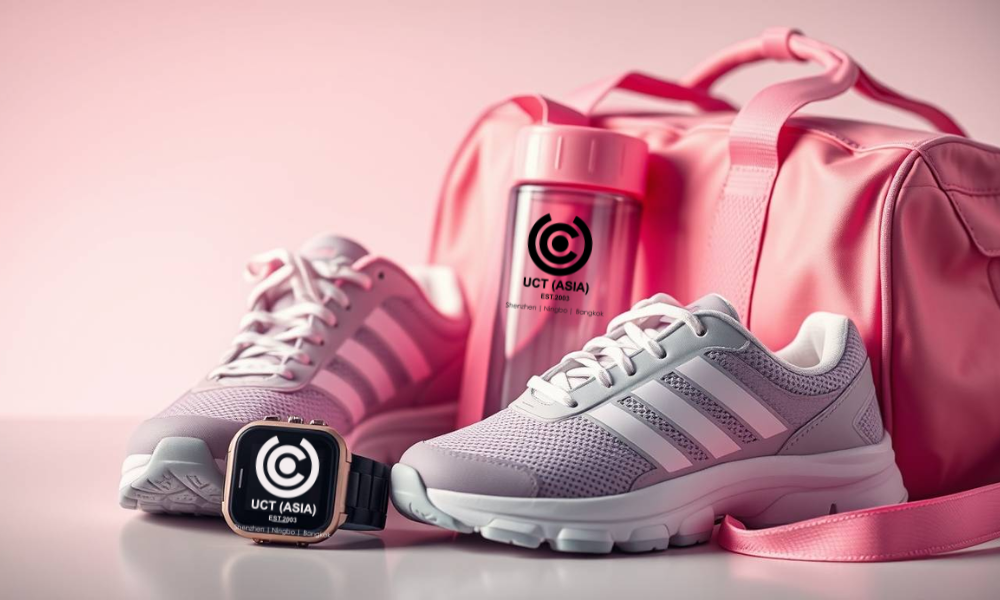
The global fitness market now exceeds $96 billion, with gym wear and accessories representing one of the fastest-growing segments at over 6% annual growth. For gym owners, fitness entrepreneurs, and enthusiasts alike, understanding the gym merchandise ecosystem has become essential for both performance and business success.
Quality gym merchandise doesn’t just enhance workouts it builds community, reinforces brand identity, and creates additional revenue streams. Whether you’re equipping a new facility, upgrading your personal gear, or sourcing products for retail, this comprehensive guide covers everything you need to know.
The Fitness Merchandise Market: Size and Growth
Global Market Overview
According to industry analysis, the fitness apparel and accessories market has experienced sustained growth driven by several factors:
- Health Consciousness: Post-pandemic prioritization of physical wellness
- Athleisure Trend: Workout wear transitioning to everyday fashion
- Boutique Fitness Growth: Specialized studios requiring branded merchandise
- Corporate Wellness: Employers investing in fitness-related perks and products
Category Breakdown
Smart fitness accessories wearables, connected devices, and tech-integrated products represent the fastest-growing subcategory, with projections suggesting 15-20% annual growth through 2028.
| Category | Market Share | Growth Rate |
|---|---|---|
| Activewear/Apparel | 45% | 7–8% annually |
| Footwear | 25% | 5–6% annually |
| Accessories | 15% | 8–10% annually |
| Equipment/Gear | 15% | 4–5% annually |
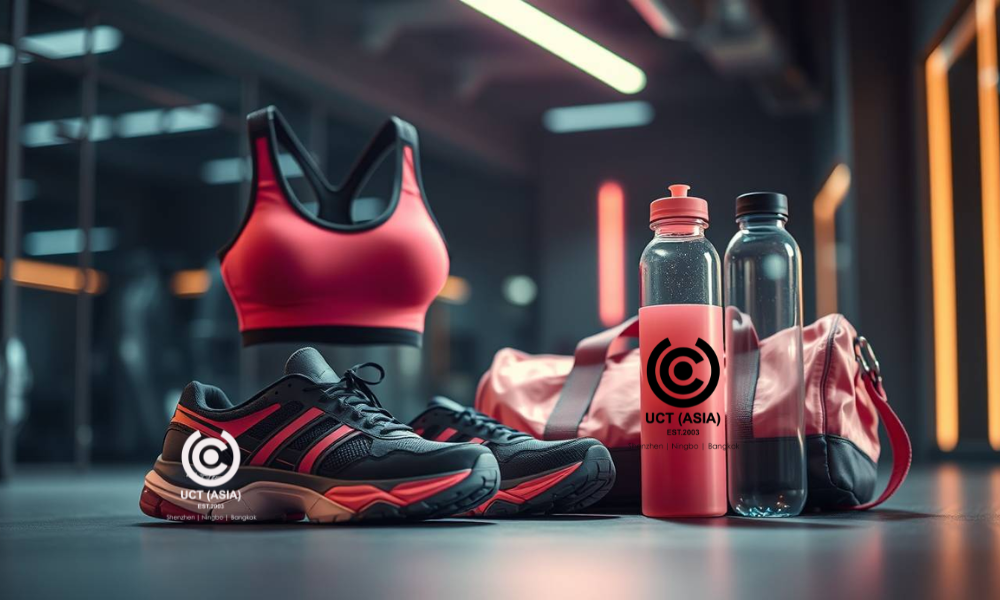
Essential Gym Merchandise Categories
1. Performance Apparel: The Foundation
Technical Fabrics
Modern gym wear relies on advanced materials engineered for specific activities:
- Moisture-Wicking Synthetics: Polyester and nylon blends that pull sweat away from skin
- Compression Fabrics: Spandex blends improving circulation and muscle support
- Antimicrobial Treatments: Silver-ion and similar technologies reducing odor
- Sustainable Materials: Recycled polyester, organic cotton, and bamboo blends
According to textile industry research, moisture-wicking fabrics can improve workout comfort by 30-40% compared to traditional cotton, explaining their dominance in performance wear.
Key Apparel Items:
- Compression leggings and shorts
- Performance t-shirts and tank tops
- Sports bras (high-support for intense training)
- Lightweight hoodies and jackets
Price Range: $25-80 for quality pieces; $100-200 for premium/luxury brands
2. Footwear: Activity-Specific Design
Different workouts demand different shoe designs:
Running Shoes:
- Cushioned soles for impact absorption
- Lightweight construction
- Breathable uppers
- Price Range: $80-180
Cross-Training Shoes:
- Stable platforms for lateral movements
- Durable construction for varied surfaces
- Moderate cushioning
- Price Range: $70-150
Weightlifting Shoes:
- Elevated heels for squat depth
- Rigid soles for power transfer
- Secure straps for stability
- Price Range: $100-250
According to podiatry research, proper footwear reduces injury risk by 25-35% compared to generic athletic shoes worn for inappropriate activities.
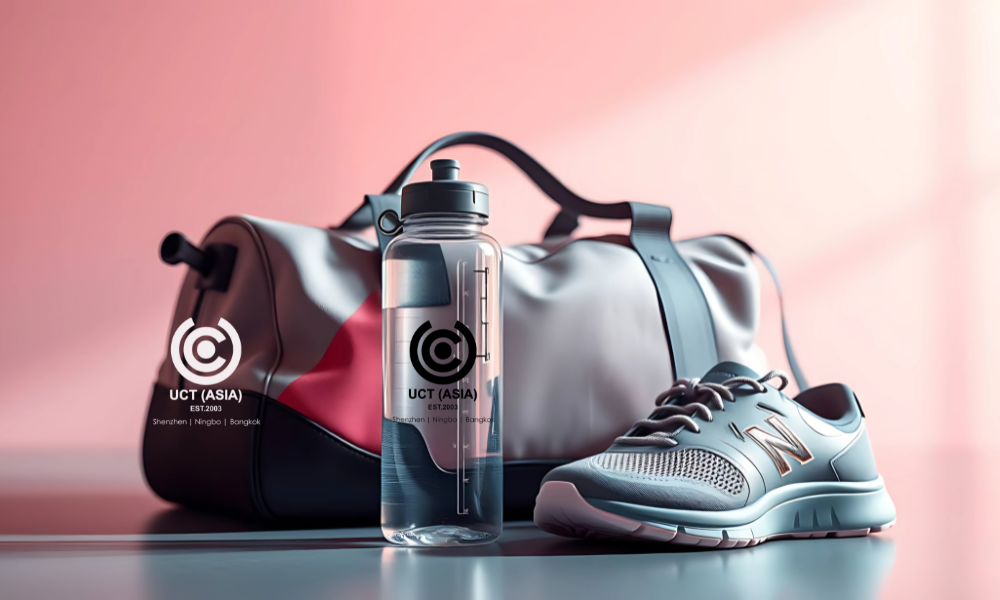
3. Gym Bags: Organization and Convenience
Essential Features:
- Ventilated compartments for dirty clothes/shoes
- Water bottle pockets
- Laptop/tablet sleeves (for work-gym transitions)
- Water-resistant materials
- Comfortable straps
Types:
- Duffel bags (40-60L capacity)
- Backpacks (hands-free convenience)
- Tote bags (stylish, smaller capacity)
Price Range: $40-150 depending on brand and features
4. Hydration and Nutrition Accessories
Water Bottles:
- Insulated bottles keeping drinks cold 12-24 hours
- Shaker bottles with mixing mechanisms
- Large capacity (32-40 oz) for serious trainers
Price Range: $20-50 for quality insulated bottles
Meal Prep Containers:
- Portion-controlled compartments
- Microwave and dishwasher safe
- Leak-proof seals
5. Training Accessories
Resistance Bands:
- Variable resistance levels (light to heavy)
- Versatile for strength and mobility work
- Portable for travel workouts
Price Range: $15-40 for sets
Weightlifting Gloves and Straps:
- Protect hands from calluses
- Improve grip on heavy lifts
- Wrist support wraps
Foam Rollers and Recovery Tools:
- Myofascial release for recovery
- Massage balls for targeted pressure
- Percussion massagers (premium tier)
Price Range: $20-60 for foam rollers; $100-400 for percussion devices
6. Tech and Smart Gadgets
Fitness Trackers and Smartwatches:
- Heart rate monitoring
- Activity tracking
- GPS for outdoor workouts
- Sleep and recovery metrics
Price Range: $100-800 depending on features
Wireless Earbuds:
- Sweat and water resistance (IPX4 or higher)
- Secure fit for movement
- Noise cancellation options
Price Range: $50-300
Heart Rate Monitors:
- Chest straps (most accurate)
- Armband alternatives
- Integration with gym equipment
Price Range: $50-100
B2B Sourcing: Manufacturing and Supply Chain
The Asian Manufacturing Advantage
For gym owners, fitness brands, and retailers sourcing merchandise, Asian manufacturing offers significant benefits:
Cost Efficiency:
- 30-50% lower production costs than Western alternatives
- Economies of scale for large orders
- Competitive material sourcing
Technical Expertise:
- Established relationships with performance fabric suppliers
- Experience with moisture-wicking, compression, and technical textiles
- Quality control processes meeting international standards
Speed to Market:
- 4-6 week production timelines
- Established shipping routes
- Flexible minimum order quantities
Quality Standards for Gym Merchandise
When sourcing fitness products, key quality considerations include:
Fabric Performance:
- Colorfastness (resistance to fading from sweat/washing)
- Stretch recovery (maintains shape after repeated use)
- Breathability ratings
- Durability testing
Construction Quality:
- Seam strength and flatlock stitching
- Zipper quality and reliability
- Print durability
- Hardware strength
Safety Compliance:
- OEKO-TEX certification (harmful substance testing)
- REACH compliance (EU chemical regulations)
- Flammability standards
Sustainable Sourcing Options
According to consumer research, 60-70% of fitness enthusiasts under 35 prioritize sustainability in purchasing decisions. Sourcing options now include:
Eco-Friendly Materials:
- Recycled polyester (from plastic bottles)
- Organic cotton
- Tencel and modal (wood pulp fibers)
- Econyl (recycled nylon from fishing nets)
Ethical Manufacturing:
- Fair labor certification
- Transparent supply chains
- Carbon-neutral production facilities
Retail Strategy for Gym Merchandise
Product Mix Recommendations
For gym owners and fitness retailers:
Core Apparel (40% of inventory):
- Branded t-shirts and tanks
- Performance leggings and shorts
- Gym-branded hoodies
Accessories (30%):
- Water bottles
- Gym bags
- Resistance bands
- Shaker bottles
Premium/Tech (20%):
- Fitness trackers
- Wireless earbuds
- Recovery tools
Impulse/Novelty (10%):
- Stickers
- Keychains
- Small accessories
Pricing Architecture
| Tier | Price Range | Margin | Purpose |
|---|---|---|---|
| Entry | $10–25 | 50–60% | Accessibility, volume |
| Core | $30–70 | 45–55% | Main revenue driver |
| Premium | $80–150 | 40–50% | Quality positioning |
| Tech | $100–400 | 30–40% | High-value items |
Branded vs. Third-Party
Branded Merchandise:
- Higher margins (often 50-60%)
- Builds gym/community identity
- Creates walking advertisements
- Requires upfront investment
Third-Party Brands:
- Lower margins (25-35%)
- Established brand recognition
- No design/production investment
- Attracts brand-loyal customers
Successful gyms typically balance 60% branded, 40% third-party for optimal revenue and community building.
Trends Shaping Gym Merchandise
Sustainability as Standard
Environmental responsibility is becoming baseline expectation:
- Recycled materials in 40-50% of new products
- Plastic-free packaging
- Carbon-neutral shipping options
- Take-back programs for old gear
Smart Technology Integration
- NFC-enabled apparel unlocking workout content
- Fitness trackers embedded in clothing
- AI-powered form correction via wearables
- Biometric monitoring garments
Personalization and Customization
- Mass customization enabling individualized designs
- On-demand production reducing waste
- Personalized fit algorithms
- Monogramming and custom colorways
Athleisure Expansion
The line between gym wear and everyday fashion continues blurring:
- Premium fabrics suitable for both workouts and social settings
- Fashion-forward designs
- Celebrity and influencer collaborations
Frequently Asked Questions
What is the most essential gym merchandise?
Quality moisture-wicking apparel and proper footwear form the foundation. According to fitness professionals, investing in these basics before accessories yields the greatest performance benefits.
How much should gym owners invest in merchandise inventory?
Initial inventory investments typically range $5,000-15,000 depending on facility size. Focus on fast-moving items (apparel, water bottles) before expanding to premium tech products.
What are the best-selling gym merchandise items?
Branded t-shirts and tank tops typically lead sales volume, followed by water bottles and gym bags. Resistance bands and accessories perform well as add-on purchases.
Where is gym merchandise manufactured?
The majority of fitness apparel is manufactured in Asia—Vietnam, China, Bangladesh, and Indonesia—due to cost advantages and technical expertise with performance fabrics.
How do I choose a gym merchandise supplier?
Evaluate suppliers on product quality, minimum order quantities, turnaround times, sustainability credentials, and communication responsiveness. Request samples before committing to large orders.
What is the profit margin on gym merchandise?
Branded merchandise typically yields 50-60% margins, while third-party brands average 25-35%. Tech products generally have lower margins (30-40%) but higher price points.
How important is sustainability in gym merchandise?
Research suggests 60-70% of fitness enthusiasts under 35 prioritize sustainability, making eco-friendly options increasingly important for brand positioning and customer loyalty.
What size range should gym apparel cover?
Inclusive sizing (XS-3XL minimum, ideally up to 5XL) ensures accessibility and demonstrates brand values. Extended sizing typically accounts for 15-25% of sales but significantly impacts brand perception.
How often should gyms refresh merchandise offerings?
Seasonal refreshes (quarterly) maintain interest, with core staples available year-round. Limited-edition drops for events or milestones create urgency and social media opportunities.
What are smart fitness accessories?
Technology-integrated products including fitness trackers, heart rate monitors, NFC-enabled apparel, and connected recovery tools represent the fastest-growing merchandise category.
How can small gyms compete with large chains on merchandise?
Focus on unique, branded designs reflecting your community. Limited quantities, member exclusives, and personalized options create differentiation without massive inventory investments.
What licensing is required to sell branded gym merchandise?
Selling merchandise featuring trademarked brands (sports teams, character IPs) requires licensing agreements. Generic fitness-themed or original branded merchandise requires no special licensing.
Elevate Your Gym Merchandise with UCT (Asia)
Gym merchandise enhances motivation, identity, and community within fitness environments. From apparel to accessories, well-crafted merchandise strengthens member loyalty while reinforcing brand presence inside and outside the gym. The most successful programs combine functionality with strong design appeal.
As a reliable branding merchandise company, UCT (Asia) partners with fitness brands to create merchandise lines that support both performance and brand storytelling. Our end-to-end execution ensures products meet durability standards while elevating brand perception in competitive wellness markets.