
In today’s visual economy, your logo isn’t just a graphic — it’s a strategic asset that shapes how consumers see your brand and directly influences their purchasing decisions. Research shows that a powerful logo increases brand recognition, strengthens trust, and makes merchandise more appealing — all of which contribute to sales growth.
Why Logo Design Matters for Consumer Perception
Consumers form opinions rapidly — often within seconds of seeing a logo. A well-designed logo helps customers make quick judgments about professionalism, quality, and trustworthiness. Visual identity, especially logos, drives brand perception far more efficiently than text alone because the human brain processes images far faster than words.
- First impressions count: Most people form a brand perception in the first few seconds of visual engagement.
- Rapid cognitive processing: Logos are processed up to 60,000× faster than text, giving them outsized influence at first glance.
- Credibility cues: Around 75 – 93 % of consumers recognize and assess a brand by its logo alone.
In competitive markets where customers skim dozens of visuals each minute, substantial and memorable logos can create comfort and recognition before consumers read product descriptions or reviews.
Logo Recognition Drives Buying Decisions
Recognition breeds trust, and trust drives purchasing. Research and industry data confirm that consumers are more likely to engage with, remember, and ultimately buy from brands with distinctive, consistent logos.
- Brand recall and loyalty: Logos can improve recall by up to 80 %, and brands with memorable visual identities are more likely to be chosen by consumers.
- Purchase influence: Around 48 – 68 % of consumers say a logo influences their purchase decisions.
- Buy vs. skip decisions: 60 % of consumers avoid brands with outdated or unappealing logos, showing how critical visual appeal is at point-of-sale.
At retail points — whether online, in-store, or on merchandise — customers often make subliminal choices based on visual familiarity. Merchandise bearing a clean, recognizable logo becomes a touchpoint for repeated exposure, strengthening the brand’s place in the consumer’s mind.
The Relationship Between Logo Quality and Merchandise Effectiveness
Merchandise becomes more than promotional swag when the logo it carries resonates. Clean, adaptable, and appealing logo designs make merchandise more likely to be kept, used, and shared — extending the brand’s reach and driving higher returns.
- Product retention: Merchandise with strong logos is kept by consumers longer because the visual identity represents familiarity and pride in the brand.
- Word-of-mouth amplification: Recognizable logos increase the chance that wearable merchandise — tees, hats, bags — becomes a walking advertisement for the brand.
- Revenue impact: Consistent logo usage across platforms — including merchandise — correlates with a 23 % increase in revenue according to marketer surveys.
Brands that bring aesthetic harmony to their merchandise — by choosing logos that scale well across sizes and media — tend to outperform those with inconsistent or cluttered visual marks.
The Psychology Behind Logos and Consumer Behavior
Beyond statistics, academic research sheds light on why logos matter. A systematic review of studies on logo effects reveals that logo design shapes:
- Perception and attitude: Logos influence how consumers emotionally respond to brand identity, affecting their motivation to buy.
- Brand image: Elements like shape and color significantly affect customer perceptions of professionalism, value, and personality.
- Purchase intention: Well-aligned visual traits with product function or brand image can increase purchase motivation.
This body of research aligns with marketing theory: visual cues like logos act as heuristics — mental shortcuts that help consumers decide quickly, especially under information overload.
Best Practices for Logo Design That Boosts Merchandise Sales
If your goal is merchandise that sells, not just sits, treat your logo design as a strategic investment, not an afterthought. Here’s how to do it effectively:
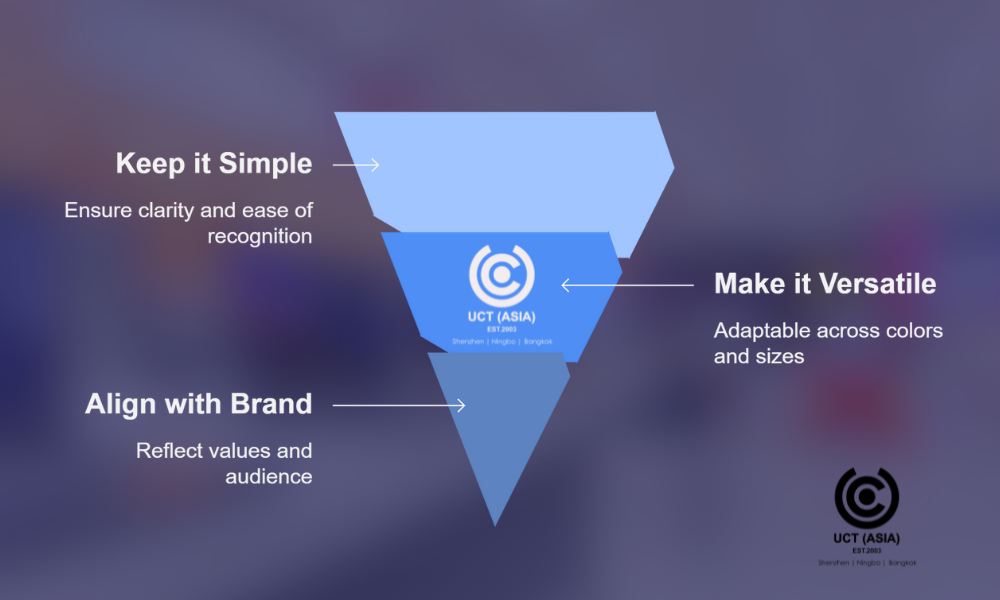
✔ Keep It Simple
Simple logos are more memorable and adaptable. Minimalism helps ensure your logo translates cleanly across hats, shirts, mugs, and digital screens.
✔ Design for Versatility
A good logo should work in any size and color — from embroidery on caps to full-color prints on tote bags — without losing identity.
✔ Reflect Your Brand Identity
Your logo should convey your brand values and personality. Consistency across merchandise strengthens trust and recognition.
✔ Focus on Emotional Impact
Color, shape, and typography influence emotions. For example, blue often conveys trust, while vibrant colors can evoke excitement or energy.
Conclusion: Logos Are More Than Symbols — They’re Sales Tools
Your logo serves as the face of your brand, influencing first impressions, building trust, and guiding purchasing decisions. A strong, well-designed logo increases visibility and makes branded merchandise more effective — not just as promotional items but as drivers of consumer connection and long-term loyalty.
Investing in strategic logo design is not optional if your goal is sustained engagement and stronger merchandise sales. It’s a foundational step in building a cohesive brand identity that consumers recognize, remember, and choose again and again.
Harness Our Creativity at UCT (Asia)!
At UCT (Asia), logo design sits at the center of how merchandise performs in real-world conditions. Every logo placed on apparel, packaging, or point-of-sale merchandise carries the weight of brand perception, trust, and recall. When visual identity aligns with product quality and audience expectations, merchandise stops being decorative and starts functioning as a revenue-supporting asset. That’s where execution matters, from design clarity to production accuracy, because a logo only drives results when it translates flawlessly across materials, formats, and environments.
As a branded merchandise agency, UCT (Asia) works with businesses that want their merchandise to do more than exist. We help brands turn visual identity into tangible commercial impact through carefully designed logos and merchandise that customers keep, use, and associate with value. If your goal is stronger recognition, higher engagement, and merchandise that actively supports sales, the right logo strategy, paired with the right production partner, changes how your brand is seen and remembered.