
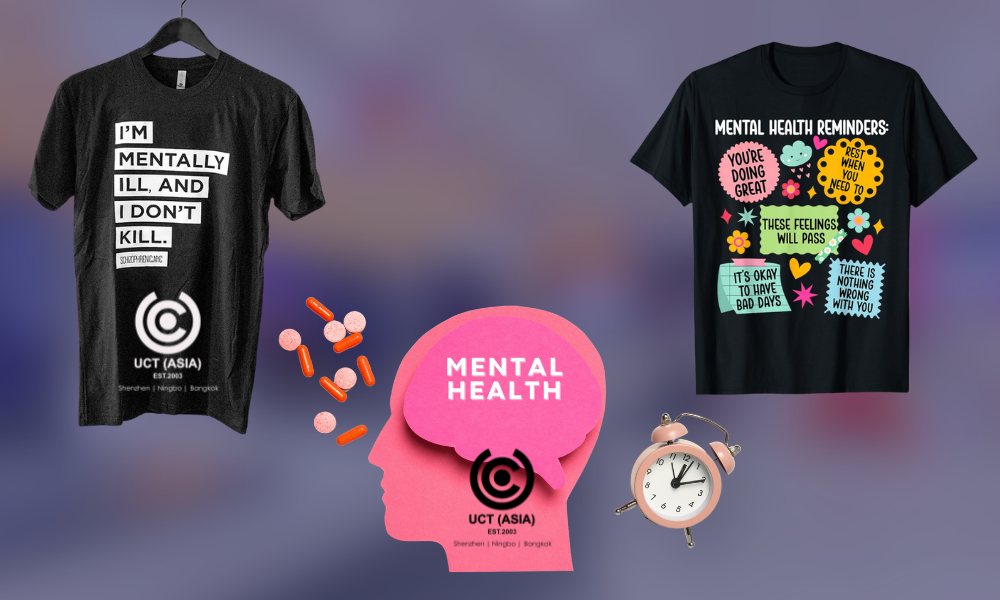
In recent years, mental health conversations have shifted from private to public — with anxiety, stress, and emotional well-being increasingly discussed in schools, workplaces, and on social media. This cultural change has helped reduce stigma and encouraged more people to seek help openly. As part of this shift, a fascinating development has emerged: the rise of mental health merchandise — products designed not just to look good, but to promote awareness, spark dialogue, and support emotional well-being.
What Is Mental Health Merchandise?
Mental health merchandise refers to consumer products — such as apparel, accessories, stationery, and stress-relief tools — that feature positive messaging or wellness support functions. These are meant to serve as reminders of self-care, encouragement to talk about emotions, or practical tools to support stress management.
Examples include:
- Daily affirmation cards
- Clothing with uplifting slogans
- Bracelets and pins promoting mental health causes
- Journals for reflection and gratitude
- Stress balls and sensory tools
How These Products Promote Mental Wellness and Awareness
Here are the main ways mental health merchandise contributes to wellbeing and awareness — backed by research and real consumer behavior data:
1. They Start Conversations
Wearable items and accessories with mental health messages often act as conversation starters. Clothing that reads things like “Be kind to your mind” can prompt co-workers, classmates, or strangers to talk about their emotional experiences — helping break down stigma and isolation.
These interactions can be especially meaningful: people who wear message-based clothing report feeling more connected to others, with many sharing that such items encouraged discussions they wouldn’t otherwise have had.
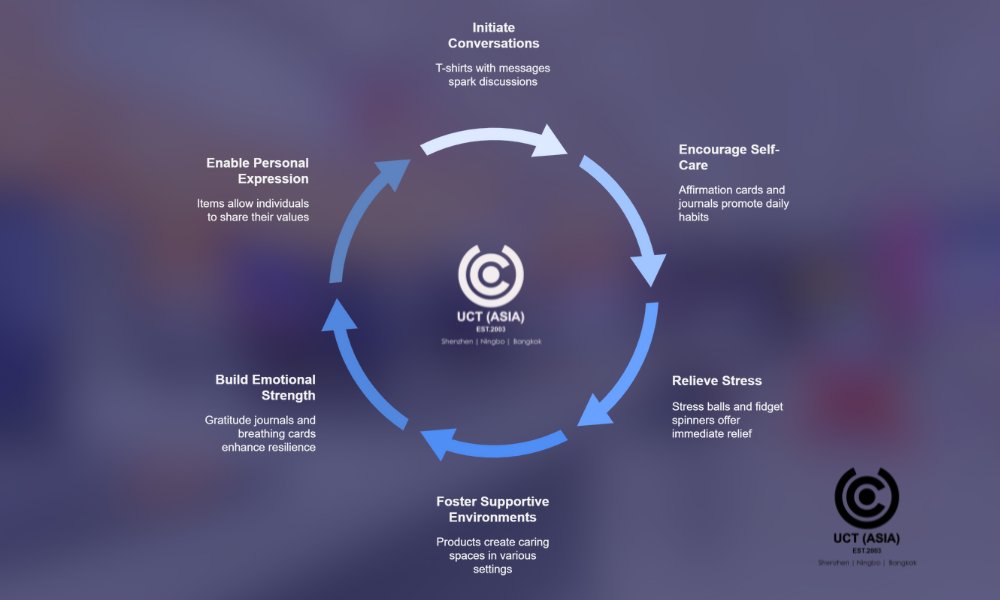
2. They Motivate Daily Self-Care
Items like journals, affirmation cards, and wellness planners serve as daily tools for reflection, goal-setting, and emotional regulation. Research underscores the value of reflection and expressive writing in reducing stress and clarifying emotions — making these products more than decorative; they’re practical aids in emotional maintenance.
3. They Serve as Stress Relievers
Stress balls, fidget spinners, and similar sensory tools can help ground attention and reduce physical symptoms of anxiety in the moment. These tools are used in therapeutic contexts and workplaces to help individuals navigate immediate tension and focus on calming strategies.
4. They Create Supportive Environments
When schools, workplaces, or therapy centers incorporate mental health-themed products (like posters, journals, or calming kits), they help cultivate an environment that values emotional wellbeing. This signals that talking about mental health is accepted — even encouraged — in that space.
5. They Build Emotional Resilience
Products that “nudge” users toward coping strategies — like bills that remind you to breathe or gratitude journals — can help people adopt positive habits that improve emotional resilience over time.
6. They Allow Personal Expression
Wearing or using mental health-positive merchandise also serves as a form of personal expression. It tells the world the values you stand for and signals to others that it’s okay to be open about emotional challenges — which can normalize and destigmatize mental health discussions.
Popular Types of Mental Health Merchandise
Some popular examples include:
- T-shirts and hoodies with inspiring labels about mental health
- Enamel pins featuring something like “Mental Health Matters”
- Boxes of items filled with relaxing items
- Sensory tools such as weighted blankets and calming stones
Real Brand Examples: Products with Purpose
Here are notable illustrations of how brands and organizations are using merchandise to promote mental health:
Madhappy — Optimism Through Clothing
Madhappy is a lifestyle brand built around optimism and mental wellness. By using bright colors and uplifting designs — and aligning with mental health partners — the brand seeks to foster open conversations and community around well-being.
Mental Health Action Merchandise
Organizations like Mental Health America sell products (pins, bracelets, apparel) that raise funds for advocacy and provide visible signals of support for emotional well-being.
Nonprofit Merch Initiatives
In Kenya, social groups sell clothing and accessories that are explicitly designed to spark mental health conversations and raise awareness in local communities.
Why Brands and Businesses Are Embracing the Trend
Several market and cultural forces explain why mental health merchandise is growing fast:
Consumer Expectations and Social Responsibility
Market research shows that people increasingly expect brands to support causes that matter to them — including mental health. Many consumers are more likely to engage with brands that align with their personal values, and mental wellness is near the top of these priorities.
Boosting Brand Engagement
Brands that include mental health messaging in their marketing see higher engagement on social media and more positive consumer sentiment — indicating that thoughtful, empathetic marketing resonates with audiences.
Meaningful Workplace Initiatives
Companies increasingly use mental health-focused merchandise as part of wellness gifts and corporate culture efforts — from stress management kits to motivational journals — to help employees feel supported and valued.
Partnerships with Charities
Many brands now collaborate with mental health nonprofits, donating part of their proceeds to support awareness campaigns and services. This not only supports worthy causes but also builds deeper connections with customers who care about social impact.
A Movement More Than a Trend
Mental health merchandise isn’t just another consumer fad — it reflects a broader cultural shift toward openness, empathy, and proactive well-being. As awareness grows and attitudes evolve, these products help:
- Normalize mental health conversations
- Encourage self-care behavior
- Create supportive communities
- Highlight emotional resilience as a shared value
Consumers and brands alike are recognizing that tangible products with positive messages can be powerful tools for change.
Conclusion
Mental health merchandise now plays a visible role in how organizations communicate care, empathy, and purpose. What started as simple awareness messaging has grown into a practical way to encourage dialogue, reinforce daily self-care, and signal shared values across workplaces, schools, and communities. Products that people wear, hold, or use every day shape behavior through repetition and visibility, turning abstract conversations about well-being into something tangible and approachable.
At UCT (Asia), this shift aligns directly with how we support brands as a branded merchandise agency focused on meaning, not noise. We help companies translate mental health values into thoughtfully designed merchandise that resonates with employees and customers, supports long-term brand trust, and fits seamlessly into broader procurement strategies. When merchandise reflects genuine care and social awareness, it stops being a giveaway and starts becoming part of a healthier, more human brand experience.