
The Versatility of Tote Bags: Why They’re the Must-Have Merchandise for Every Occasion [2026]
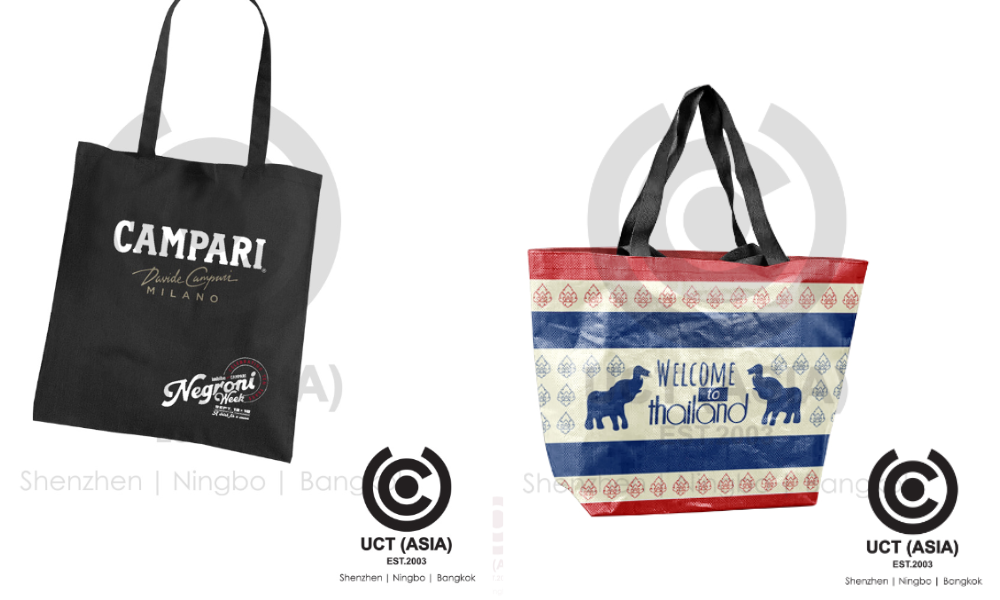
Tote bags have achieved something rare in the accessories world: enduring relevance across centuries, cultures, and fashion trends. From their origins carrying ice in the 1940s to today’s $2+ billion reusable bag market, these simple carryalls have evolved into powerful tools for personal expression, brand promotion, and environmental responsibility.
For businesses, tote bags represent one of promotional merchandise’s highest-ROI categories. According to industry data, they generate over 5,000 impressions throughout their lifetime while costing mere dollars to produce. Understanding why tote bags work—and how to leverage them effectively—can transform any marketing strategy.
The Evolution of Tote Bags: From Utility to Icon
Historical Origins
The term “tote” derives from the verb meaning “to carry.” The first commercial tote bags appeared in 1944 when L.L. Bean introduced the Ice Bag designed specifically for transporting ice from vehicles to home freezers. Constructed from heavy-duty canvas with sturdy handles, these utilitarian bags prioritized function over fashion.
By the 1960s, tote bags had migrated from purely practical applications to cultural status symbols. The Bohemian movement adopted them as anti-establishment accessories, rejecting structured handbags for simple, unpretentious carryalls. This countercultural association established the tote bag’s dual identity: simultaneously humble and statement-making.
The Modern Tote Renaissance
Today’s tote bag revival stems from converging cultural forces:
Environmental Consciousness: As plastic bag bans proliferate globally (over 100 countries now restrict single-use plastics), reusable totes have shifted from eco-niche to everyday essential.
Minimalist Aesthetics: The “less is more” movement favors simple, versatile accessories over specialized, single-purpose items. Tote bags embody this philosophy perfectly.
Personal Branding: Social media culture encourages self-expression through accessories. Tote bags serve as portable billboards for values, affiliations, and aesthetics.
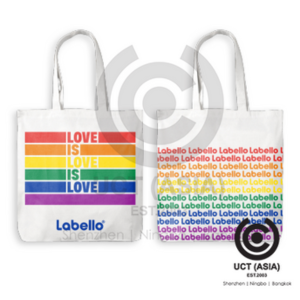
The Business Case for Tote Bag Merchandise
Impressions and ROI
According to promotional products research, tote bags deliver exceptional value:
- 5,000+ impressions per bag over its lifetime
- $0.004 cost per impression (among the lowest in advertising)
- 14-month average retention (longer than most promotional items)
- 50%+ recipient retention rate (fans actually keep and use them)
Compare these metrics to traditional advertising:
| Medium | CPM (Cost per 1,000 impressions) | Retention |
|---|---|---|
| TV Advertising | $25–50 | N/A |
| Digital Ads | $5–25 | N/A |
| Print Media | $50–150 | N/A |
| Tote Bags | $4–8 | 50%+ |
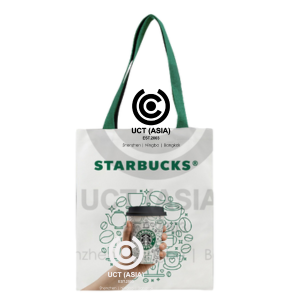
Brand Association Value
Tote bags create unique brand associations:
- Utility: Recipients appreciate practical value
- Environmental Responsibility: Reusability signals sustainability commitment
- Fashion Acceptance: Carried publicly without stigma
- Longevity: Daily use maintains brand presence for months or years
According to consumer psychology research, practical gifts generate stronger positive associations than novelty items, explaining tote bags’ effectiveness as promotional tools.
Material Options and Their Applications
Canvas and Cotton
Characteristics:
- Natural, breathable fabric
- Excellent printability
- Moderate durability (2-5 years typical use)
- Biodegradable at end of life
Best For:
- General promotional use
- Screen printing and embroidery
- Budget-conscious campaigns
- Eco-friendly positioning
Price Range: $2-6 production cost
Jute and Burlap
Characteristics:
- Highly sustainable (fast-growing crop)
- Distinctive natural aesthetic
- Excellent durability
- Biodegradable and compostable
Best For:
- Environmental campaigns
- Organic/natural product brands
- Premium eco-positioning
- Grocery and market applications
Price Range: $3-8 production cost
Recycled PET (Polyester)
Characteristics:
- Made from recycled plastic bottles
- Exceptional durability (5-10 years)
- Water-resistant properties
- High strength-to-weight ratio
Best For:
- Heavy-duty applications
- Outdoor and fitness use
- Sustainability storytelling
- Long-term promotional campaigns
Price Range: $4-10 production cost
Non-Woven Polypropylene
Characteristics:
- Lightweight and inexpensive
- Good printability
- Moderate durability (1-3 years)
- Recyclable but not biodegradable
Best For:
- High-volume giveaways
- Event distribution
- Budget campaigns
- Short-term promotions
Price Range: $1-3 production cost
Leather and Premium Materials
Characteristics:
- Luxury aesthetic and feel
- Exceptional durability (10+ years)
- Premium positioning
- Higher cost but perceived value
Best For:
- Executive gifts
- High-end brand positioning
- Long-term client retention
- Premium employee rewards
Price Range: $15-50+ production cost
Design Principles for Maximum Impact
Visual Hierarchy
Effective tote bag design follows clear visual priorities:
1. Brand/Logo: Primary focal point, typically 20-30% of visible area
2. Message/Slogan: Supporting text, memorable and concise
3. Visual Elements: Graphics, patterns, or imagery
4. White Space: Prevents visual clutter, improves readability
Typography Best Practices
- Readability: Sans-serif fonts perform best at distance
- Size:*Primary text should be readable from 6-10 feet
- Contrast: High contrast between text and background
- Length: Maximum 5-7 words for primary message
Color Strategy
Brand Alignment:
- Use established brand colors for recognition
- Consider complementary colors for visual interest
- Limit palette to 2-3 colors for cohesion
Context Awareness:
- Neutral bases (black, navy, natural) offer versatility
- Bright colors attract attention but limit outfit coordination
- Seasonal colors can drive timely relevance
Print Methods
Screen Printing:
- Best for: Simple designs, solid colors, high volume
- Cost: Most economical for 500+ units
- Durability: Excellent (hundreds of washes)
Heat Transfer:
- Best for: Complex designs, photography, gradients
- Cost: Moderate, setup fees lower than screen
- Durability: Good (50-100 washes typical)
Embroidery:
- Best for: Premium positioning, small logos, professional aesthetic
- Cost: Higher per unit, setup fees apply
- Durability: Exceptional (lasts bag lifetime)
Digital Direct-to-Garment:
- Best for: Full-color designs, small runs, customization
- Cost: Higher per unit, no setup fees
- Durability: Moderate (fades faster than screen print)
Strategic Applications by Industry
Retail and E-Commerce
Strategy: Branded totes as purchase incentives
- Offer free branded tote with $50+ purchase
- Include with subscription box deliveries
- Sell as standalone merchandise
Benefits:
- Customer retention through utility
- Walking advertisements in shopping contexts
- Premium unboxing experience
Events and Conferences
Strategy: Welcome bags and swag carriers
- Pre-filled with event materials
- Branded with event identity and sponsor logos
- Reusable throughout event and beyond
Benefits:
- Sponsor visibility opportunities
- Practical value appreciated by attendees
- Continued promotion post-event
Education and Universities
Strategy: Campus bookstore staples
- Course book carriers
- Alumni association merchandise
- Orientation week giveaways
Benefits:
- Community identity building
- Practical daily use by students
- Long-term brand loyalty
Non-Profits and Causes
Strategy: Mission amplification
- Cause messaging and statistics
- Donor appreciation gifts
- Fundraising store items
Benefits:
- Message visibility in daily contexts
- Donor retention through appreciation
- Conversation starters about mission
Food and Grocery
Strategy: Reusable shopping bag programs
- Durable construction for heavy loads
- Food-safe materials
- Regular use driving frequent impressions
Benefits:
- Alignment with sustainability values
- Regular brand exposure (weekly grocery trips)
- Potential for co-branding with food suppliers
Sourcing and Manufacturing Considerations
Asian Manufacturing Advantages
For businesses sourcing tote bags in volume, Asian manufacturing offers:
Cost Benefits:
- 40-60% lower production costs than Western alternatives
- Economies of scale for large orders
- Established material supply chains
Capabilities:
- Experience with various materials (canvas, jute, recycled PET)
- Quality printing and embroidery
- Custom construction options
- Flexible minimum order quantities
Sustainability Options:
- Organic cotton certifications
- Recycled material sourcing
- Ethical labor practices
- Carbon-neutral shipping
Quality Control Checkpoints
Material Inspection:
- Fabric weight and consistency
- Color accuracy
- Construction quality (stitching, handles)
Print Quality:
- Color matching to specifications
- Registration accuracy
- Durability testing (wash cycles)
Functional Testing:
- Weight capacity verification
- Handle strength testing
- Closure mechanism reliability
Logistics and Timing
Standard Production: 3-4 weeks
Rush Orders: 1-2 weeks (premium pricing)
Shipping: 2-4 weeks ocean freight; 3-5 days air freight
Planning timeline: Order 6-8 weeks before needed date for standard production and shipping.
Trends Shaping Tote Bag Merchandise
Sustainability Leadership
Environmental responsibility increasingly drives material choices:
- Organic cotton certifications (GOTS)
- Recycled content (ocean plastic, post-consumer waste)
- Carbon-neutral production claims
- End-of-life recycling programs
Premium Positioning
Tote bags migrating upmarket:
- Designer collaborations
- Luxury material applications
- Limited edition artist series
- Higher price points reflecting quality
Technology Integration
Smart features emerging:
- RFID-blocking security pockets
- USB charging ports
- Solar panel charging surfaces
- QR codes linking to brand content
Personalization at Scale
Mass customization enabling individualization:
- On-demand printing
- Monogramming services
- Custom color combinations
- Regional/localized designs
Frequently Asked Questions
Why are tote bags effective promotional items?
Tote bags deliver over 5,000 impressions per unit at approximately $0.004 cost per impression. Their practical utility ensures recipients actually use them, creating ongoing brand exposure unlike disposable promotional items.
What materials are best for tote bags?
Canvas/cotton offers balance of cost and quality for general use. Jute provides superior sustainability credentials. Recycled PET delivers maximum durability. Non-woven polypropylene suits budget-conscious, high-volume giveaways.
How much do custom tote bags cost?
Production costs range $1-10 depending on material, size, and complexity. Screen-printed canvas totes typically cost $2-4. Premium leather or organic materials range $8-25+. Minimum orders often 100-500 units for customization.
What size tote bag is most popular?
The 15″ x 16″ standard size accommodates most daily needs (laptops, groceries, books) while remaining portable. Gusseted bottoms (3-4″ depth) add capacity without significantly increasing cost.
How long do promotional tote bags last?
Quality canvas bags typically last 2-5 years with regular use. Premium materials (heavy canvas, jute, leather) extend lifespan to 5-10 years. Usage patterns significantly impact longevity.
Are tote bags environmentally friendly?
Reusable tote bags replace single-use plastic bags, preventing hundreds of disposable bags from entering waste streams. However, environmental benefit depends on reuse frequency—bags must be used 35-75 times to offset production impact versus plastic bags.
What is the minimum order quantity for custom tote bags?
Traditional manufacturing requires 100-500 unit minimums. However, print-on-demand services now offer no-minimum customization at higher per-unit costs, enabling small businesses to access branded totes without large inventory investments.
How should tote bags be designed for maximum impact?
Effective designs feature bold, readable logos (20-30% of visible area), concise messaging (under 7 words), high contrast for visibility, and colors aligning with brand identity. Simple designs often outperform complex graphics.
What printing methods work best on tote bags?
Screen printing offers best durability and cost for simple designs. Heat transfer suits complex graphics and photos. Embroidery provides premium positioning for smaller logos. Digital printing enables full-color, short-run customization.
Where are tote bags manufactured?
The majority are produced in Asia—China, Vietnam, India, and Bangladesh—due to cost advantages, textile industry infrastructure, and experience with international export requirements. Some premium or rush orders manufactured domestically.
How can businesses maximize tote bag ROI?
Strategies include distributing at high-traffic events, bundling with purchases as incentives, selling as branded merchandise, using quality materials ensuring longevity, and designing for year-round versatility rather than event-specific messaging.
What industries benefit most from tote bag merchandise?
Retail, education, non-profits, events/conferences, food/grocery, and any business prioritizing sustainability messaging see strong returns. Tote bags work across virtually all industries due to universal utility.
Partner with UCT (Asia) for Tote Bag Excellence
Tote bags have evolved into essential lifestyle accessories, combining practicality with environmental consciousness. Their wide surface area and daily usability make them ideal for brand visibility across diverse audiences and industries. Sustainable materials further enhance brand reputation.
As an experienced promotional merchandise supplier, UCT (Asia) provides tote solutions that balance eco-friendly sourcing with strong visual impact. By aligning material selection and design with brand values, we help businesses maximize long-term exposure through versatile merchandise.