

Consumers no longer treat sustainability as a bonus feature. It actively shapes purchasing behavior, influences brand switching, and drives long-term loyalty. Statista reports that more than 70% of global consumers prefer brands that demonstrate environmental responsibility when price and quality align, while McKinsey found in 2024 that products with sustainability claims grow 2.7 times faster than conventional alternatives. This shift forces brands to rethink not just messaging but the physical products they place in customers’ hands.
What happens when merchandise becomes both functional and environmentally strategic? It transforms from a simple promotional tool into a daily-use brand asset that reduces waste, reinforces values, and increases visibility. The following ideas go beyond surface-level eco claims and connect material choices, product lifecycle, and real-world usage to measurable impact.
1. Canvas Tote bag
A canvas tote does more than carry groceries. It replaces hundreds of single-use plastic bags over its lifespan. Lifecycle assessments show that a reusable cotton tote can reduce plastic waste significantly after consistent use, especially in urban environments where daily shopping habits dominate.
The branding advantage emerges from repetition. Each trip to a store, café, or office turns into passive advertising. Unlike digital ads that disappear in seconds, this product stays in circulation for years.
Think about visibility. Would you rather have a logo seen once online or carried through a city dozens of times a month?
2. Eco-Friendly Cutlery Set
Plastic utensils often get used for minutes and persist in landfills for centuries. A reusable cutlery set made from bamboo or stainless steel disrupts that cycle immediately.
Each set replaces hundreds of disposable items annually. That direct substitution creates a clear environmental equation: fewer disposables, lower waste output, and reduced production demand for virgin plastics.
From a branding perspective, the carrying case becomes prime real estate. Every lunch break, office meal, or travel moment becomes a subtle brand interaction.
3. Lunch Boxes
Lunch boxes built from recycled plastics, stainless steel, or bamboo composites introduce durability into a category dominated by disposables.
The environmental mechanism is straightforward. Durable containers reduce reliance on single-use packaging, which according to environmental studies contributes significantly to urban waste streams.
At the same time, these products integrate seamlessly into daily routines. Meal prep, office lunches, and school use create repeated brand exposure in environments where practicality matters more than promotion.
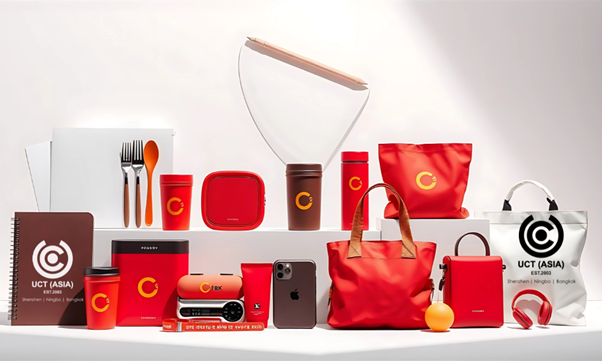
4. Branded Apparel
Organic cotton, recycled polyester, and plant-based fibers redefine what branded clothing represents. Instead of mass-produced garments with high environmental cost, these materials reduce water usage, chemical exposure, and carbon emissions.
A 2023 textile industry analysis found that organic cotton farming can reduce water consumption by up to 91% compared to conventional methods in certain regions.
Clothing also carries identity. When someone wears your brand, they align with its values publicly. That transforms apparel into both a marketing channel and a social signal.
5. Eco-Friendly Disposable Cups
Not all disposable products disappear, but they can evolve. Cups made from recycled paper or compostable materials reduce landfill pressure and lower production emissions.
For coffee-driven businesses, this becomes a high-frequency branding tool. Each cup travels through streets, offices, and public transport systems, multiplying exposure.
The key shift lies in material sourcing. Moving from virgin plastic linings to compostable alternatives aligns convenience with environmental responsibility.
6. Reusable Water Bottles
A reusable bottle can replace hundreds, sometimes thousands, of single-use plastic bottles over time. Environmental studies estimate that widespread adoption of reusable bottles could significantly cut global plastic waste streams.
The durability of stainless steel adds another layer. These bottles often last years, maintaining both function and brand visibility.
Every refill reinforces a behavior shift. Instead of disposal, users participate in a reuse cycle that directly reduces environmental impact.
7. Biodegradable Phone Cases
Phone accessories rarely enter sustainability conversations, yet billions are produced annually. Traditional plastic cases persist for decades, contributing to microplastic pollution.
Plant-based alternatives made from materials like wheat straw or biopolymers break down significantly faster under the right conditions.
This category offers a unique advantage. It connects sustainability with personal technology, a space where users interact constantly. That frequency amplifies brand recall.
8. Natural Candles
Candles made from soy, beeswax, or coconut wax burn cleaner and last longer than paraffin alternatives derived from petroleum.
The environmental benefit combines material sourcing and usage efficiency. Longer burn times reduce replacement frequency, while renewable materials lower overall carbon impact.
There’s also an emotional dimension. Fragrance, ambiance, and design create a sensory connection with the brand, extending engagement beyond functional use.
9. Notebooks
Paper products often carry a hidden environmental cost tied to deforestation and chemical processing. Recycled paper notebooks reduce that impact by lowering demand for virgin pulp and minimizing waste.
They also offer customization opportunities. Covers, layouts, and binding styles allow brands to create products that feel personal rather than generic.
In workplaces and schools, notebooks remain constant companions. That consistency ensures repeated brand interaction over long periods.
10. Eco-Friendly Tech Accessories
Technology and sustainability often seem at odds, yet material innovation is closing that gap. Bamboo casings, recycled plastics, and energy-efficient components redefine how tech accessories are produced.
Wireless headphones and power banks made from sustainable materials maintain performance while reducing environmental impact.
This category targets a high-engagement audience. Tech products integrate deeply into daily routines, making them powerful carriers of brand identity.
Strategic Layer: Why These Products Work
Each item shares three defining characteristics:
- Daily Use Frequency: The more often a product gets used, the more impressions your brand generates
- Material Transparency: Clear sustainable sourcing builds trust and credibility
- Lifecycle Advantage: Reusable or biodegradable design reduces long-term environmental impact
The combination creates a multiplier effect. One product delivers environmental benefits, brand exposure, and behavioral change simultaneously.
Discover Sustainable Merchandise with UCT (ASIA)
Brands that integrate sustainability into merchandise design move beyond surface-level marketing and into measurable impact. The right product doesn’t just carry a logo. It carries a story about responsibility, innovation, and forward thinking.
UCT (ASIA) develops eco-friendly merchandise that aligns material selection, product design, and branding strategy. From biodegradable packaging to reusable everyday items, each product supports both environmental goals and brand growth.
Looking to transform your merchandise into something people actually use, keep, and associate with positive impact? The right sustainable merchandise ideas help your brand move beyond short-term promotion and into long-term visibility, where every product reinforces your commitment to environmental responsibility while staying relevant in your customers’ daily lives.