
The Evolution of Baseball Merchandise: From Team Caps to High-Tech Gear
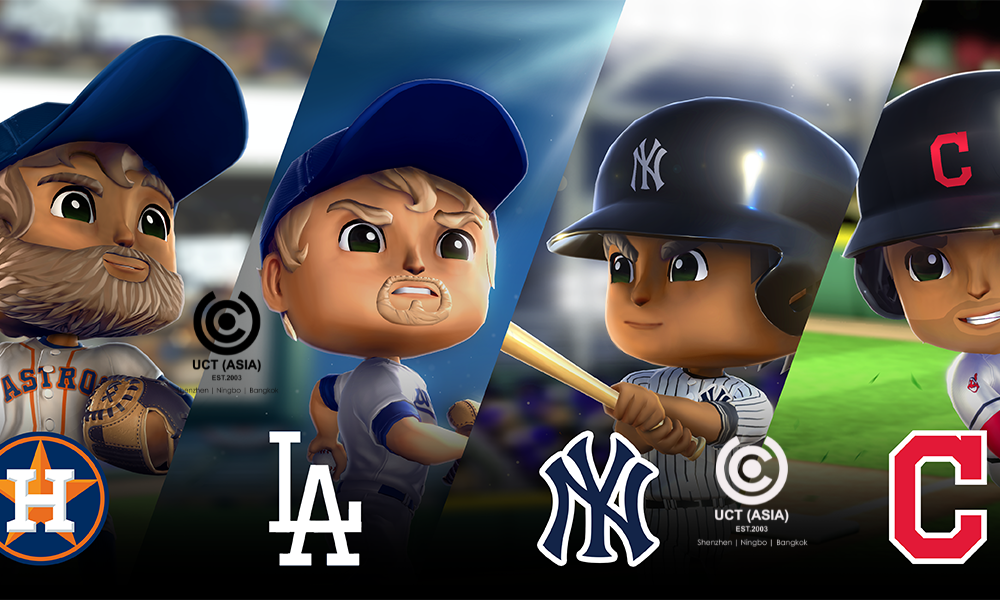
Walk into any stadium in the early 1900s and you would notice something simple yet powerful. A few fans wearing caps, maybe a handmade jersey, each item carrying emotional weight far beyond its material value. Those early pieces didn’t just represent teams. They signaled belonging, loyalty, and shared identity. Over time, that symbolic layer transformed into something far more complex, merging culture, commerce, and technology into what now stands as a multi-billion-dollar global industry.
What changed between those early days and today’s smart, interactive merchandise? The answer sits at the intersection of manufacturing innovation, licensing systems, cultural influence, and digital transformation.
1. Early Foundations: Function Before Fashion
Baseball merchandise started as an extension of the game itself rather than a standalone product category. Players and fans relied on items that prioritized function, durability, and accessibility.
Wooden bats dominated early equipment design, while gloves only became widely adopted later as gameplay evolved and safety concerns increased. Uniforms, often made from heavy wool, absorbed sweat and heat but delivered durability that teams needed. Caps served a practical role by shielding players’ eyes from sunlight, yet they quickly became identifiers of team affiliation.
Fans mirrored this simplicity. Some stitched their own jerseys, others wore basic caps, and many relied on improvised items to show support. There was no mass production system, no standardized branding, and certainly no global distribution network.
Then a structural shift occurred. Licensing entered the picture.
2. Licensing and Commercialization: Turning Loyalty Into Revenue
Once teams and leagues realized that fan identity could translate into economic value, merchandise moved from informal production to structured commercialization. Licensing agreements allowed manufacturers to produce official gear at scale while paying royalties to teams.
This shift created a chain reaction.
- Mass production reduced costs, making merchandise accessible to wider audiences
- Standardized branding strengthened team identity across regions
- Retail distribution expanded beyond stadiums into department stores and global markets
Historical licensing programs laid the groundwork for what now operates as a sophisticated ecosystem involving intellectual property rights, supply chains, and authentication systems. Major League Baseball, for example, later introduced hologram-based authentication to verify official merchandise, reinforcing trust and value in the market.
Grand View Research reports that the global sports merchandise market reached 36.36 billion dollars in 2024 and projects it to approach 49 billion dollars by 2030, growing at a steady 5.2 percent annually. This growth reflects more than demand. It reflects how effectively merchandise evolved into a core revenue engine.
3. From Stadium to Street: The Cultural Shift

By the late 20th century, baseball merchandise stepped out of the stadium and into everyday life. Jerseys were no longer reserved for game day. They appeared in grocery stores, gyms, music videos, and urban streetwear scenes.
Why did this shift happen?
Athletes began influencing fashion trends. Their personal style extended beyond performance into lifestyle branding. At the same time, media exposure amplified their visibility, turning players into cultural icons.
Fans responded by reshaping how they engaged with merchandise. Instead of wearing gear solely to support a team, they used it to express identity, taste, and social belonging. A jersey became part of an outfit. A cap became a fashion statement.
Retail brands recognized this shift and collaborated with sports franchises, blending athletic identity with streetwear aesthetics. This fusion blurred the lines between sports merchandise and mainstream fashion, expanding its relevance across demographics and geographies.
4. Technology Integration: The Rise of Smart Merchandise
Fast forward to today and merchandise no longer stops at physical design. Technology now defines how fans interact with products.
Modern baseball merchandise introduces features that extend beyond appearance:
- Smart fabrics regulate temperature and moisture, improving comfort and usability
- Embedded sensors track movement and performance in training gear
- Augmented reality features allow fans to scan items and relive iconic plays
- Digital collectibles provide verifiable ownership through blockchain systems
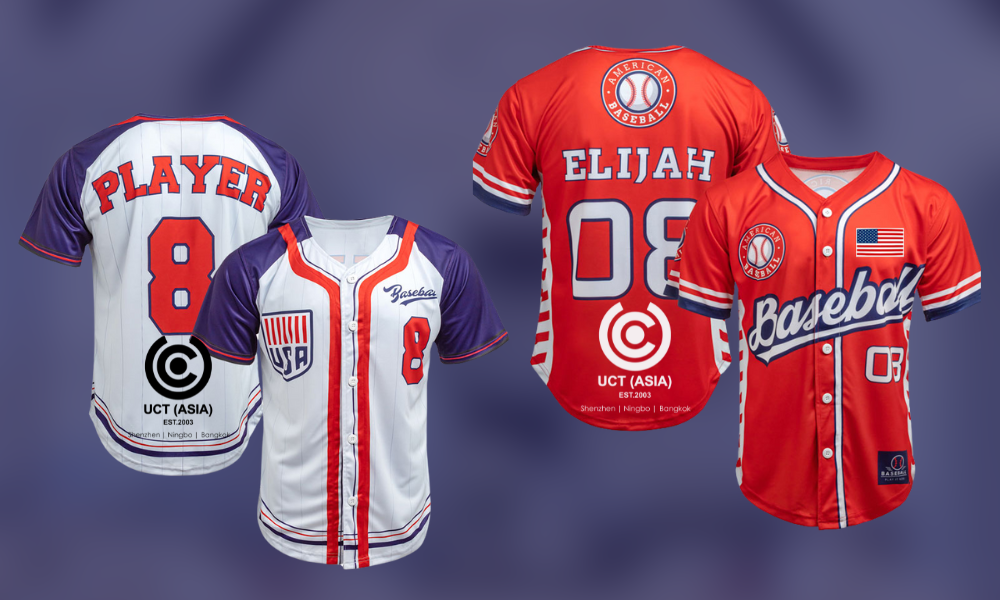
Consider how this changes the experience. A cap no longer just represents a team. It can stream audio, respond to sunlight, or connect to mobile apps. A jersey no longer just displays a name. It can be customized, ordered online, and delivered within days with precise personalization.
This evolution shifts merchandise from static products to interactive platforms. Fans don’t just wear items. They engage with them.
5. The Digital Ownership Layer: NFTs and Beyond
Digital transformation introduced a new category of merchandise that doesn’t exist physically at all. NFTs, or non-fungible tokens, allow fans to own unique digital assets tied to teams, players, or historic moments.
These assets create scarcity and exclusivity in ways traditional merchandise cannot. Ownership becomes verifiable, transferable, and collectible across digital ecosystems.
At the same time, augmented reality bridges physical and digital experiences. Imagine scanning a baseball card and watching a legendary home run unfold in front of you. This combination of storytelling and technology deepens emotional engagement while opening entirely new revenue streams for brands.
6. The Merchandise Value Chain: A System Behind the Scenes
To understand why this evolution matters, look at the structure supporting it. Modern merchandise operates within a multi-layered system:
1. Intellectual Property Creation
Teams, leagues, and players generate brand value through performance and storytelling
2. Licensing & Partnerships
Manufacturers gain rights to produce official merchandise
3. Production & Innovation
Materials, design, and technology shape product differentiation
4. Distribution Channels
E-commerce, retail stores, and global logistics networks deliver products
5. Fan Engagement
Marketing, social media, and digital platforms sustain demand
Each layer reinforces the others. A breakthrough in technology enhances product appeal, which increases demand, which strengthens brand equity, which attracts more partnerships.
7. Why This Evolution Changes Business Strategy
Merchandise no longer functions as a side offering. It acts as a strategic growth engine.
When customers wear branded products, they extend the brand’s presence into everyday environments. This creates continuous visibility without additional advertising costs. A single cap worn daily can generate hundreds of impressions over time.
It also builds emotional attachment. Owning merchandise connects customers to experiences, memories, and communities. That connection drives repeat purchases and long-term loyalty.
More importantly, merchandise creates recurring revenue opportunities. Unlike one-time services, physical and digital products can be refreshed, redesigned, and re-released, keeping the brand relevant across seasons and trends.
Ask yourself this. Is your brand creating products people use once, or items they carry into their daily lives?
8. The Future: Where Baseball Merchandise Is Heading
Looking ahead, several trends continue shaping the next phase:
- Hyper-personalization powered by AI-driven design tools
- Integration with wearable technology ecosystems
- Expansion of digital merchandise in virtual environments
- Sustainability through recycled and performance-enhanced materials
These developments push merchandise further into experience-driven territory. Products will not only represent identity but actively respond to user behavior and preferences.
Take Your Merchandise Strategy Further
Brands that recognize this shift early position themselves ahead of competitors. The opportunity lies in creating merchandise that goes beyond function and taps into identity, culture, and technology simultaneously.
At UCT (Asia), the focus centers on building merchandise that achieves exactly that. From concept to production, the goal involves creating items that people don’t just use but integrate into their lifestyles, conversations, and digital interactions.
If you’re planning your next campaign or scaling your brand presence, the question becomes clear. Are you offering products, or are you building experiences people carry with them every day?
The evolution of baseball merchandise shows that the right product can transform visibility, loyalty, and revenue into a continuous growth system.