
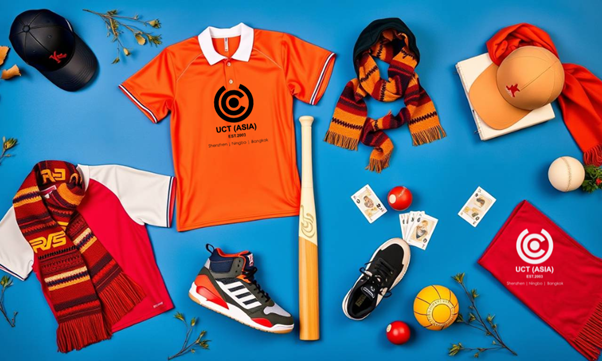
Sports merchandise has undergone a remarkable transformation over the past century. What began as simple fan apparel has evolved into a multi-billion-dollar global industry that blends culture, technology, and personal identity. Today, sports merchandise is no longer limited to jerseys or souvenirs. It represents loyalty, status, and even investment potential.
This evolution reflects broader changes in consumer behavior. Fans no longer just support teams. They express who they are through what they wear, collect, and share.
The Early Days: Where Sports Merchandise Began
The origins of sports merchandise date back to 1869 with the Cincinnati Red Stockings, widely recognized as the first professional baseball team. Around this time, baseball cards emerged as one of the earliest forms of memorabilia, often included in cigarette packs as promotional items.
These early collectibles were simple. Fans valued them as keepsakes rather than investments. Apparel followed a similar pattern. Supporters wore handmade scarves, wool jerseys, and basic accessories to show loyalty.
There were no official licensing systems. No global distribution. Just passion translated into physical form.
The Post-War Boom: From Passion to Industry
After World War II, everything changed. Economic growth and expanding sports leagues created new opportunities for commercialization. Mass production made team merchandise more accessible, while radio and television broadcasts built national fanbases.
For the first time, sports merchandise became widely available and officially licensed. Jerseys, caps, and branded gear moved beyond stadiums and into everyday life.
This period laid the foundation for what would become a global industry. Fans were no longer just spectators. They became consumers participating in a growing ecosystem.
The Modern Era: Sports Merchandise as Lifestyle Branding
Today’s sports merchandise industry looks entirely different. According to market data, it reached $36.36 billion in 2024 and is projected to grow to $49 billion by 2030.
A major turning point came through athlete partnerships. When Nike collaborated with Michael Jordan in 1984, it redefined what merchandise could be. The Air Jordan line became more than sportswear. It became a cultural symbol generating billions annually.
Brands like Adidas followed with similar strategies, partnering with major football clubs to create apparel that blends sport and streetwear.
The result? Sports merchandise became a form of identity expression. Wearing a jersey or sneakers now communicates style, affiliation, and cultural belonging. 2024-2030
How Major Brands Changed the Game
Two companies fundamentally transformed how fans interact with sports merchandise: Nike and Adidas.
In 1984, Nike signed a rookie basketball player named Michael Jordan to create the Air Jordan line. This partnership did more than sell shoes. It proved that athlete-endorsed products could transcend sports and become cultural phenomena. The Air Jordan line has generated over $5 billion annually in recent years, according to Nike financial reports.
Adidas followed a similar path, partnering with football clubs like Real Madrid and Manchester United to create lifestyle streetwear that fans wear daily, not just to matches. These collaborations blurred the line between sports gear and fashion.
The result? Sports merchandise became identity expression. Wearing a team jersey no longer simply showed which team you supported. It signaled your personal style, your cultural affiliations, and even your social status.
The Digital Revolution: Access and Personalization
The rise of e-commerce reshaped how fans interact with sports merchandise. Previously, fans relied on stadium stores or catalogs with limited options. Today, they can access global products instantly.
This shift also introduced personalization at scale. Fans can now customize jerseys with names, numbers, and unique designs, turning standard products into personal statements.
Personalization addresses a key desire. Fans want to stand out while still belonging.
The Rise of Collectibles: From Physical to Digital Assets
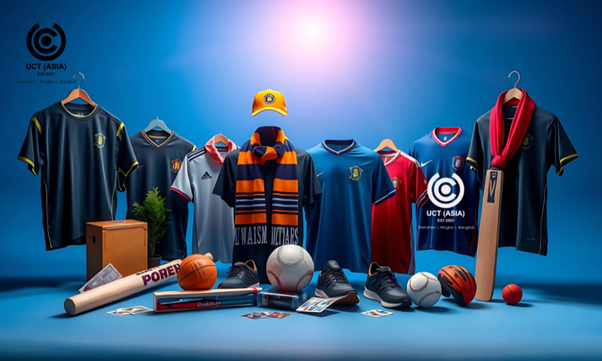
The collectibles market has become one of the most dynamic segments of sports merchandise. Traditional items like autographed jerseys, trading cards, and game-worn equipment continue to hold value based on rarity, condition, and historical significance.
A 1952 Mickey Mantle card sold for $12.6 million, demonstrating how valuable physical memorabilia can become.
Then came digital transformation. NFTs introduced a new category of ownership. Platforms like NBA Top Shot allowed fans to buy and trade digital highlights, generating over $500 million in sales at its peak.
While the NFT market has fluctuated, the concept remains powerful. Digital assets expand what sports merchandisecan be, blending ownership with technology.
The Hybrid Future: Where Physical Meets Digital
The next phase of sports merchandise lies in hybrid experiences. Physical items now connect with digital layers, creating new forms of engagement.
Emerging trends include:
- Digital twins linking physical products to blockchain verification
- Augmented reality features embedded in apparel
- Fan tokens that allow participation in team decisions
- Gamified collectibles integrated into digital platforms
These innovations redefine ownership. A jersey may soon unlock exclusive content or experiences beyond its physical form.
The Asia-Pacific Opportunity: A Growing Market
While North America currently leads the industry, the Asia-Pacific region represents the fastest-growing opportunity for sports merchandise.
Several factors drive this expansion:
- Rising middle-class populations with increased spending power
- Growing popularity of global sports leagues
- High adoption of e-commerce and digital platforms
- Younger, tech-savvy consumers
For brands, this region offers significant potential to expand reach and build new fan communities.
Sustainability: The Next Evolution of Sports Merchandise
Sustainability is becoming a defining factor in the future of sports merchandise. Consumers increasingly expect environmentally responsible products.
Brands are responding with:
- Recycled materials in apparel production
- Carbon-neutral manufacturing initiatives
- Circular programs that recycle used merchandise
- Reduced and eco-friendly packaging
These practices align with shifting consumer values and reshape how merchandise is designed and produced.
Build Meaningful Sports Merchandise with UCT (Asia)
Creating impactful sports merchandise today requires more than branding. It demands an understanding of identity, technology, and long-term engagement. The most successful products are those that connect emotionally, function practically, and evolve with consumer expectations.
At UCT (Asia), we help brands develop high-quality sports merchandise that reflects these shifts. From collectible memorabilia to customized and sustainable products, each solution is designed to strengthen connection, visibility, and value in an increasingly competitive market.