
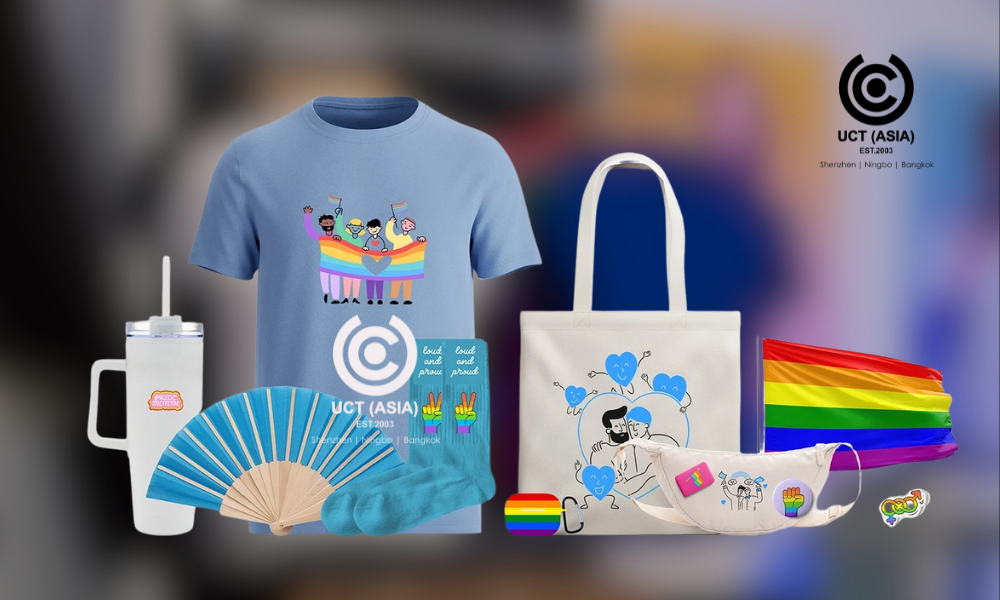
Quick Take: Pride merchandise isn’t just rainbow swag it’s a powerful tool for building community, sparking conversations, and showing genuine support. Whether you’re a business looking to connect with the LGBTQ+ community or an individual wanting to celebrate authentically, here’s everything you need to know about making Pride merchandise that actually matters.
The Story Behind Pride Merchandise: From Protest to Celebration
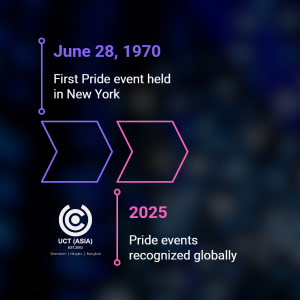
Picture this: June 28, 1970. Thousands of LGBTQ+ people march through New York City, demanding equal rights and visibility. The first Pride parade wasn’t about selling t-shirts it was about survival, dignity, and being seen.
Fast forward 55 years, and Pride has evolved into a global phenomenon. But here’s the thing: Pride merchandise still carries that original spirit of visibility and belonging. When someone pins a rainbow flag to their backpack or slips on a Pride bracelet, they’re continuing a tradition that started with those first brave marchers.
Did you know? Pride Month wasn’t officially recognized until 1999 when President Clinton declared June as National Pride Month. Obama expanded it in 2009, and Biden continued the tradition. But the merchandise? That’s been part of the movement since day one.
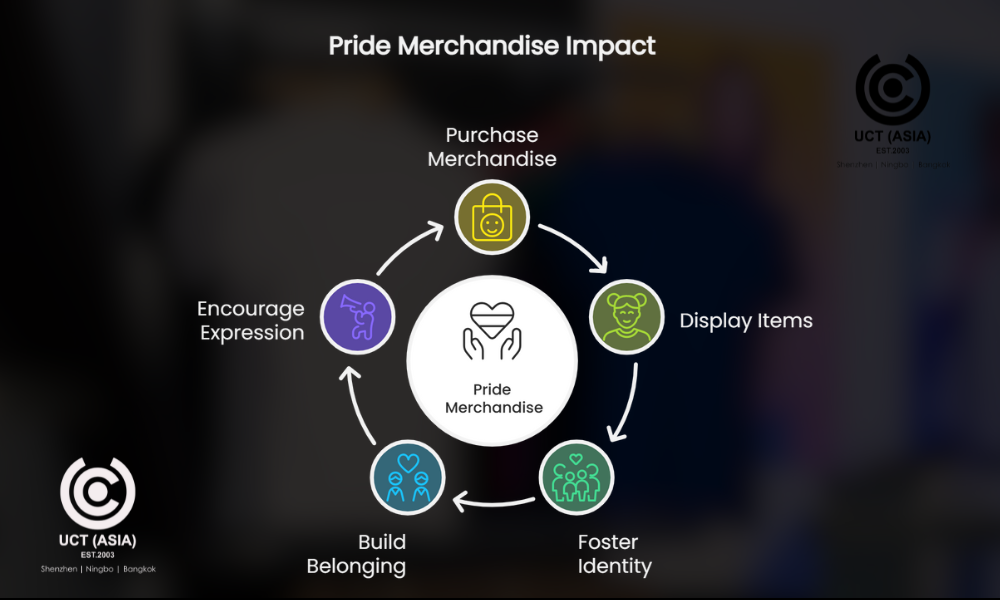
Why Pride Merchandise Actually Matters (Beyond the Rainbows)
1. It Creates Instant Community Connections
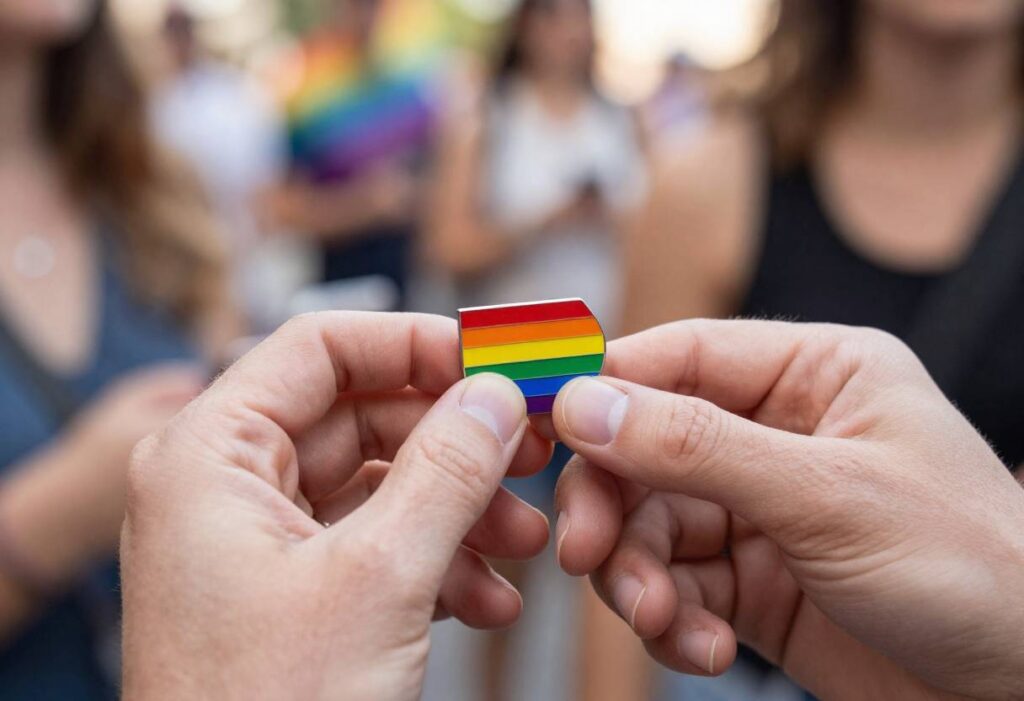
Ever spotted someone wearing the same Pride pin as you across a crowded room? That flash of recognition that’s community in action.
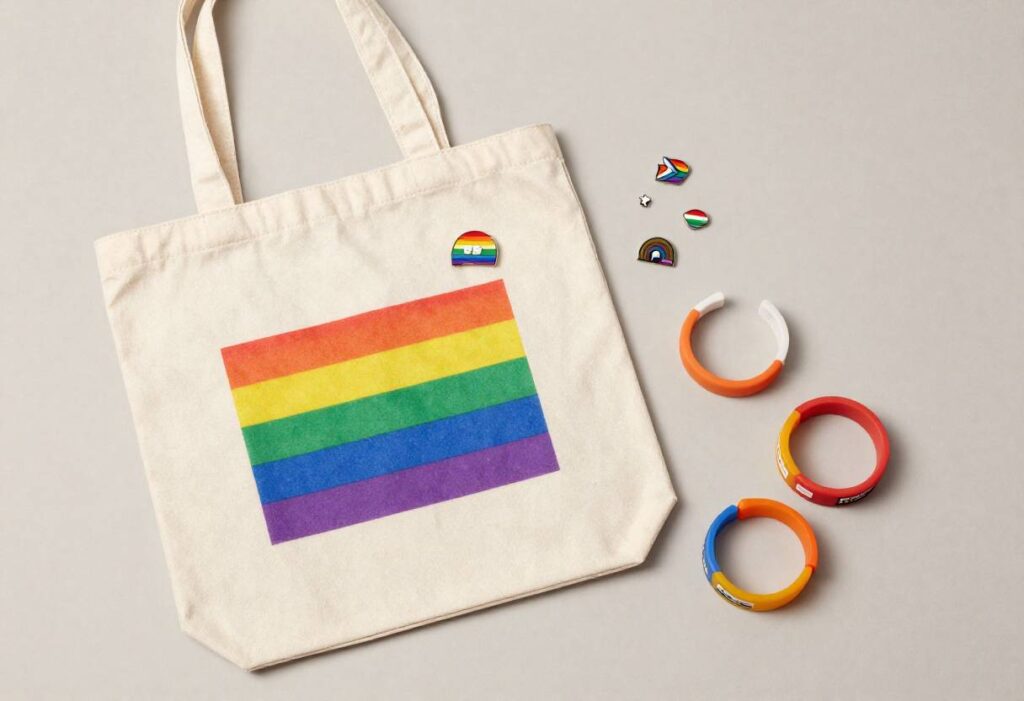
Pride merchandise works like a visual handshake. A rainbow tote bag, a trans pride lanyard, or even subtle pronoun pins signal “you’re safe here” without saying a word. For LGBTQ+ folks who might not have supportive families or live in less accepting areas, these small symbols can be lifelines.
The data backs this up: When people wear or display Pride items, they’re 3x more likely to report feeling connected to the broader LGBTQ+ community, according to community surveys.
2. It Starts Conversations That Change Minds
Here’s where Pride merchandise gets really interesting it doesn’t just speak to the LGBTQ+ community. It speaks *about* the community to everyone else.
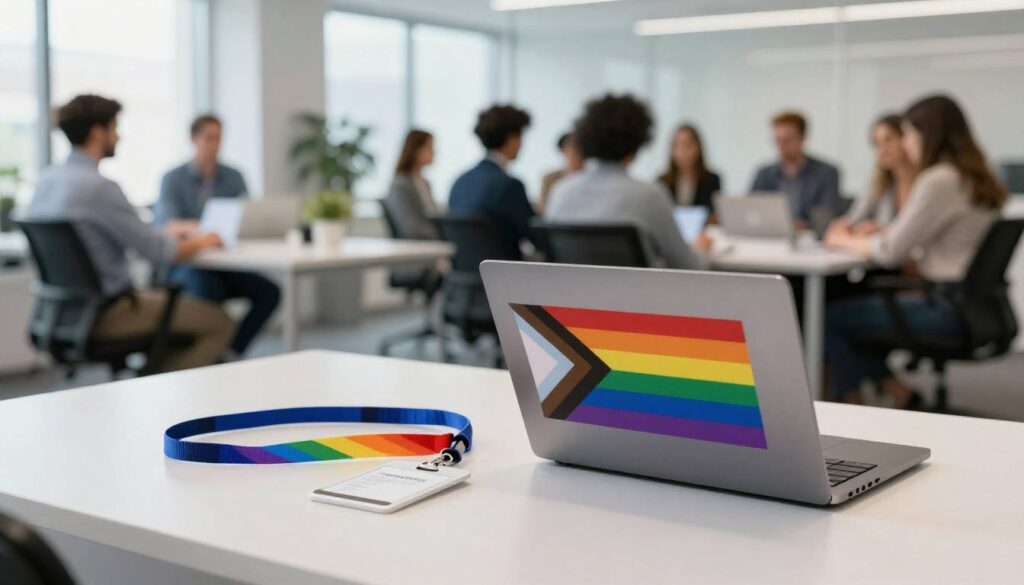
A “Love is Love” mug on your desk at work? That’s an opening for coworkers to ask questions. A rainbow laptop sticker? That’s visibility that normalizes LGBTQ+ presence in everyday spaces.
These conversations matter because they happen organically. Unlike formal diversity training (which has its place), Pride merchandise creates casual moments where understanding can grow naturally.
3. It Puts Money Where Your Mouth Is
Let’s talk numbers. The most effective Pride merchandise programs don’t just slap a rainbow on a product and call it a day they actually fund LGBTQ+ causes.
Case in point:
- Levi’s “Meet You In the Park” collection has donated millions to LGBTQ+ organizations
- MAC Cosmetics’ VIVA GLAM line has raised over $500 million for HIV/AIDS programs
- The Trevor Project partnerships with brands like Abercrombie & Fitch fund suicide prevention services for LGBTQ+ youth
When businesses create Pride merchandise with genuine give-back components, they’re not just selling products they’re sustaining the organizations that support the community 365 days a year.
4. It Shows Where Companies Actually Stand
In 2025, rainbow-washing is under serious scrutiny. After several high-profile cases of companies releasing Pride collections while donating to anti-LGBTQ+ politicians, consumers are demanding authenticity.
The latest data tells the story:
- 66% of global consumers say they’re willing to spend more on brands that support social causes (Nielsen)
- But 39% of brands are reducing Pride marketing in 2025 due to political backlash concerns (Gravity Research)
- Pride promotional product searches have dropped over 50% since 2023 (ASI Central)
This means the companies still showing up for Pride in 2025? They’re making a deliberate choice to stand with the LGBTQ+ community even when it’s not the easy option. That’s the kind of brand loyalty you can’t fake.
Pride Merchandise in 2025: What’s Actually Working
The Shift from “Rainbow Everything” to Targeted Impact
The most successful Pride merchandise programs in 2025 share some common traits:
✅ Year-Round Support, Not Just June
The best brands don’t disappear on July 1st. They maintain LGBTQ+ partnerships and visibility throughout the year. Pride merchandise is part of a broader commitment, not a seasonal cash grab.
✅ Specific Cause Connections
Instead of vague “support” messaging, leading brands tie products to specific organizations. “This shirt funds The Trevor Project’s crisis counseling” hits different than “Pride Collection 2025.”
✅ Community Input
Forward-thinking companies are consulting LGBTQ+ employees and community members before designing Pride merchandise. The result? Products that actually resonate rather than stereotype.
✅ Transparency About Impact
How much actually goes to LGBTQ+ causes? The most trustworthy brands are specific: “50% of proceeds fund…” or “$10 per item donated to…”
How to Create Pride Merchandise That Actually Lands
For Businesses: The Authenticity Checklist
Before you order that rainbow logo merch, ask yourself:
1. Does your internal culture match your external message? If your LGBTQ+ employees don’t feel supported, don’t launch a Pride collection.
2. Are you partnering with LGBTQ+ organizations? The best Pride merchandise programs involve actual community organizations in design, promotion, and funding.
3. Is there a real give-back component? Donating proceeds isn’t just nice it’s expected now.
4. Will this exist beyond June? Consider how your Pride merchandise fits into year-round diversity initiatives.
5. Are you ready for feedback? The LGBTQ+ community will call out rainbow-washing. Be prepared to listen and adapt.
For Individuals: Choosing Meaningful Pride Merchandise
Not all Pride swag is created equal. Here’s how to shop smart:
- Look for small businesses and LGBTQ+-owned brands platforms like Boy Smells and independent Etsy sellers often put more care into their designs
- Check where the money goes “portion of proceeds” is vague; specific percentages and partner organizations are better
- Consider the message does the design reflect your identity or the community you want to support?
- Think beyond June Pride merchandise that works year-round shows deeper commitment
The Business Case for Pride Merchandise (That Goes Beyond the Balance Sheet)
Let’s be real: businesses don’t invest in Pride merchandise purely out of altruism. And that’s okay when it’s done right, Pride merchandise creates genuine value for everyone involved.
For companies, Pride merchandise can:
- Build brand loyalty among LGBTQ+ consumers and allies (a combined market of millions)
- Attract and retain diverse talent who want to work for inclusive employers
- Differentiate from competitors in crowded markets
- Create positive PR and social media engagement
- Align with corporate ESG (Environmental, Social, Governance) goals
But and this is crucial these benefits only materialize when the commitment is genuine.
Consumers can smell rainbow-washing from miles away. In 2025, a poorly executed Pride campaign does more harm than no campaign at all.
Pride Merchandise in the Asia-Pacific Context
Here’s something the major Western coverage of Pride merchandise often misses: the Asia-Pacific region has its own unique Pride landscape.
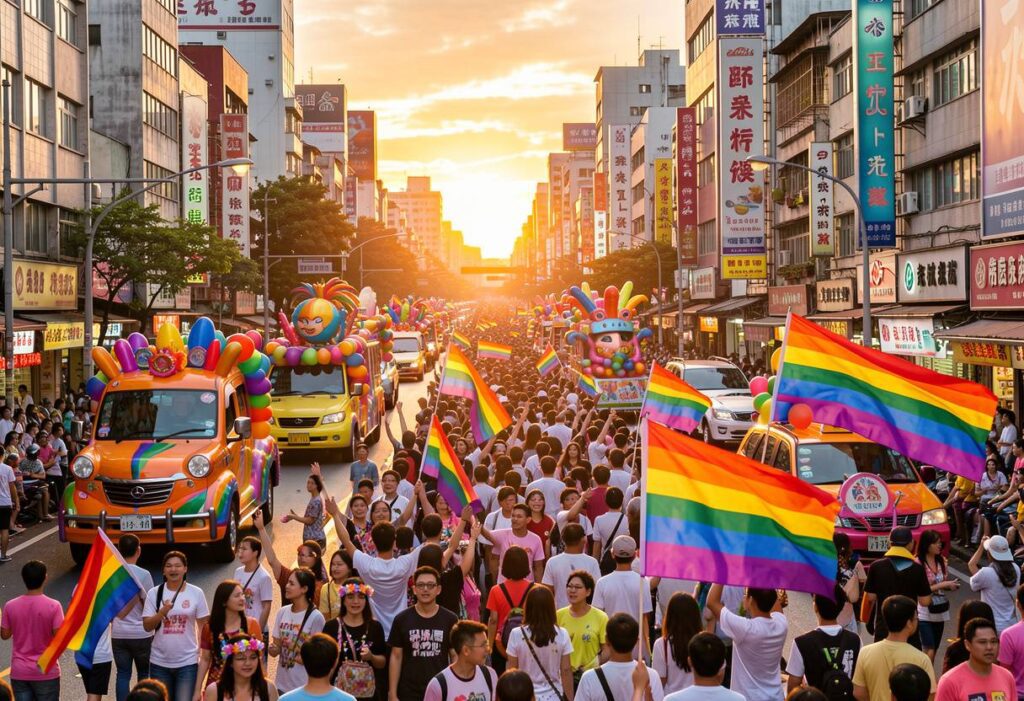
In countries like Thailand, Taiwan, and Vietnam, Pride events are growing rapidly. But the approach to Pride merchandise differs from Western markets:
- Cultural nuances matter symbols and messaging that work in San Francisco might not resonate in Singapore
- Legal contexts vary in some Asia-Pacific countries, overt LGBTQ+ visibility carries different risks
- Local manufacturing many global Pride merchandise programs source from Asia-Pacific suppliers, creating economic opportunities within the region
For businesses operating in Asia-Pacific markets, understanding these local contexts is essential for creating Pride merchandise that genuinely connects rather than alienates.
Frequently Asked Questions About Pride Merchandise
Q: When did Pride merchandise first become popular?
A: Pride merchandise has been part of the movement since the 1970s, but it really exploded in the commercial sense during the 1990s and 2000s as Pride events grew into major cultural festivals. The modern wave of corporate Pride merchandise took off around 2015-2016.
Q: What’s the difference between authentic Pride support and rainbow-washing?
A: Authentic support includes year-round LGBTQ+ policies, partnerships with LGBTQ+ organizations, employee resource groups, and transparent give-back programs. Rainbow-washing is when companies release Pride merchandise while lacking internal LGBTQ+ inclusion or actively supporting anti-LGBTQ+ causes/politicians.
Q: How much of Pride merchandise sales typically go to LGBTQ+ causes?
A: It varies widely. Some companies donate 100% of proceeds; others donate a specific dollar amount per item (like $5 per t-shirt). The key is transparency vague “portion of proceeds” language is a red flag. Look for specific percentages or dollar amounts.
Q: Are consumers actually buying Pride merchandise in 2025?
A: The market has shifted. While overall promotional Pride product searches have dropped 50%+ since 2023 (per ASI Central), consumers are being more selective. They’re prioritizing brands with authentic year-round commitments over seasonal rainbow collections.
Q: What types of Pride merchandise are most popular?
A: Apparel (t-shirts, hats, pins) remains the most popular category, followed by accessories (bags, lanyards, stickers). In the B2B/promotional space, custom Pride items for corporate events and employee programs are growing.
Q: How can small businesses participate in Pride merchandise without a big budget?
A: Small businesses can partner with LGBTQ+ organizations for limited collaborations, donate a percentage of existing product sales during Pride month, or create small-batch custom items. Even modest efforts, when authentic, resonate with consumers.
Q: What should companies avoid when creating Pride merchandise?
A: Avoid: stereotypical or outdated LGBTQ+ imagery, vague “ally” messaging without action, one-size-fits-all approaches that ignore diverse LGBTQ+ identities, and treating Pride as purely a marketing opportunity. Also avoid partnering with organizations that have anti-LGBTQ+ histories.
Q: Is Pride merchandise only relevant during June?
A: Not at all! The most impactful Pride merchandise strategies are year-round. Many LGBTQ+ organizations need funding and visibility outside of Pride Month, and community members appreciate support that doesn’t disappear on July 1st.
- Learn more about how Pride merchandise has evolved over the decades“
- Discover limited-edition collection strategies that work
- Explore custom promotional items for your brand
Bottom Line: Making Pride Merchandise That Matters
Pride merchandise represents more than branding it symbolizes inclusion, identity, and community support. When brands approach Pride initiatives authentically and thoughtfully, merchandise becomes a powerful medium for expressing solidarity and strengthening emotional bonds with diverse audiences.
As a strategic promotional merchandise supplier, UCT (Asia) works closely with brands to develop Pride merchandise programs that are respectful, meaningful, and impactful. Through thoughtful design and responsible production, we help brands foster awareness while reinforcing their commitment to inclusivity and community engagement.