
Over the past two decades, consumer behaviour has seen major changes. More people now prefer to see, touch, and feel before they believe. They now want real-life experiences, unplanned interactions, and authenticity.
That’s what experiential marketing is all about. It’s a process for brands to connect with consumers through experiences. These experiences are personal to the consumers and create memorable moments that connect them to the brand.
In this post, we’ll discuss interactive branded toys as a powerful tool for creating unique experiences that connect your brand to customers in a way that traditional items often cannot.
What Exactly Are Interactive Branded Toys?
Interactive branded toys are promotional items that invite engagement. You see them, you become curious, and you want to participate.
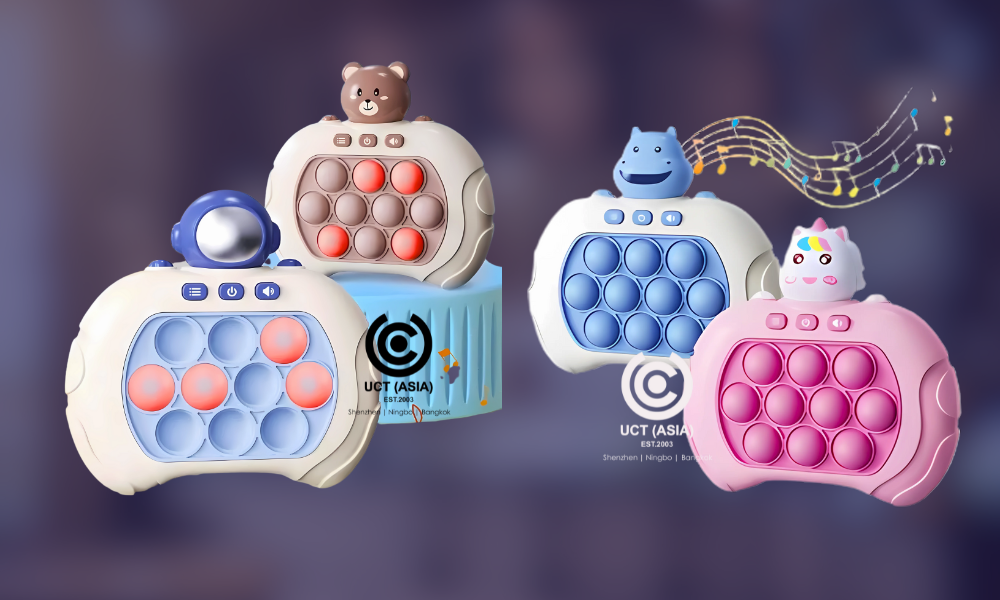
Perfect examples of these toys include pop-up games tied to a campaign, buildable puzzles, and light-up toys that react to touch and motion.
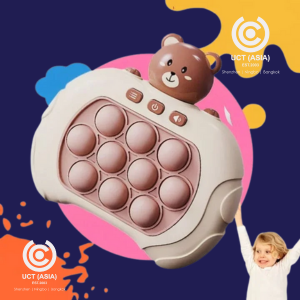
Now imagine these toys bearing your brand’s identity. Yes, that’s an interactive branded toy.
These toys not only expose your brand but also provide your customers with unforgettable experiences that deeply connect them to your brand.
Interactive Branded Toys as the Next Evolution of Branded Merchandise
Branded merchandise has long focused on visibility. A logo printed on a bottle, notebook, or tote bag keeps a brand present, but presence alone no longer guarantees impact. As branded merchandise becomes more saturated, many items fade into the background because they look, feel, and function like everything else.
Interactive branded toys shift branded merchandise from passive visibility to active participation. Instead of simply displaying a logo, these items invite people to press, build, trigger, solve, or respond. Each action creates a moment of attention, and attention is what drives memory. When branded merchandise earns repeated interaction rather than a single glance, its value increases significantly.
From a category standpoint, interactive toys represent a strategic upgrade rather than a novelty. Traditional merchandise occupies space. Interactive merchandise occupies time. A notebook may be used occasionally, but a toy that reacts to touch or movement sparks curiosity, conversation, and repeat engagement. Those repeated moments compound brand recall in ways static items rarely achieve.
For marketing and brand teams, this evolution aligns directly with experiential goals. Interactive branded toys support longer dwell time at events, stronger emotional connection, and extended post-campaign exposure. They do not replace conventional merchandise entirely, but they raise the performance ceiling of branded merchandise when differentiation, engagement, and memorability matter most.
Why Marketing and Procurement Teams Are Reconsidering Their Merchandise Mix
Choosing branded merchandise is no longer only a creative decision. It is a budget, logistics, and ROI conversation. Marketing managers need assets that justify spend through engagement, while procurement teams look for items that scale reliably without quality or compliance issues.
Interactive branded toys address both sides of that equation. While the unit cost can be higher than basic giveaways, the cost per meaningful interaction often drops significantly because the item stays in use longer and generates repeated exposure. A toy that remains in a household or workspace for weeks delivers value long after a trade show or campaign ends.
Scalability also improves when interactive merchandise is designed with purpose. Modular designs, durable materials, and simple interaction mechanics allow brands to deploy these items across events, retail promotions, and seasonal campaigns without redesigning from scratch. For teams tasked with standing out while staying within operational constraints, this balance is increasingly difficult to ignore.
How Interactive Toys Increase Brand Recall and Booth Traffic
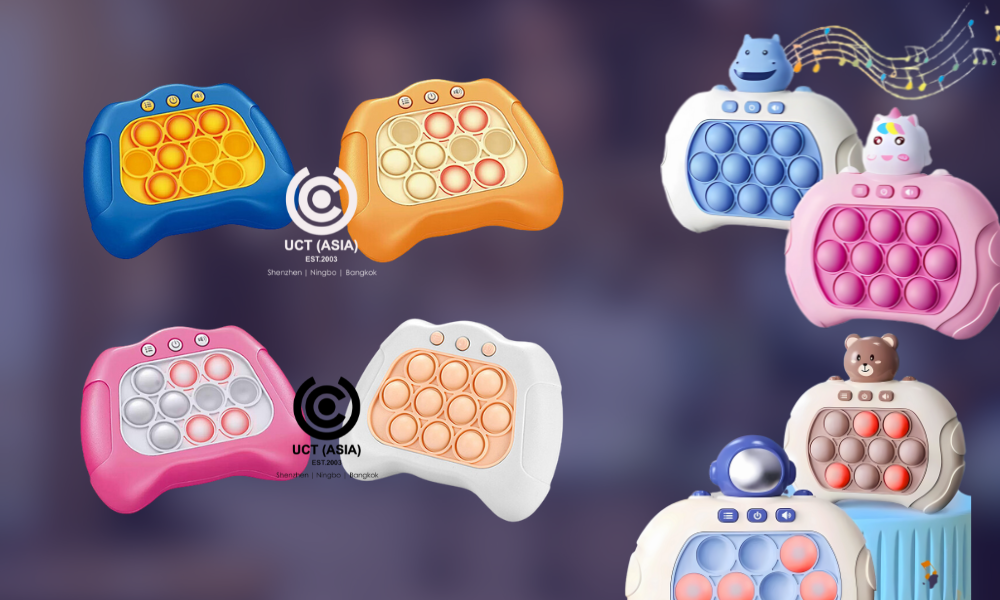
Let’s say you’re at a trade show. You walk from booth to booth, but they all look the same. Branded water bottles here, printed notebooks there. Then, you see a crowd gathering. When you check to see what’s going on, it turns out one brand is giving out toy robots that respond to voice commands. Now, which brands will you remember?
That’s the power of interactive brand merchandise.
It brings people closer to your brand, engaging them and also entertaining them. So when you give your customers something that does all these things, what do you think will happen? They’ll remember your brand and connect with it. And there’s no better way to stand out.
Why Interactive Toys Are the Smart Choice for Branded Merchandise
Here’s why leading brands are betting on interactive toys:
- Memorability: A toy that lights up, speaks, or moves stands out from the typical branded items.
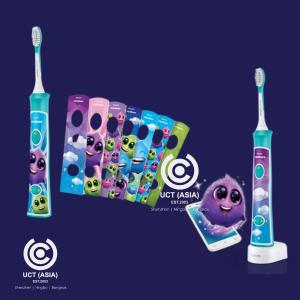
- Educational and meaningful: Toys can teach valuable lessons or reinforce important messages. For example, if you’re in the health industry targeting families with children, you can offer interactive toothbrushes that encourage two-minute brushing. This sets you apart and gets you free publicity.
- Emotional value: Play makes people happy. And that happiness is what makes them want to associate with your brand.
- Extended use: A child may play with a branded toy for weeks, which keeps your brand in the limelight repeatedly.
What Brands Often Overlook When Choosing Interactive Merchandise
Interactive branded toys deliver higher engagement, but they also introduce a layer of complexity that traditional promotional items rarely face. Unlike static merchandise, interactive products must be designed to withstand repeated use, meet safety expectations, and function consistently across environments.
Sourcing and manufacturing matter because interaction exposes weaknesses quickly. A button that fails, a light that stops working, or a mechanism that breaks after limited use damages brand perception instead of enhancing it. Durability, material selection, and internal components all influence how long the product remains in circulation and how positively it reflects on the brand.
Customization also plays a bigger role. Interactive merchandise needs branding that integrates with the experience rather than interrupting it. Placement of logos, color usage, and interaction flow must work together, not compete. Cost control depends on getting these decisions right early, before tooling, compliance checks, and production runs begin.
This is why interactive branded toys work best when they are developed with a branded merchandise agency like UCT (Asia), where interaction design, durability, and scalable production are treated as part of the brand experience, not afterthoughts.
If you’re exploring interactive branded toys for your next campaign, reach out to UCT (Asia) to discuss how the right concept, materials, and manufacturing approach can turn branded merchandise into a lasting brand experience.