
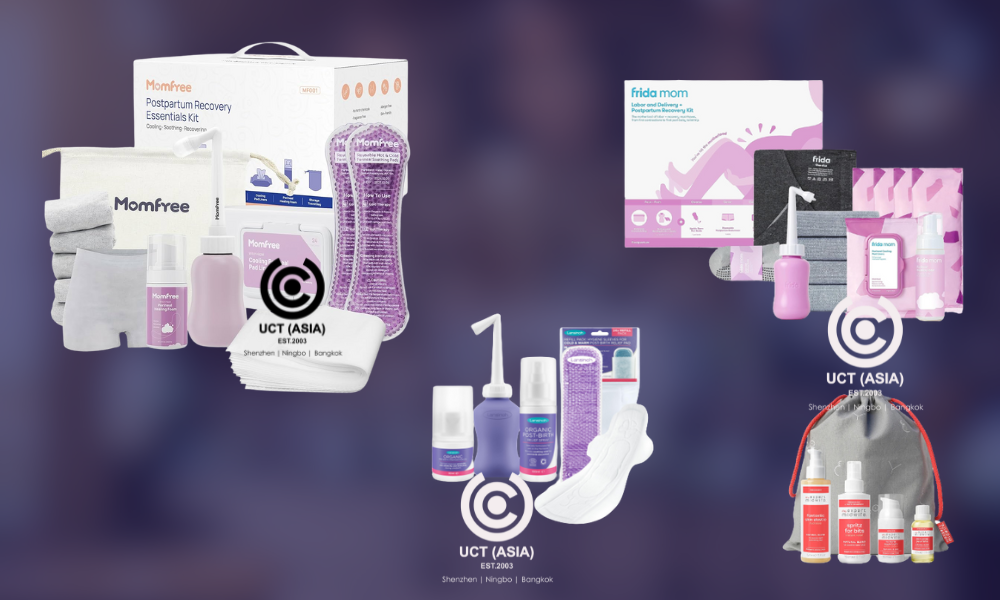
Many patients leave the hospital relieved to go home but also anxious. They wonder: am I ready, do I have what I need, who will support me once I leave? Hospitals increasingly recognize that discharge is not the end of care. The post treatment period is a delicate transition. Because of this, many hospitals now use post discharge care kits, also called recovery kits, to help patients feel supported, prepared, and confident once they return home.
These kits are reshaping how hospitals approach recovery, patient satisfaction, and long term trust.
Why the Transition Period After Discharge Needs Support
The period immediately after discharge is often vulnerable. Many patients struggle with instructions, medications, wound care, or recognizing early warning signs of complications. Without clear support, this space between hospital and home becomes stressful and confusing.
Patients often leave with paperwork, but not always with the tools or clarity needed to manage recovery. A gap forms between what the hospital provided and what the patient can realistically do on their own. Transitional support helps close that gap and gives patients a better chance at safe, confident recovery.
What Effective Post Discharge Support Looks Like
Research points to several components that improve recovery after discharge. These include clear communication, straightforward instructions, practical tools, and structured follow up. Transitional care programs that combine planning, education, and support often reduce complications and help patients stay on track with their treatment plans.
However, not every intervention works the same for every patient. Some benefit most from hands on guidance, while others need reminders, clear instructions, or tools they can use independently. Tailoring support to the patient makes the biggest difference.
How Recovery Kits Strengthen the Patient Experience
Recovery kits combine many of these proven strategies into a single, tangible experience. They go beyond paperwork and turn discharge into a guided continuation of care.
1. Practical Support
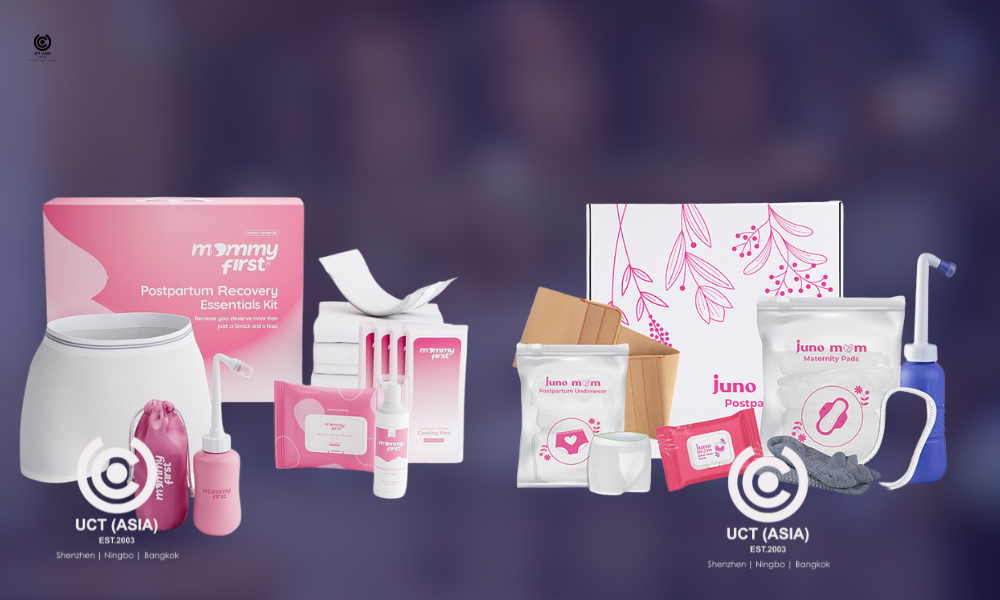
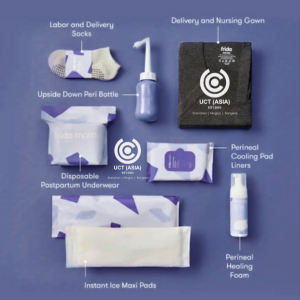
Kits can include wound care supplies, medication organizers, hygiene items, or pain management aids. These items give patients what they need to handle immediate post discharge challenges.
2. Clear Instructions
Placing easy to read care instructions, checklists, and contact information inside the kit helps patients follow their care plan with confidence. This reduces confusion about medication timing, wound care steps, or follow up appointments.
3. Emotional Comfort
Including thoughtful items like a water bottle, a soft blanket, or a recovery journal gives patients a human touch. These items remind them that the hospital sees them as people, not just cases.
4. Coordination for Family or Caregivers
A centralized kit helps caregivers understand the plan quickly and gives them everything they need in one place.
5. Trust and Brand Value
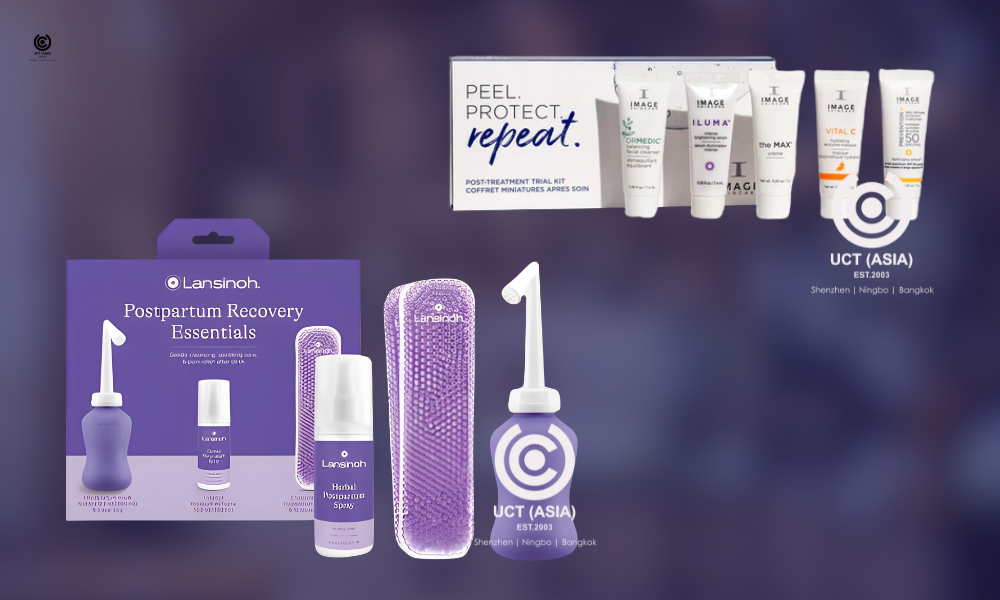
When patients see that the hospital invests in their comfort and recovery at home, trust increases. This strengthens loyalty and influences how they talk about their experience.
Why Hospitals Benefit Clinically and Strategically
Hospitals that adopt recovery kits often see advantages that go beyond patient satisfaction.
- Clinical teams gain a structured way to reinforce instructions.
- Patients are better equipped to follow their care plan.
- Emergency returns may decrease when fewer complications occur.
- The hospital strengthens its identity as a supportive, patient centered provider.
In a competitive healthcare environment, small moments of continued care create memorable experiences and meaningful differentiation.
How to Design an Effective Recovery Kit
Hospitals can follow this evidence aligned checklist to create a kit that delivers real value:
| Kit Component | Purpose |
| Wound care and hygiene supplies | Reduce risk of infection and complications |
| Pain relief items or medication organizers | Support adherence and symptom management |
| Simple discharge instructions and contact numbers | Reduce uncertainty and clarify next steps |
| Recovery timeline or follow up reminders | Help patients stay on schedule |
| Comfort items such as bottles, blankets, balms, or journals | Provide emotional support and a sense of care |
| Personalized notes or branded elements | Reinforce the hospital’s identity and connection |
These kits work best when integrated into a wider transitional care strategy that includes planning, education, and follow up.
A Balanced View
While many patients benefit from enhanced discharge support, individual needs vary. Some patients may require extensive guidance and follow up, while others simply need clarity and basic supplies. Recovery kits should be considered a helpful part of a larger approach, not a one size fits all solution.
From Caregiver to Recovery Partner
Recovery kits help hospitals shift from being a place patients visit when something goes wrong to becoming partners in long term wellness. Sending patients home with thoughtful tools and guidance communicates one message clearly: the care continues even after you leave the hospital.
Hospitals that invest in these kits strengthen trust, improve the recovery journey, and redefine how patients remember their experience.For custom promotional products that can elevate your recovery kits and enhance patient engagement, contact UCT Asia today to discuss your unique needs and vision.