

Every business aims to turn first-time buyers into repeat customers. That transformation doesn’t happen by chance. It happens when customers recognize your brand, trust it, and feel connected to it over time. One of the most influential drivers behind that process is often underestimated: your logo.
A logo operates as more than a visual marker. It acts as a cognitive shortcut. Research in visual psychology shows that people process images significantly faster than text, which means your logo becomes the fastest way for customers to identify and evaluate your brand. When designed intentionally, it influences how people feel, remember, and decide.
Why Brand Loyalty Begins With Recognition
Brand loyalty starts with familiarity. Customers tend to choose what they recognize because it reduces uncertainty.
Lucidpress reports that consistent brand presentation can increase revenue by up to 23 percent. That consistency often begins with a logo that appears the same across every touchpoint.
When customers repeatedly encounter a recognizable symbol:
- They process it faster
- They feel more confident in their choice
- They are more likely to return
Recognition reduces effort. Reduced effort increases action.
The Logo as Your Brand’s Mental Shortcut
A strong logo condenses your brand into a single visual cue. Instead of reading descriptions or comparing options, customers rely on what they already know.
This creates a chain reaction:
- Visual cue → instant recognition
- Recognition → familiarity
- Familiarity → trust
Over time, this pattern builds preference. Customers don’t just remember your brand. They default to it.
Why Simplicity Drives Memorability
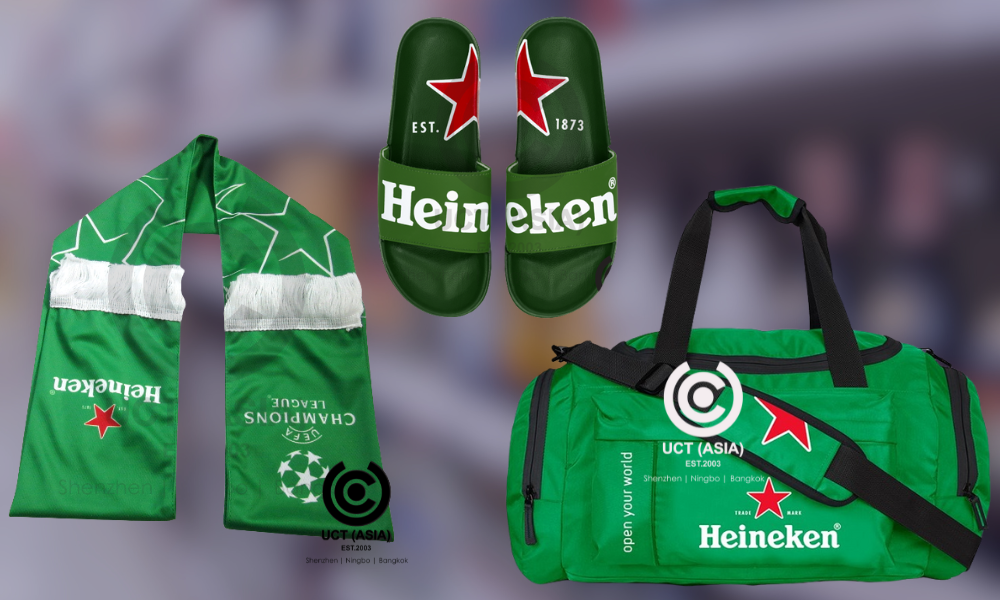
Simple logos outperform complex ones because they are easier to process and recall. Cognitive studies show that the brain retains clear, uncomplicated shapes more effectively than detailed visuals.
Think about globally recognized logos. Their strength lies in clarity, not complexity.
Simple design achieves three things:
- Faster recognition
- Easier recall
- Greater adaptability across products and platforms
When a logo becomes effortless to remember, it becomes difficult to ignore.
Consistency Builds Trust Without Words
Consistency signals reliability. When customers see the same logo across packaging, websites, and merchandise, they interpret it as stability.
Inconsistent visuals create doubt. Consistent ones reinforce confidence.
This applies across:
- Product packaging
- Social media
- Merchandise
- Advertising
Each repeated exposure strengthens the association between your logo and your brand promise. Over time, that association becomes automatic.
Emotional Connection: Where Loyalty Takes Shape
Logos don’t just communicate identity. They trigger emotion.
Nielsen research shows that emotionally connected customers are more than twice as valuable as highly satisfied customers. This connection often begins with visual cues.
Color, shape, and design style influence how people feel:
- Warm tones can create excitement or comfort
- Minimalist designs suggest sophistication
- Bold shapes communicate strength and confidence
When customers associate positive feelings with your logo, they are more likely to return, recommend, and stay loyal.
Designing Logos With Purpose and Meaning
Every element in a logo should serve a function. Random design choices weaken impact.
Consider:
- Color → influences perception and mood
- Shape → communicates tone and personality
- Typography → reinforces brand voice
Intentional design signals professionalism. It shows customers that your brand pays attention to detail, which builds credibility.
The Role of Merchandise in Amplifying Logo Power
A logo gains strength through exposure. Merchandise increases that exposure dramatically.
When your logo appears on:
- Apparel
- Drinkware
- Accessories
It moves beyond digital spaces into everyday life. Each use becomes a repeated interaction with your brand.
This repeated visibility reinforces memory and strengthens the connection between your logo and the customer’s experience.
Evolving Without Losing Recognition
Brands grow, and logos must sometimes adapt. The challenge lies in evolving without losing familiarity.
Successful logo evolution:
- Maintains core elements
- Refines rather than replaces
- Aligns with current trends while preserving identity
This balance signals progress while protecting recognition. Customers see the brand as modern yet consistent.
From Visual Identity to Customer Loyalty
The journey from logo to loyalty follows a clear progression:
- Recognition → customers notice and remember
- Consistency → customers trust
- Emotion → customers connect
- Experience → customers return
Each stage builds on the previous one. When executed well, your logo becomes more than a design. It becomes a symbol of reliability and value.
Create a Logo That Customers Remember and Return To
A strong merchandise logo doesn’t rely on complexity or decoration. It relies on clarity, consistency, and emotional resonance. When those elements align, your logo becomes a powerful tool for shaping perception and influencing behavior.
If your goal is to create a visual identity that customers instantly recognize and associate with positive experiences, working with experts in branded merchandise solutions allows you to translate your brand into designs that strengthen recognition, build trust, and drive long-term loyalty.