
The Rise of Branded Golf Merchandise: How Custom Gear is Shaping the Golf Experience
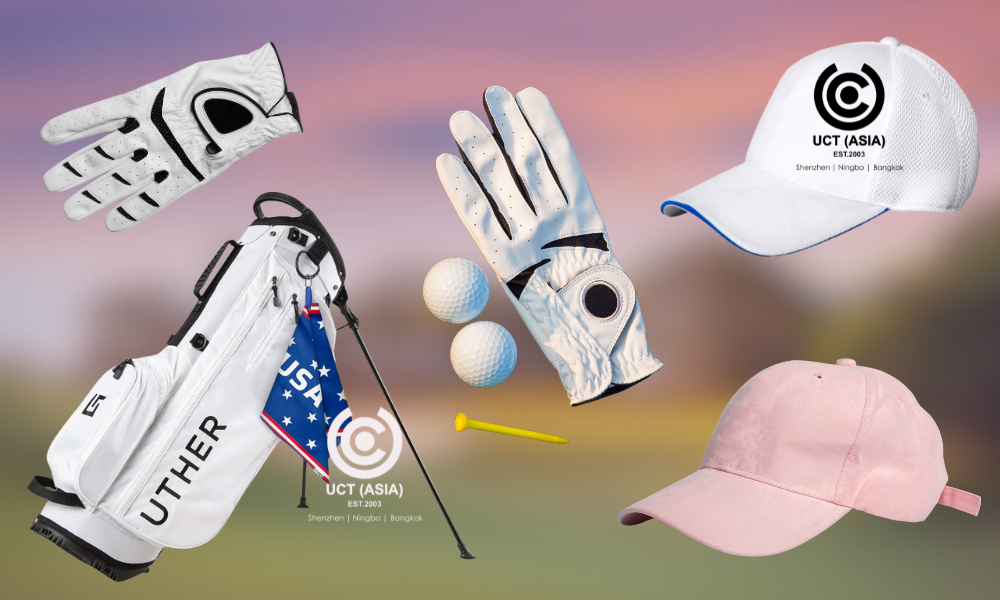
Golf once stood apart as a sport defined by restraint, etiquette, and tradition. Neutral tones, standardized gear, and quiet courses shaped its identity for decades. That version still exists, but a new layer has taken over.
Golf now operates as both a sport and a lifestyle ecosystem where what you wear, carry, and use communicates as much as how you play. Apparel, accessories, and equipment no longer serve purely functional roles. They signal identity, affiliation, and status.
The global golf equipment market reflects this shift. Industry analyses from sources like Statista and Allied Market Research show steady growth driven not only by participation but by increased spending on premium and customized gear. Golfers are investing more per player, and much of that investment flows into branded merchandise.
The Evolution of Golf Merchandise
Golf merchandise began as purely utilitarian. Clubs optimized for distance and control, gloves designed for grip, and caps intended to shield from sunlight defined the category.
That model has expanded into a hybrid of performance and presentation. Today’s golfer evaluates gear across three dimensions simultaneously:
- Performance → Does it improve gameplay?
- Aesthetics → Does it look distinctive?
- Identity → Does it represent me?
Brands responded by elevating materials, introducing modern silhouettes, and integrating storytelling into product design. A golf polo now competes with streetwear in terms of design relevance. A golf bag functions as both equipment storage and a visual signature.
This transition reflects a broader pattern known as premiumization, where consumers accept higher prices in exchange for perceived value, exclusivity, and design sophistication.
The Power of Branding in Golf

Branding in golf extends far beyond visibility. It operates as a relationship engine connecting three core groups: players, fans, and brands.
When a professional golfer wears a branded cap or uses a sponsored bag, the product becomes part of a narrative. Fans don’t just see a logo; they associate it with performance, personality, and success.
This creates a layered effect:
- Brand exposure → Recognition
- Recognition → Trust through repetition
- Trust → Purchase behavior
According to Nielsen Sports, consistent brand exposure in sports environments significantly increases recall and purchase intent. Golf amplifies this effect because of its slower pace and prolonged visibility. Logos remain in view for extended periods, unlike fast-paced sports where exposure is fleeting.
Athletes function as high-impact distribution channels. Each tournament appearance becomes a live demonstration of the brand in action. This dynamic transforms merchandise into a storytelling medium rather than just a product category.
Custom Gear and Personalization Trends
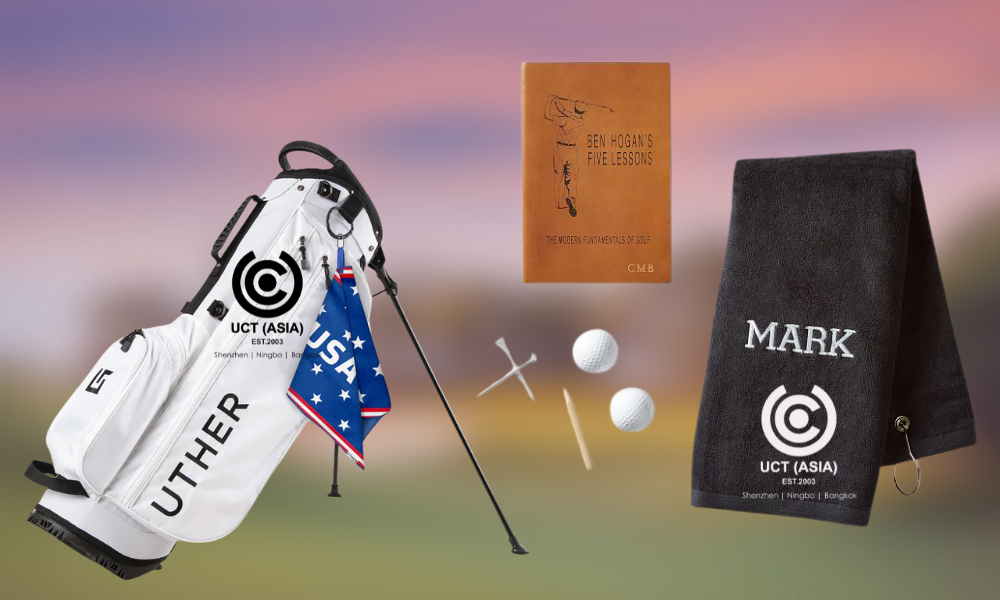
Personalization has moved from niche offering to core expectation. Golfers increasingly seek gear that reflects individuality rather than conformity.
Custom elements now include:
- Embroidered names or initials on bags and towels
- Unique color combinations aligned with personal style
- Limited-run designs tied to events or achievements
- Fully customized kits through digital configurators
McKinsey reports that personalization can increase customer satisfaction by up to 20% while significantly improving conversion rates. In golf, the effect intensifies because the sport already emphasizes individuality and ritual.
Why does personalization work so well here?
- It reinforces identity → The gear feels like an extension of the player
- It increases emotional attachment → Items become harder to replace
- It enhances perceived value → Custom equals premium
Even amateur players now approach their gear with the mindset of professionals, curating a setup that reflects both performance needs and personal narrative.
Impact on the Golf Experience
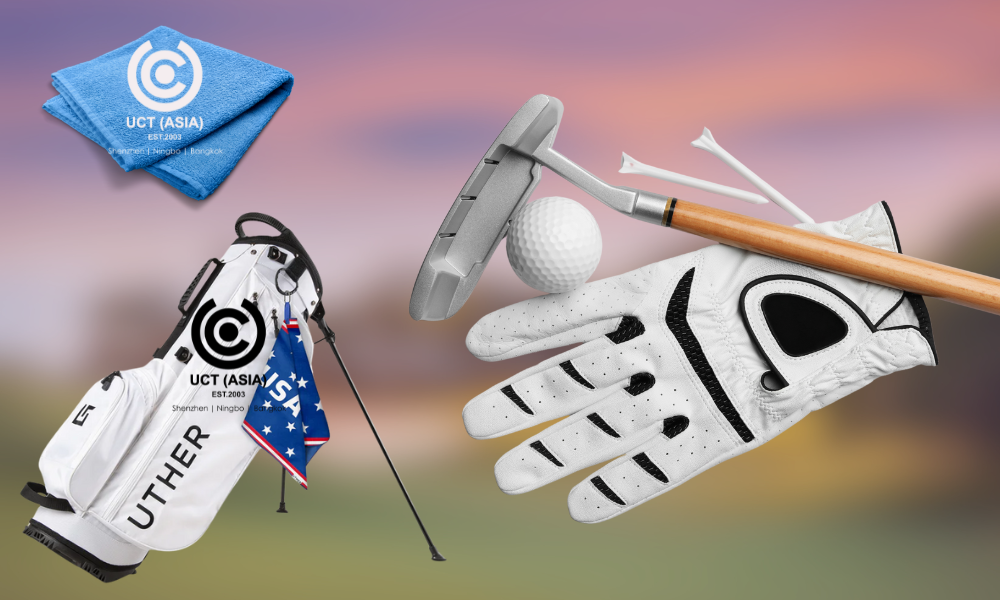
Branded and customized merchandise reshapes the golf experience on multiple levels, influencing both performance perception and emotional engagement.
1. Confidence and Performance Perception
Wearing high-quality, well-fitted apparel affects how players perceive their own performance. Sports psychology research shows that what athletes wear can influence confidence levels and focus.
- Premium gear → Increased confidence → Improved decision-making
Even when performance metrics remain constant, perceived performance often improves.
2. Identity and Self-Expression
Golfers use merchandise to communicate who they are. A minimalist kit suggests precision and discipline, while bold colors and patterns signal creativity and confidence.
This transforms the course into a space of expression rather than uniformity.
. Community and Belonging
Fans wearing tournament merchandise or player-branded apparel participate in a shared identity.
- Branded merchandise → Shared symbols → Stronger community bonds
This dynamic mirrors what happens in football or basketball but manifests in a more subtle, lifestyle-oriented way.
4. Everyday Integration of the Sport
Golf merchandise extends beyond the course into daily life. Branded polos, caps, and accessories transition seamlessly into casual wear.
This creates continuous engagement:
- Off-course usage → Increased brand exposure → Reinforced loyalty
Golf stops being an occasional activity and becomes part of everyday identity.
The Business Impact: Why Brands Are Investing Heavily
Brands recognize that golf merchandise sits at the intersection of sport, fashion, and lifestyle.
Key drivers of investment include:
- Higher margins on premium and customized products
- Strong brand loyalty within the golf community
- Long product lifecycles compared to fast fashion
- Opportunities for limited drops and exclusive releases
Top brands such as Nike Golf, Titleist, and Callaway leverage these factors by combining performance innovation with strong visual branding and storytelling.
The result is a merchandise ecosystem where products serve both functional and emotional roles simultaneously.
Strategic Framework: What Makes Golf Merchandise Successful in 2025
| Dimension | Low-Impact Gear | High-Impact Branded Merchandise |
|---|---|---|
| Functionality | Basic performance | Performance + comfort optimization |
| Design | Generic | Distinctive and premium |
| Personalization | None | Fully customizable |
| Branding | Minimal | Strong identity alignment |
| Emotional Value | Low | High attachment and pride |
Products that combine all five dimensions outperform competitors in both sales and retention.
Where This Is Headed
Golf continues to attract younger audiences, many of whom come from streetwear, fitness, and digital-native cultures. These groups bring different expectations:
- Strong visual identity
- Customization as a default
- Seamless blend between sport and lifestyle
As a result, golf merchandise will continue evolving toward hybrid products that merge performance technology, fashion design, and personal storytelling.
Looking to Build High-Impact Branded Golf Merchandise?
Brands that succeed in this space align product design with identity, performance, and emotional engagement rather than treating merchandise as an afterthought.
If your goal is to create custom golf merchandise that strengthens brand identity and drives real engagement, working with an experienced partner changes the outcome. UCT (Asia) focuses on developing tailored merchandise solutions that combine premium materials, personalization, and strategic branding to help businesses stand out in a competitive market.