
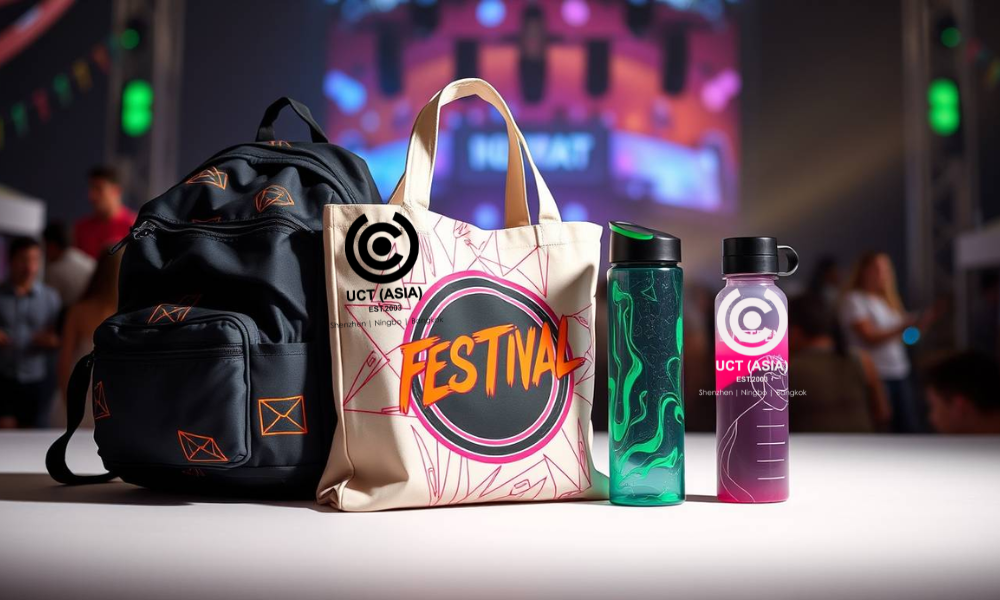
Music festival merchandise has evolved from simple souvenirs into a sophisticated $3+ billion market, with festivals driving over 40% of total music merchandise sales. For artists, organizers, and brands, festival merch represents more than revenue it creates lasting emotional connections that extend far beyond the final performance.
Today’s festival-goers don’t buy merchandise as afterthoughts; they seek items that reflect their values, fit their lifestyles, and carry the story of the experience forward. Understanding this shift is essential for anyone looking to capitalize on one of entertainment’s most lucrative revenue streams.
The Music Festival Merchandise Market: Size and Significance
Market Overview
According to industry analysis, the music merchandise market exceeds $3 billion globally, with festivals and live events representing the largest growth segment. Unlike traditional retail music sales (which have declined with streaming), merchandise has experienced consistent growth as fans seek tangible connections to artists and experiences.
Key market drivers include:
- Experience Economy: Consumers prioritizing spending on events over physical goods
- Social Media Culture: Merchandise as shareable content and identity signaling
- Artist Revenue Shifts: Musicians increasingly relying on touring and merch as primary income
- Festival Proliferation: Growth of multi-day events creating extended selling opportunities
Revenue Potential by Festival Tier
| Festival Size | Attendance | Est. Merchandise Revenue |
| Festival Size | Attendance | Est. Merchandise Revenue |
|---|---|---|
| Major (Coachella, Lollapalooza) | 100,000+ daily | $2–5M per weekend |
| Mid-tier | 20,000–50,000 | $500K–1.5M |
| Boutique/Regional | 5,000–20,000 | $100K–400K |
| Single-Artist Shows | 5,000–50,000 | $50K–500K |
Successful merchandise strategies can contribute 15-30% of total event revenue, making it a critical profit center rather than an ancillary consideration.
Festival Merchandise Trends Shaping 2026
1. Sustainability as Standard
Environmental consciousness has moved from niche to expectation. According to consumer research, 65-75% of festival attendees under 30 consider sustainability in purchasing decisions.
Sustainable Merch Strategies:
- Organic and Recycled Materials: Apparel made from organic cotton, recycled polyester, and hemp blends
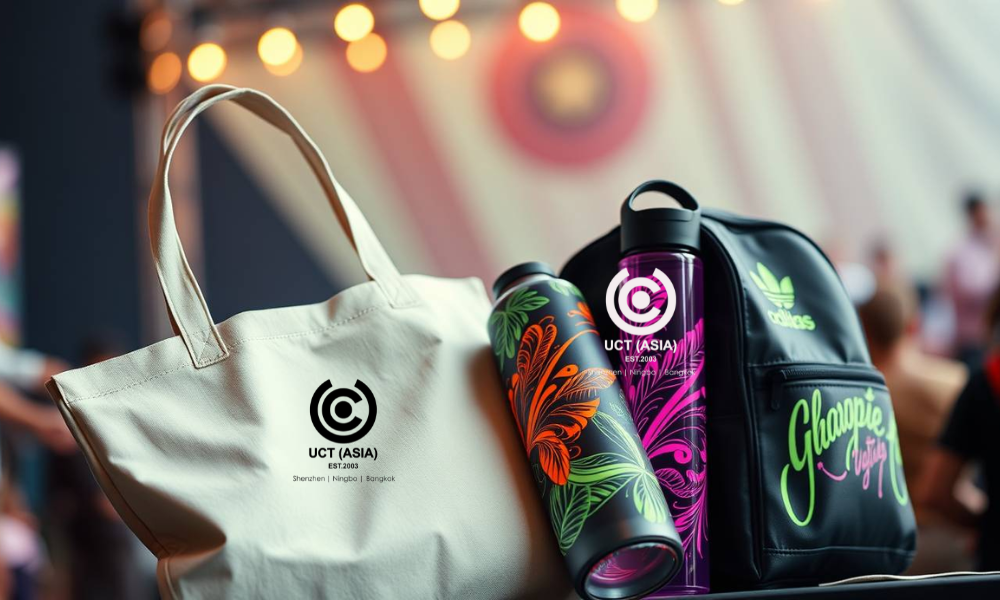
- Reusable Over Disposable: Water bottles, tote bags, and practical items replacing single-use souvenirs
- Transparent Sourcing: Clear communication about materials and production methods
- Circular Economy: Take-back programs and upcycling initiatives
Successful implementation: Festivals reporting sustainability credentials see 20-30% higher conversion rates at merch booths compared to those without environmental positioning.
2. Limited Edition and Drop Culture
Scarcity marketing drives urgency and collectibility:
Limited Edition Strategies:
- Date-Specific Releases: “Sunday Only” or “Night 2 Exclusive” designs
- Artist Collaborations: Special items featuring multiple performers
- Location-Specific Items: City-themed designs for touring festivals
- Numbered Editions: “1 of 500” scarcity signaling
According to retail psychology research, limited availability can increase perceived value by 40-60% and reduce purchase hesitation significantly.
3. Technology-Enhanced Merchandise
Digital integration transforms physical items into interactive experiences:
Tech-Enabled Products:
- NFC Wristbands: Unlock exclusive content, playlists, or behind-the-scenes footage
- QR-Enabled Apparel: Scan for artist messages, music videos, or ticket pre-sales
- Smart Badges: Networking tools exchanging contact info between attendees
- AR Triggers: Phone camera activation revealing animated content on merchandise
These features extend engagement beyond the event and provide ongoing reasons for fans to interact with the brand.
4. Personalization and On-Site Customization
Mass customization technology enables unique items for each buyer:
Customization Options:
- Live Screen Printing: Attendees choose designs printed while they wait
- Embroidery Stations: Names, dates, or messages added on-site
- Patch and Pin Bars: Mix-and-match personalization
- Engraving Services: Jewelry and accessories personalized instantly
Benefits include reduced unsold inventory (made-to-order), increased emotional attachment, and enhanced social sharing as fans showcase unique creations.
5. Fashion-Forward Design
Festival merchandise has transcended basic souvenirs to become legitimate fashion:
Fashion Integration:
- Designer Collaborations: Partnerships with streetwear brands and fashion houses
- Year-Round Wearability: Designs suitable for everyday use, not just festival context
- Premium Materials: Higher-quality fabrics and construction justifying premium pricing
- Trend Awareness: Incorporating current fashion trends (oversized fits, vintage washes)
According to fashion industry analysis, festival-branded items now compete with established streetwear brands, with some limited drops achieving resale premiums on secondary markets.
Essential Festival Merchandise Categories
Core Apparel (40-50% of sales)
T-Shirts and Tanks:
- Premium fabrics (ringspun cotton, tri-blends)
- Modern fits (oversized options trending)
- Artist and festival co-branding
- Price Range: $35-55
Hoodies and Sweatshirts:
- Higher price points but strong sales
- Seasonal relevance for multi-day camping festivals
- Limited edition appeal
- Price Range: $60-100
Headwear:
- Dad hats, bucket hats, and beanies
- Sun protection for outdoor events
- Price Range: $25-40
Functional Accessories (25-30% of sales)
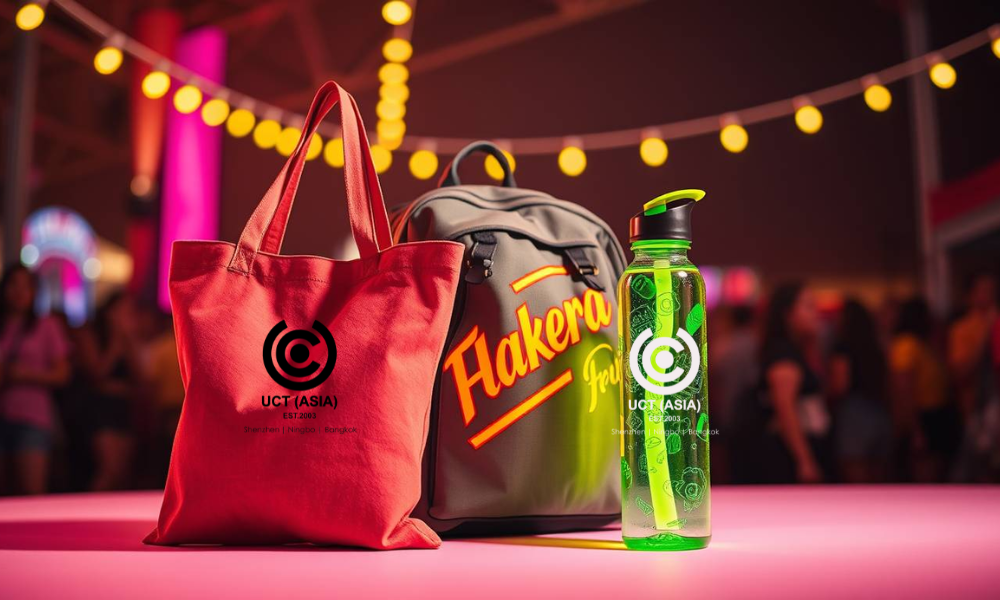
Tote Bags and Backpacks:
- Essential for festival logistics (carrying supplies)
- Continued use post-event extends brand visibility
- Price Range: $20-45
Reusable Water Bottles:
- Hydration necessity meets sustainability values
- Insulated options command premium pricing
- Price Range: $25-45
Portable Chargers:
- Solving universal pain point (phone battery anxiety)
- High-perceived value
- Price Range: $25-40
Novelty and Experience Items (15-20% of sales)
LED and Glow Accessories:
- Enhance nighttime festival atmosphere
- Encourage spontaneous purchases
- Price Range: $10-25
Bandanas and Face Coverings:
- Practical (dust protection) and fashionable
- Versatile styling options
- Price Range: $10-20
Stickers and Patches:
- Low-price entry points
- High collectibility
- Price Range: $3-8
Premium and Collectible Items (5-10% of sales)
Signed Memorabilia:
- Posters, vinyl, and instruments
- Artist availability dependent
- Price Range: $50-500+
VIP and Experience Packages:
- Merchandise bundled with exclusive access
- High-margin offerings
- Price Range: $100-500+
Merchandise Booth Strategy and Operations
Location and Layout
High-Traffic Placement:
- Near main stage exits (capture post-performance enthusiasm)
- Adjacent to food and beverage areas (dwell time opportunities)
- Along main thoroughfares (maximum visibility)
Booth Design Principles:
- Vertical Displays: Maximize product visibility in crowded spaces
- Lighting: Bright, even illumination making products attractive
- Organization: Clear categorization by product type and price point
- Signage: Large, readable pricing and sizing information
Payment and Operations
Frictionless Checkout:
- Contactless payment options (Apple Pay, Google Pay, tap cards)
- Multiple POS stations to prevent bottlenecks
- Mobile POS for roaming sales (lines, crowd areas)
- Cash options for those without digital payment access
Inventory Management:
- Real-time tracking to identify top sellers
- Rapid restocking protocols for popular items
- End-of-day reconciliation procedures
Staffing and Sales
Product Knowledge:
- Staff trained on sizing, materials, and features
- Upselling techniques (bundles, complementary items)
- Authentic enthusiasm for products
Customer Experience:
- Efficient service without rushing
- Bagging and presentation quality
- Problem resolution authority
Design Principles for Festival Merchandise
Visual Impact
Festival environments are visually overwhelming. Merchandise must stand out:
- Bold Graphics: Readable from distance, photographable for social media
- Artist Integration: Clear connection to performers without requiring explanation
- Year/Edition Marking: Creates collectibility and timestamp memories
- Versatile Colorways: Items that work with varied personal styles
Quality Standards
Fabric and Construction:
- Pre-shrunk materials preventing sizing surprises
- Reinforced stitching for durability
- Soft-hand prints avoiding crackling or peeling
- Quality control preventing defective items reaching customers
Sustainability Credentials:
- Clearly labeled materials (organic, recycled content)
- Ethical manufacturing transparency
- Minimal, recyclable packaging
Pricing Architecture
| Tier | Price Range | Purpose |
|---|---|---|
| Entry | $10–20 | Accessibility, impulse purchases |
| Core | $25–50 | Main revenue drivers |
| Premium | $60–100 | Quality positioning |
| Collectible | $100+ | Exclusivity, superfans |
Marketing and Promotion Strategies
Pre-Festival Building
Teaser Campaigns:
- Social media reveals of merchandise designs
- Artist partnerships promoting exclusive items
- Early bird online sales for pickup at event
- Influencer seeding generating buzz
On-Site Activation
Social Media Integration:
- Photo walls and backdrops encouraging sharing
- Hashtag campaigns tied to merchandise
- User-generated content features
- Live posting of popular items creating FOMO
Artist Integration:
- Performers wearing/endorsing merchandise from stage
- Meet-and-greet merchandise tie-ins
- Social proof through celebrity association
Post-Festival Continuity
Online Store:
- Remaining inventory available post-event
- “I Was There” commemorative items
- Next year’s merchandise teasers
- Email capture for future marketing
B2B Sourcing and Manufacturing
Asian Manufacturing Advantages
For festival organizers and artists seeking quality merchandise at scale:
Cost Efficiency:
- 30-50% lower production costs than Western alternatives
- Economies of scale for large festival orders
- Competitive material sourcing
Capabilities:
- Experience with tight deadlines (festival timelines)
- Quality control for complex, multi-color designs
- Sustainable material options
- Rapid prototyping for approval processes
Logistics:
- Air freight options for urgent orders
- Established shipping to major markets
- Experience with event logistics and timing
Quality Assurance
Pre-Production:
- Sample approvals before full production
- Material certifications (organic, recycled content)
- Print quality and color matching
Production:
- In-line quality checks
- Quantity verification
- Packaging and labeling standards
Delivery:
- On-time arrival for event dates
- Contingency planning for delays
- Inventory tracking and management
Frequently Asked Questions
What sells best at music festivals?
T-shirts and hoodies consistently lead sales volume, followed by functional accessories like water bottles and tote bags. Limited edition items and artist-specific merchandise typically sell fastest and command premium pricing.
How much revenue can festival merchandise generate?
Major festivals generate $2-5 million in merchandise revenue per weekend. Mid-tier events see $500K-1.5M, while boutique festivals achieve $100K-400K. Merchandise typically represents 15-30% of total event revenue.
What are the biggest trends in festival merchandise?
Current trends include sustainability (organic/recycled materials), technology integration (NFC chips, QR codes), limited edition drops creating scarcity, on-site personalization, and fashion-forward designs suitable for year-round wear.
How should festivals price their merchandise?
Successful pricing architecture includes entry-level items ($10-20) for accessibility, core products ($25-50) as revenue drivers, premium offerings ($60-100) for quality positioning, and collectible items ($100+) for exclusivity and superfans.
What makes festival merchandise sustainable?
Sustainable festival merchandise uses organic or recycled materials, offers reusable products (water bottles, tote bags) over disposables, provides transparent sourcing information, and implements take-back or recycling programs.
How can artists maximize merchandise sales?
Strategies include offering limited edition exclusives, on-site personalization, social media integration, stage presence wearing merchandise, meet-and-greet tie-ins, and post-event online availability.
What payment methods should merchandise booths accept?
Frictionless payment options including contactless cards, mobile wallets (Apple Pay, Google Pay), and traditional credit/debit cards maximize sales. Cash options accommodate those without digital payment access.
How important is merchandise booth location?
Critical. High-traffic placement near stage exits, food areas, and main thoroughfares significantly impacts sales. Visibility and accessibility often matter more than booth size or elaborate design.
What role does technology play in festival merchandise?
Technology enhances merchandise through NFC-enabled items unlocking exclusive content, QR codes connecting to artist content, AR experiences triggered by merchandise graphics, and smart wristbands facilitating networking and access.
How can small festivals compete on merchandise?
Focus on limited edition scarcity, artist-specific exclusives, personalization options, and strong visual design. Boutique festivals can offer unique items major events cannot, creating collectibility through rarity.
When should festivals plan their merchandise strategy?
Ideally 4-6 months before the event for design, sampling, and production. Rush orders are possible but cost 30-50% more. Pre-event online sales can gauge demand and generate early revenue.
Where is festival merchandise manufactured?
The majority is produced in Asia (Vietnam, China, Bangladesh) due to cost advantages, technical capabilities with complex designs, and experience meeting tight event deadlines while maintaining quality standards.
Partner with UCT (Asia) for Festival Merchandise Excellence
Music festival merchandise captures moments, memories, and identity. Limited-edition items, creative collaborations, and experiential design transform simple products into collectibles that extend brand presence long after the final performance. Strategic merchandise planning enhances both revenue and attendee engagement.
As a leading custom promotional products provider, UCT (Asia) supports festival organizers with high-quality, trend-forward merchandise solutions. By blending creative design with efficient production, we help brands create merchandise that resonates emotionally while delivering measurable commercial value.