
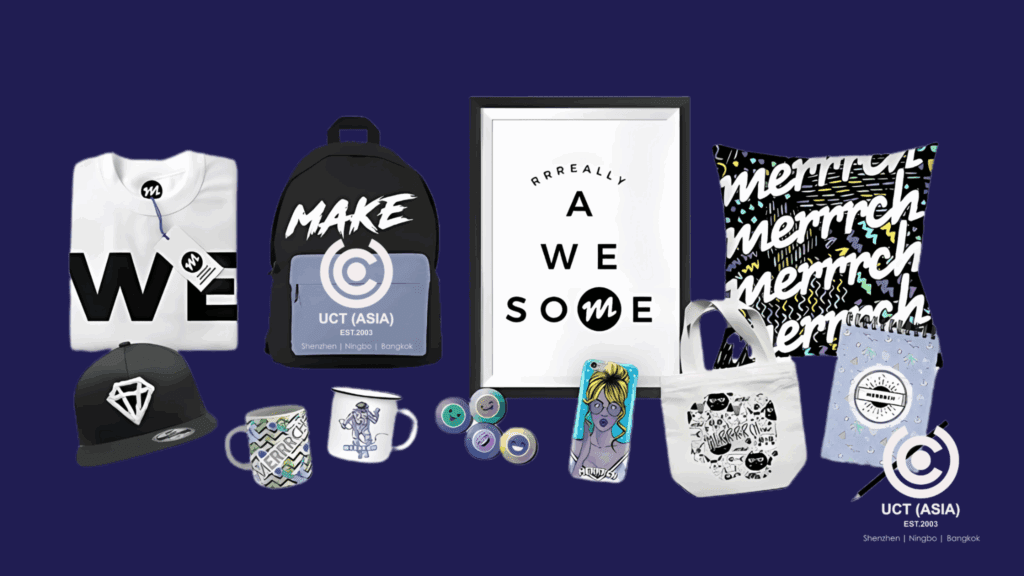
Every cause starts with intention, yet intention alone does not generate momentum. Funding, visibility, and sustained engagement determine whether that cause grows or fades. This is where fundraising merchandise steps in, not as a side tactic, but as a system that converts attention into action and supporters into long-term advocates.
Think about the last time you noticed someone carrying a branded tote bag or wearing a cause-driven T-shirt. That moment did more than display a logo. It communicated values, sparked curiosity, and sometimes even inspired action. That is the real function of fundraising merchandise. It transforms passive awareness into visible, repeatable engagement.
1. The Psychology Behind Fundraising Merchandise
Why does merchandise work so effectively in fundraising campaigns? The answer lies in behavioral patterns backed by data.
Nonprofit Source reports that 45 percent of donors choose organizations they feel emotionally connected to, while Advertising Specialty Institute data shows that 83 percent of people are more likely to engage with a brand after receiving a promotional product. These numbers reveal a clear pattern. Emotional connection and tangible interaction drive action.
Several psychological triggers operate simultaneously:
- Reciprocity: When supporters receive something valuable, they feel more inclined to give back
- Identity signaling: People use merchandise to express beliefs and affiliations publicly
- Social proof: Visible products validate a cause in everyday environments
Now imagine combining all three in a single product. A well-designed item doesn’t just raise funds once. It continues influencing behavior every time it is used.
2. What Makes Fundraising Merchandise Actually Work
Not every product delivers results. Some items get used daily, while others disappear into drawers. The difference comes down to four strategic factors.
High Utility Drives Continuous Exposure
Products that integrate into daily routines create repeated brand impressions. PPAI reports that useful items like bags and drinkware remain in use for over 12 months.
A simple chain reaction unfolds:
High utility leads to frequent use, frequent use increases visibility, visibility reinforces awareness, awareness drives donations.
Emotional Connection Converts Interest into Action
A product tied to a story performs better than one tied to a logo alone. When someone uses an item and remembers the cause behind it, the product becomes a trigger for empathy and continued support.
Quality Defines Perceived Value
People associate product quality with organizational credibility. A poorly made item signals weak execution, while a durable, well-designed product reinforces trust and professionalism.
Visual Branding Strengthens Recognition
Clear, intentional branding ensures that every interaction with the product communicates your message instantly. Recognition builds familiarity, and familiarity increases trust.
3. Quality and Perceived Value
Nobody wants to buy a low-quality product. The good intentions behind the merchandise will not be enough to make them buy if they perceive the product as being of low quality or value. Ensure your brand merchandise is durable and of high quality.
3. A Strategic Framework for Choosing the Right Merchandise
Before selecting products, consider how each item performs across three dimensions:
1. Visibility – How often will this be seen in public?
2. Longevity – How long will people keep using it?
3. Emotional Impact – Does it connect back to your cause?
Products that score high across all three create compounding returns.
4. Creative Fundraising Merchandise Ideas (With Strategic Use Cases)
Instead of choosing items based on popularity alone, align each product with a specific outcome.
Eco-Friendly Tote Bags
Reusable bags combine sustainability with daily functionality. Nielsen reports that over 60 percent of consumers prefer environmentally responsible products, making this option both relevant and value-driven.
Use case: Distribute during campaigns focused on environmental or social responsibility themes. Every grocery trip becomes a mobile awareness campaign.
Limited-Edition Apparel
T-shirts and hoodies turn supporters into walking ambassadors. Scarcity increases perceived value, especially when tied to specific events or milestones.
Use case: Launch exclusive designs for campaigns or anniversaries. Limited availability encourages faster purchasing decisions and stronger emotional attachment.
Personalized Journals and Stationery
Customization increases perceived ownership. When supporters see their name or message integrated into a product, it deepens their connection to the cause.
Use case: Offer these to corporate sponsors or high-value donors as part of partnership packages.
Branded Water Bottles
High-frequency usage makes drinkware one of the most effective promotional categories. These items appear in offices, gyms, and public spaces daily.
Use case: Pair with health or wellness campaigns to align product function with messaging.
Custom Wristbands
Low-cost and easy to distribute, wristbands excel in event settings. They create a sense of unity among participants.
Use case: Use during fundraising events to visually reinforce community participation.
Seasonal Gift Bundles
Bundling increases perceived value while aligning with peak donation periods such as holidays.
Use case: Curate themed packages that combine multiple items, encouraging higher contribution levels.
5. Amplifying Results Through Smart Campaign Design
Merchandise alone does not guarantee success. The way it is introduced and distributed determines its impact.
Successful campaigns integrate:
- Storytelling: Connect each product to a clear narrative
- Scarcity: Limited editions increase urgency
- Community engagement: Encourage supporters to share how they use the products
- Digital integration: Combine physical merchandise with online campaigns for broader reach
Statista reports that promotional products achieve recall rates above 70 percent, but recall alone is not the goal. The objective is to convert that recall into action through consistent engagement.
6. From Product to Growth Engine
Fundraising merchandise operates as more than a revenue stream. It functions as a continuous visibility system. Each item acts as a touchpoint, extending your reach into environments you would never access through traditional marketing.
Consider this perspective. A single supporter using a branded bottle daily in public spaces generates hundreds of impressions over time. Multiply that across hundreds or thousands of supporters, and the scale becomes clear.
This transforms merchandise into a self-sustaining growth loop:
Product use leads to visibility, visibility attracts attention, attention drives interest, interest converts into donations, and donations fund further campaigns.
7. Bringing Your Merchandise Strategy to Life
Execution determines whether ideas translate into results. Product selection, design quality, and alignment with your audience all shape the outcome.
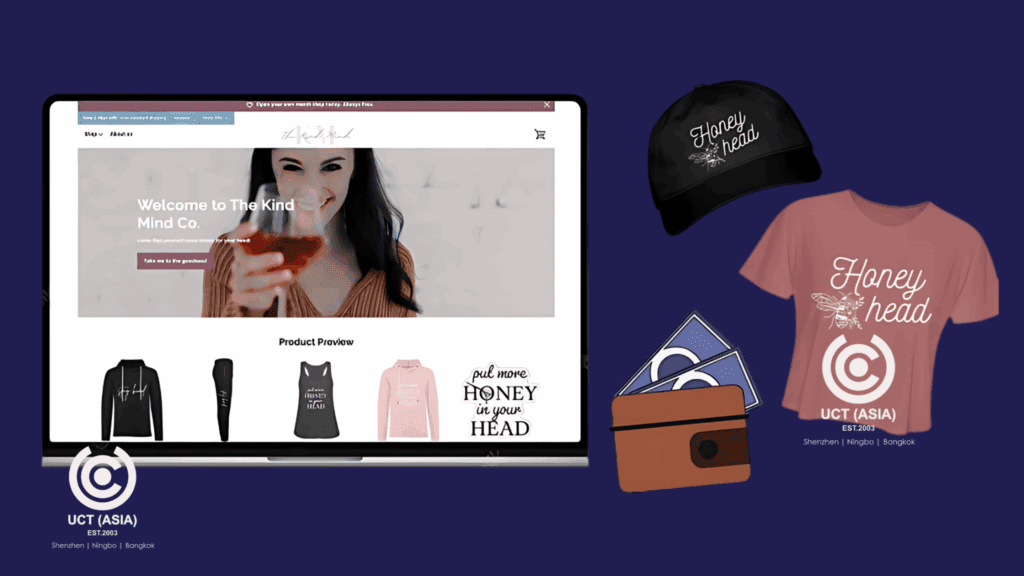
UCT (Asia) works with organizations to develop merchandise that goes beyond surface-level branding. The focus involves creating products that integrate into daily life, communicate purpose clearly, and sustain engagement over time.
When planning your next campaign, ask a sharper question. Are you simply offering items, or are you creating tools that carry your message into the real world every single day?
Conclusion
The most effective campaigns do not rely on visibility alone. They build systems that continuously reinforce connection, identity, and action. When designed strategically, fundraising merchandise becomes that system, turning everyday products into long-term drivers of awareness, loyalty, and financial support for your cause.