
The green technology sector continues to grow rapidly. According to BloombergNEF, global energy transition investment reached $2.1 trillion in 2024, with renewable energy, power grids, electrified transport, and energy storage among the major investment areas. For eco-conscious startups, this creates a clear challenge: finding promotional products that reflect environmental values while still appealing to practical, tech-savvy audiences.
Unlike generic eco-friendly giveaways, green tech companies need sustainable promotional items that feel useful, credible, and aligned with innovation. A clean energy company handing out solar-powered phone chargers, or a sustainable materials startup offering recycled aluminum notebooks, can turn merchandise into tangible proof of its values.
Promotional products also support brand perception. Nielsen research found that 73% of Millennials were willing to pay more for sustainable offerings, making eco-conscious promotional choices both ethically relevant and commercially strategic.
Why Do Green Tech Startups Need Strategic Promotional Products?
Promotional products should reinforce the brand’s environmental mission
Green tech startups operate at the intersection of innovation and environmental responsibility. Their promotional products should reflect this positioning. Generic swag such as plastic pens, synthetic bags, or disposable items can create a mismatch for companies that claim to lead in sustainability.
The promotional choices a startup makes become part of its brand story. They are seen by investors, customers, employees, event visitors, and potential partners. The right sustainable merchandise shows that environmental commitment is not limited to the company’s main product. It appears across every brand touchpoint.
For startups seeking funding, this consistency matters. ESG expectations increasingly influence how companies are assessed. Sustainable merchandise can support a stronger brand impression by showing attention to sourcing, materials, usability, and waste reduction.
For readers exploring broader sustainable merchandise options, we have also covered related ideas in our guide to eco-friendly and vegan promotional items. This can help brands compare product choices that align with environmental values while still being practical for everyday use.
What Makes Promotional Products Green Tech Appropriate?
The best items combine sustainability, function, and modern design
Not all eco-friendly products suit green tech brands. The most effective promotional products for this sector usually combine genuine sustainability credentials with technological relevance.
Strong green tech promotional products should be:
| Feature | Why It Matters |
| Innovative sustainable materials | Recycled ocean plastic, recycled aluminum, bamboo, cork, plant-based materials, or certified paper help support the brand story. |
| Practical use for tech professionals | Device accessories, chargers, organizers, notebooks, bottles, and desk tools are more likely to be kept and used. |
| Modern visual appeal | Minimalist design, clean branding, and a premium finish align better with technology audiences. |
| Verified environmental standards | Certifications such as FSC, GOTS, Cradle to Cradle, B Corp, or OEKO-TEX help reduce vague sustainability claims. |
Top 10 Eco Promotional Products for Tech Companies
These products balance practical use with sustainability value
The following product categories are especially suitable for green tech startups because they combine environmental credibility with usefulness for tech-focused audiences.
1. Solar-Powered Tech Accessories
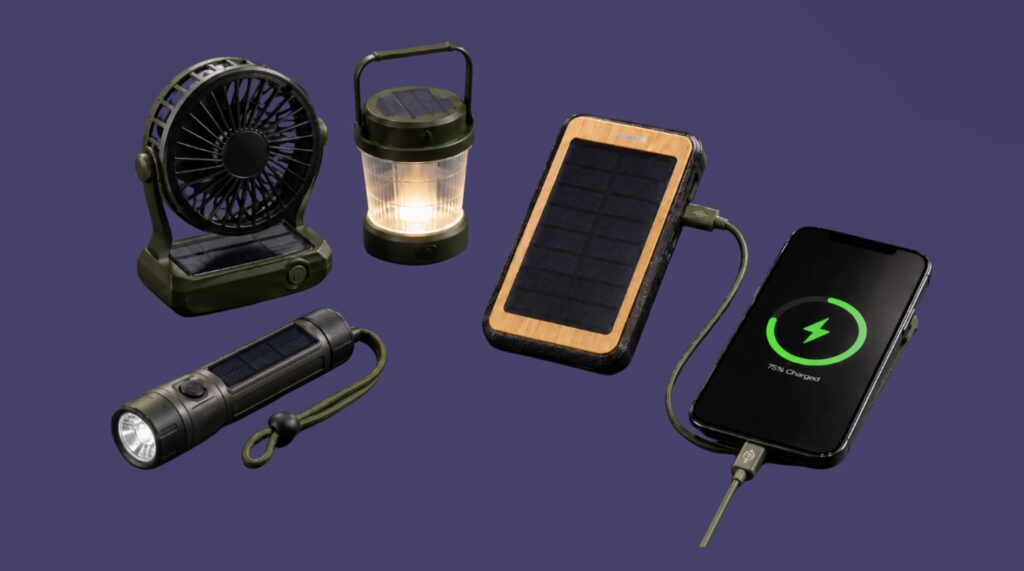
Solar chargers and power banks strongly connect green tech values with practical everyday use. They are useful at conferences, trade shows, outdoor events, and long working days when people may not have easy access to power outlets.
Key specifications to consider:
- Minimum 10,000mAh capacity
- USB-A and USB-C output ports
- Weather-resistant casing
- Compact, portable design
- Fast-charging capability where possible
2. Bamboo and Cork Phone Accessories

Bamboo and cork phone stands, cases, and cable organizers provide alternatives to petroleum-based plastics. Bamboo grows quickly, while cork can be harvested without cutting down the tree, supporting long-term material renewal.
| Material | Durability | Aesthetic | Environmental Benefit | Cost per Unit |
| Bamboo | High | Warm and natural | Fast renewable resource | $3–8 |
| Cork | Medium | Textured and distinctive | Renewable and biodegradable | $4–10 |
| Recycled PET | High | Modern and sleek | Diverts plastic waste | $2–6 |
| Wheat straw | Medium | Organic look | Uses agricultural byproducts | $2–5 |
3. Recycled PET Laptop Sleeves and Cases
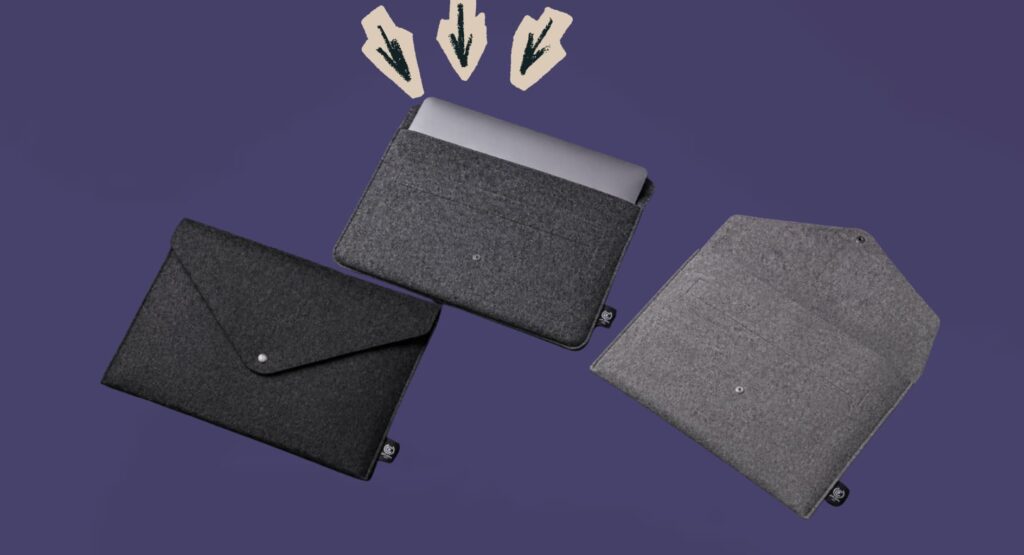
Laptop sleeves made from recycled PET turn plastic waste into useful protective gear. These products are practical for tech professionals and can communicate a strong sustainability story when the recycled content is clearly explained.
For startups attending tech events, rPET sleeves also offer good visibility because recipients may use them repeatedly at work, in meetings, and while travelling.
4. Plantable Seed Paper Business Cards and Notebooks
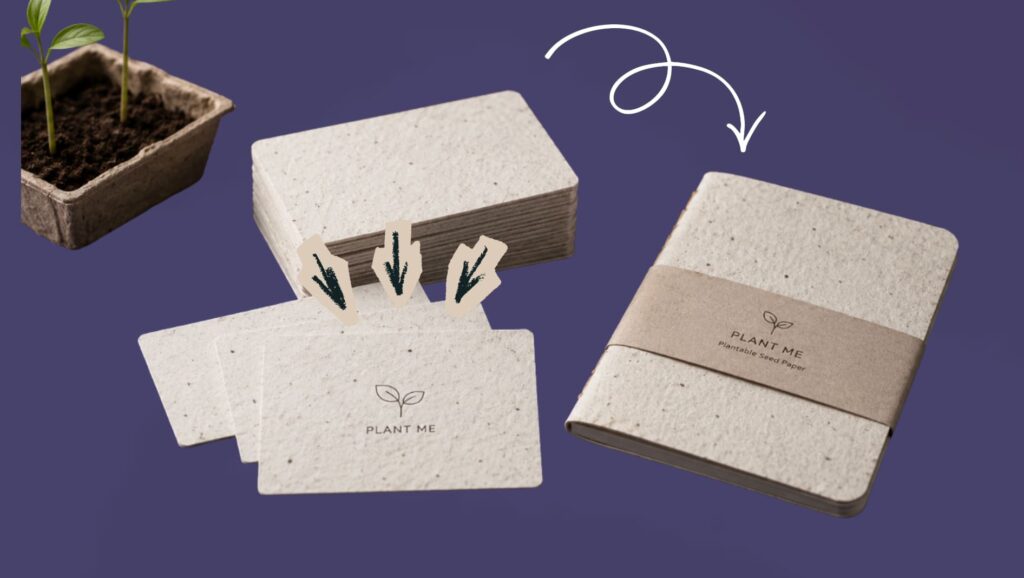
Seed paper embeds wildflower or herb seeds into biodegradable paper. After use, recipients can plant the paper and grow something from it. This makes the promotional item more memorable than a standard printed card or notebook.
For best results, choose native plant species suitable for the target market. This improves the chance of successful growth and avoids introducing unsuitable species.
5. Stainless Steel Smart Water Bottles
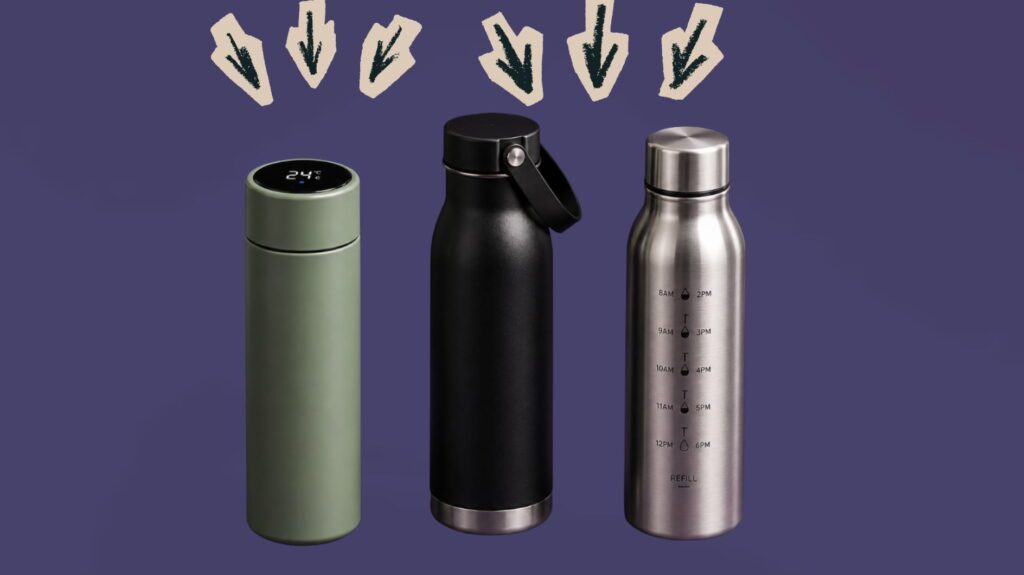
Smart water bottles with hydration reminders, temperature control, or app connectivity appeal to tech users who enjoy functional products. Stainless steel also helps reduce reliance on single-use plastic and offers long product life.
These bottles work well for employee onboarding, investor events, wellness campaigns, and conference giveaways.
6. Wireless Chargers from Recycled Materials

Wireless charging pads made from recycled plastic, recycled aluminum, bamboo, or other responsible materials combine technology and sustainability in one item.
For quality and safety, choose Qi-certified models that support current charging standards. A strong design should make the recycled or sustainable material feel intentional, not like an afterthought.
For technology-focused campaigns, our guide to tech gadgets as branded merchandise offers useful examples of how chargers, power banks, speakers, and other functional items can support brand visibility.
7. Organic Cotton Tech Pouches and Organizers
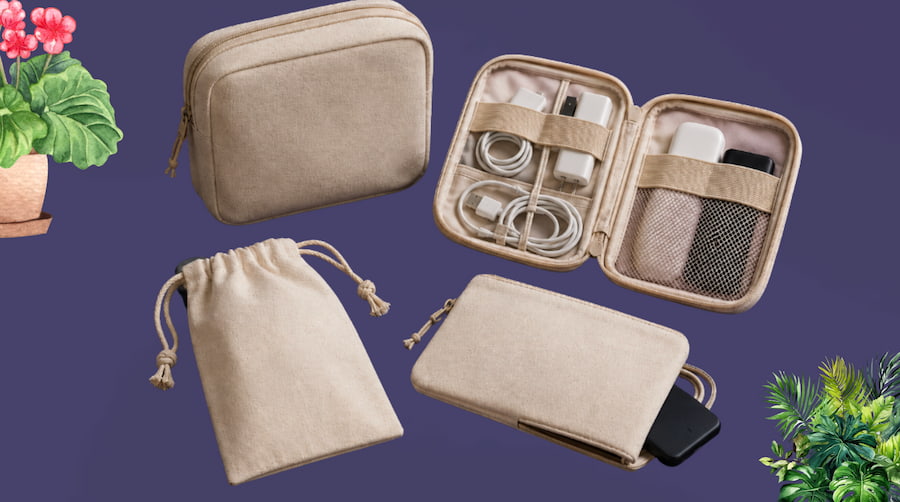
Tech pouches made from GOTS-certified organic cotton provide plastic-free storage for cables, chargers, adapters, and small devices. According to Textile Exchange data cited by the Global Organic Textile Standard, organic cotton can reduce blue water consumption by 91% compared with conventional cotton.
These pouches work well for minimalist branding and can be included in event kits, onboarding packs, or premium giveaway bundles.
8. Recycled Aluminum Notebooks and Journals
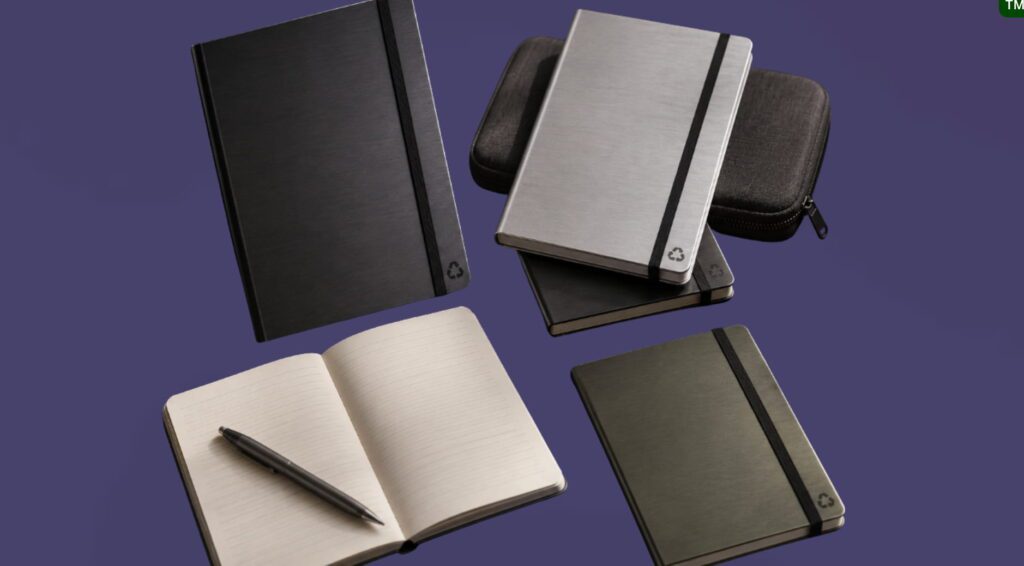
Recycled aluminum notebook covers provide durability and a premium feel while supporting waste reduction. According to The Aluminum Association, recycling aluminum saves up to 95% of the energy needed to produce primary aluminum, making recycled aluminum a strong material choice when sustainability credentials can be verified.
Pair recycled aluminum covers with FSC-certified paper to strengthen the environmental value of the full product.
9. Cork Mousepads and Desk Accessories

Cork mousepads and desk accessories are lightweight, renewable, and suitable for daily workspaces. Cork offers a natural texture and can biodegrade more easily than many synthetic desk products.
These items are practical for remote workers, startup teams, developers, and conference visitors who want a more comfortable workspace.
10. Upcycled Tech Cable Organizers
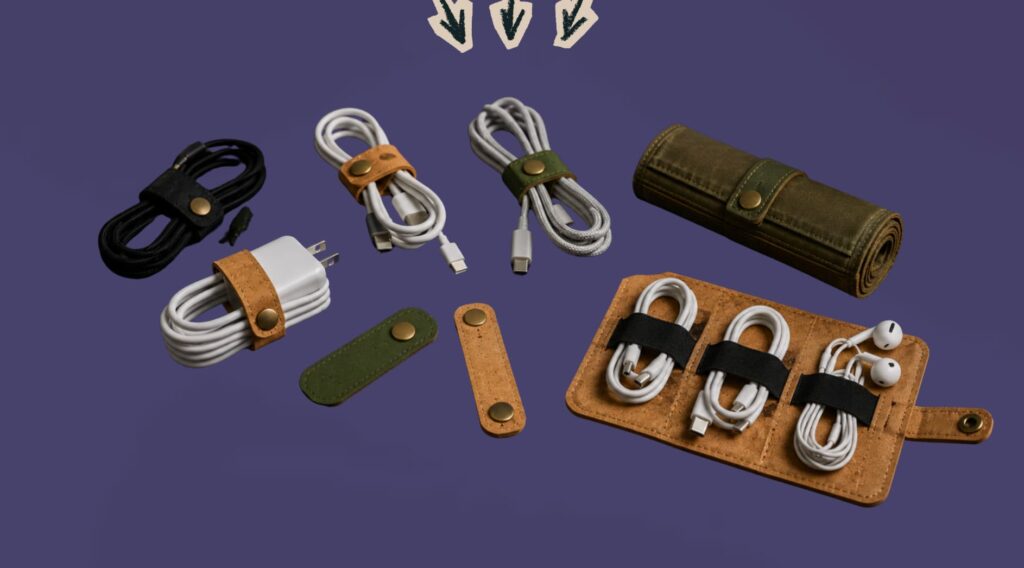
Cable organizers made from upcycled materials such as reclaimed textiles, recycled wetsuits, or repurposed industrial fabrics can turn waste into useful accessories.
These products are effective because they have a visible story. They help the recipient understand what the item used to be, how it was transformed, and why the brand chose it.
Budget Tiers for Startup Stages
Promotional budgets should match the company’s growth stage
Green tech startups at different funding stages usually need different promotional strategies. Early-stage companies often need affordable reach, while later-stage startups may want premium kits for investors, partners, or employees.
Seed Stage: $2,000–$5,000 Budget
At seed stage, focus on lower-cost items with clear environmental stories and daily usefulness.
| Product | Quantity and Cost | Estimated Total |
| Seed paper business cards | 500 units @ $0.50 | $250 |
| Bamboo phone stands | 200 units @ $4 | $800 |
| Recycled cotton tote bags | 150 units @ $6 | $900 |
| Cork coasters with branding | 300 units @ $2 | $600 |
| Stainless steel straws in organic cotton pouches | 200 sets @ $3 | $600 |
| Total | $3,150 |
Series A: $10,000–$20,000 Budget
Series A companies can invest in more premium products that reflect growth while still supporting sustainability goals.
| Product | Quantity and Cost | Estimated Total |
| Solar power banks | 150 units @ $25 | $3,750 |
| rPET laptop sleeves | 100 units @ $18 | $1,800 |
| Recycled aluminum notebooks | 200 units @ $12 | $2,400 |
| Bamboo wireless chargers | 100 units @ $22 | $2,200 |
| Organic cotton tech organizers | 150 units @ $8 | $1,200 |
| Smart water bottles | 100 units @ $35 | $3,500 |
| Total | $14,850 |
Series B+: $25,000+ Budget
Later-stage startups can create tiered merchandise systems for different audiences, such as investors, employees, partners, and event visitors.
| Product | Quantity and Cost | Estimated Total |
| Premium solar charging kits | 100 units @ $45 | $4,500 |
| Full desk accessory sets | 80 sets @ $55 | $4,400 |
| Executive gift boxes | 50 boxes @ $75 | $3,750 |
| Conference survival kits | 200 kits @ $30 | $6,000 |
| Employee onboarding bundles | 100 bundles @ $40 | $4,000 |
| Event-specific custom items | Variable | $5,000+ |
| Total | $27,650+ |
ESG Alignment and Reporting
Sustainable merchandise can support investor and stakeholder communication
For green tech startups, promotional product choices may contribute to ESG reporting and investor communications. These items are small compared with core operations, but they still show whether sustainability thinking is applied consistently across the business.
How Do Promotional Products Support ESG Goals?
They provide measurable examples of responsible sourcing
Promotional products mainly support the Environmental pillar of ESG, but they can also support Social goals when suppliers follow ethical sourcing and labour standards.
Environmental metrics to track include:
- Recycled material used
- Plastic bottles or waste materials diverted
- Carbon reduction compared with conventional alternatives
- Percentage of biodegradable or compostable materials
- Packaging reduction achieved
Useful documentation includes:
- Supplier sustainability certifications
- Material composition sheets
- Lifecycle assessment data, where available
- Carbon footprint calculations
- Packaging and shipping details
What Certifications Should Green Tech Startups Prioritize?
Third-party standards help make sustainability claims more credible
| Certification | Focus Area | Relevance to Promotional Products |
| FSC | Responsible forestry | Paper products and wooden items |
| GOTS | Organic textiles | Cotton bags, pouches, and apparel |
| Cradle to Cradle | Circular design | Products designed for safer materials and reuse |
| B Corp | Social and environmental performance | Supplier selection |
| OEKO-TEX | Chemical safety | Textile products |
| Ocean Bound Plastic | Marine plastic recovery | rPET and recycled plastic products |
Event-Specific Recommendations
Match merchandise to the event and audience
Different events require different promotional strategies. Green tech startups should choose products that fit the situation while keeping the brand message consistent.
Trade Shows and Conferences
Large industry events need products that are useful, lightweight, and easy to carry.
Best choices:
- Portable solar chargers
- Collapsible water bottles
- Tech cable organizers
- Lightweight rPET tote bags
Investor Pitches and Board Meetings
Investor-facing merchandise should feel more premium and carefully selected.
Best choices:
- Recycled aluminum notebooks with the company story
- Sustainable executive pens
- Premium gift boxes
- NFC-enabled digital business cards
Community Events and Meetups
Informal gatherings work best with approachable, conversation-starting items.
Best choices:
- Seed paper cards with local wildflower mixes
- Reusable utensil sets in organic cotton wraps
- Plantable pencils with herb seeds
- Upcycled products with visible origin stories
Employee Onboarding
Internal promotional products can reinforce culture and values from the start.
Best choices:
- Welcome kits with sustainable essentials
- Reusable coffee cups
- Organic cotton apparel with subtle branding
- Desk plants in biodegradable containers
For startups using promotional products to attract talent, our guide to custom promotional items for career fairs, shares ideas that can support recruitment events, employee branding, and onboarding campaigns.
Conclusion
For green tech startups, promotional products are more than marketing collateral. They represent brand values, environmental commitments, and the level of care a company applies beyond its core product. The strongest merchandise choices are practical, durable, responsibly sourced, and easy for recipients to understand.
Sustainable promotional products can also support stronger brand perception, ESG communication, and customer alignment. As the green technology sector becomes more competitive, startups that choose thoughtful merchandise can stand out without relying on wasteful or generic giveaways.
At UCT Asia, we help brands design, source, and deliver promotional products that align with campaign goals, audience expectations, and sustainability priorities. As experienced promotional products suppliers, we understand that the right merchandise should feel purposeful, useful, and consistent with a brand’s values rather than just another giveaway.