
The Rise of Racing Merchandise: How Fan Gear Fuels Passion and Community in Motorsports [2026]
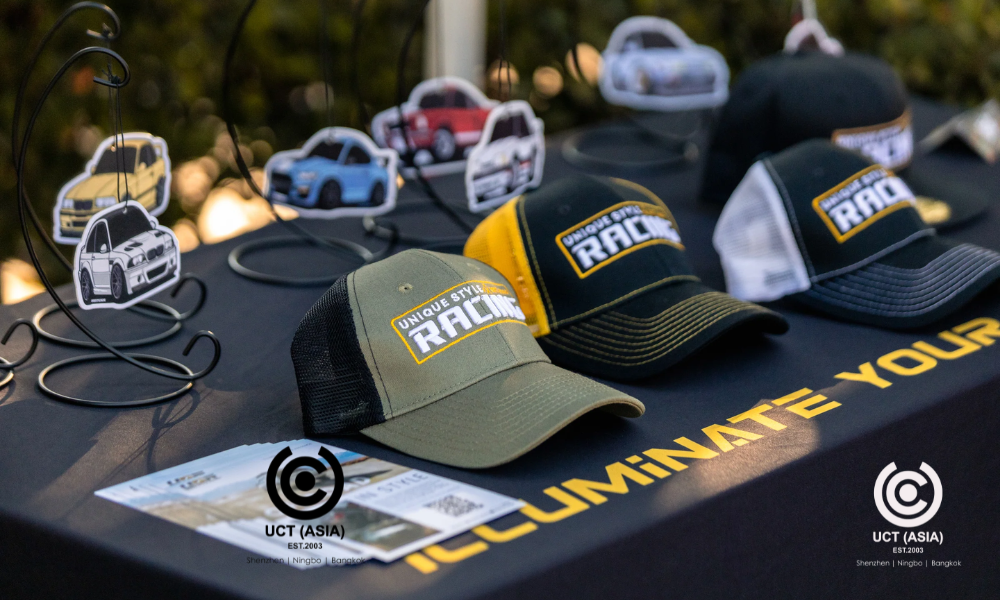
Formula 1 generated over $3.22 billion in revenue during 2023, with merchandise representing a substantial portion of that total. But these numbers only tell part of the story. Racing merchandise has evolved from simple team apparel into a sophisticated ecosystem where fashion, technology, and fandom intersect—creating a market that extends far beyond the checkered flag.
Whether you’re a retailer looking to stock the latest Red Bull Racing collaborations, a fan seeking limited-edition Ferrari collectibles, or a brand exploring motorsport partnerships, understanding this dynamic market is essential for success.
The Motorsports Merchandise Market: By the Numbers
Formula 1’s Commercial Dominance
Formula 1 represents the pinnacle of motorsport merchandising. According to financial reports, the series generated $3.22 billion in 2023 revenue, with merchandise and licensing contributing significantly alongside broadcast rights and race hosting fees.
This success stems from F1’s transformation under Liberty Media ownership. Strategic investments in digital content, Netflix’s “Drive to Survive” series, and expanded social media presence have attracted younger demographics—fans who view team merchandise as fashion statements rather than just sporting apparel.
Beyond Formula 1: The Broader Racing Market
While F1 dominates headlines, other racing series contribute substantially to the global merchandise ecosystem:
- NASCAR: Strongest in North American markets, with merchandise sales concentrated in die-cast collectibles and apparel
- MotoGP: Growing two-wheel merchandise segment, particularly strong in European and Asian markets
- WEC (World Endurance Championship): Premium positioning attracts luxury brand collaborations
- Regional Series: Local championships drive grassroots merchandise demand
Industry analysts suggest the global motorsport merchandise market exceeds $5 billion annually when all series and categories are included.
Why Racing Merchandise Commands Premium Prices
The Identity Connection
Racing fans don’t merely support teams—they adopt identities. Wearing a Mercedes-AMG Petronas jacket signals technical precision and engineering excellence. Sporting Red Bull Racing gear projects youthful energy and aggressive performance. Ferrari merchandise represents decades of racing heritage and Italian passion.
According to consumer behavior research, motorsport fans spend 40-60% more on team merchandise compared to traditional sports fans. This premium stems from the emotional investment racing cultivates—the year-long season, the technical complexity, the life-or-danger stakes.
Exclusivity as Marketing Strategy
Motorsport brands have mastered scarcity marketing. Limited-edition drops create urgency and justify premium pricing:
- Grand Prix Specials: Each F1 race produces location-specific merchandise, often selling out within hours
- Driver-Signed Items: Helmets, gloves, and apparel bearing authentic signatures command 5-10x standard retail
- Team Collaborations: Partnerships with luxury brands produce ultra-limited collections that resell at significant premiums
According to retail data, limited-edition racing merchandise sells 3-5x faster than standard catalog items and experiences significantly lower discounting requirements.
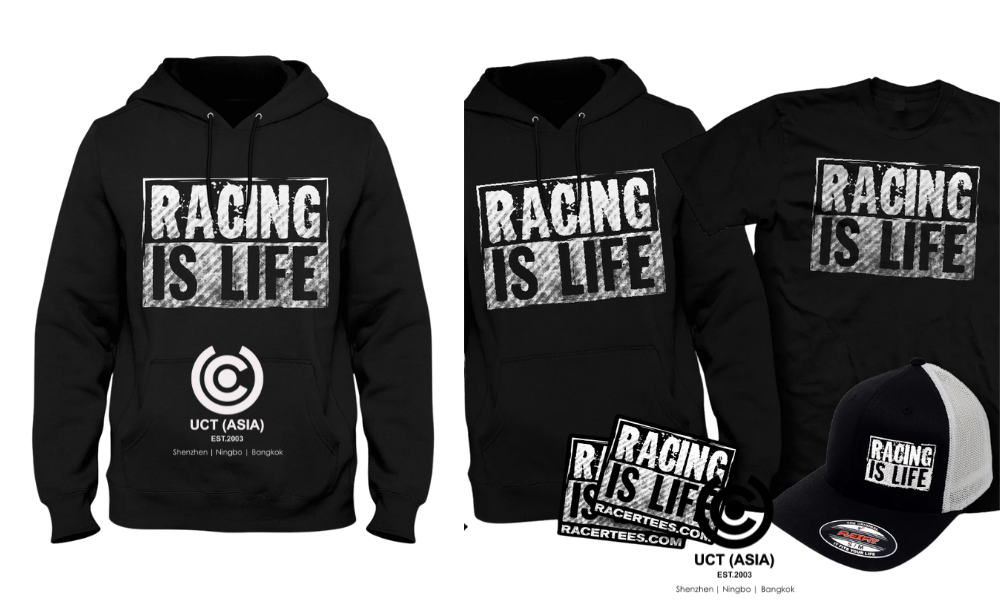
The Evolution from Track to Street
Fashion Industry Integration
Racing merchandise has transcended its sporting origins to become legitimate fashion. Several factors drive this evolution:
Streetwear Crossover: Brands like Supreme, BAPE, and Off-White have collaborated with F1 teams, positioning racing apparel alongside high-fashion streetwear. This legitimizes racing merchandise as style choices rather than just fan gear.
Luxury Brand Partnerships: TAG Heuer, Richard Mille, and other luxury watchmakers produce team-branded timepieces retailing for thousands—far beyond typical fan merchandise price points. These collaborations elevate the entire category’s prestige.
Sneaker Culture: Racing-inspired footwear from Puma (Ferrari), Adidas (Mercedes), and collaborations with Jordan Brand have created collectible sneaker markets parallel to traditional team apparel.
Athleisure Alignment
The broader athleisure trend benefits racing merchandise. Team-branded jackets, hoodies, and accessories fit naturally into casual wardrobes. Unlike replica football jerseys that announce obvious sporting allegiance, racing apparel blends more subtly into everyday fashion.
Key Merchandise Categories
Apparel: The Foundation
Team Kits and Replica Gear
Official team apparel represents the largest merchandise category by volume. Modern racing apparel incorporates:
- Technical fabrics (moisture-wicking, breathable)
- Authentic team styling (pantone-matched colors, official sponsor logos)
- Performance cuts suitable for both spectating and casual wear
Price Range: $40-150 for standard items; $200-500 for premium/limited editions
Fashion Collaborations
Designer partnerships produce higher-end collections:
- Tommy Hilfiger x Mercedes-AMG F1
- Puma x Ferrari lifestyle collections
- Off-White x Mercedes capsule releases
Price Range: $100-400 for apparel; $500-2,000+ for accessories
Collectibles: The Investment Tier
Die-Cast Models
Scale replicas of race cars represent a significant collecting subculture. Limited production runs (often 500-2,000 pieces) create scarcity that drives secondary markets.
According to collectibles market data, rare die-cast models appreciate 100-300% within 2-3 years of release, particularly those associated with championship seasons or significant race victories.
Driver Memorabilia
Autographed helmets, race-worn gloves, and podium celebration items command premium prices:
- Signed helmets: $500-5,000 depending on driver and championship status
- Race-worn gear: $1,000-10,000+ for established champions
- Podium caps: $100-500
Authentication through official team channels or reputable dealers (CMG, Autographica) is essential for investment-grade pieces.
Technology-Integrated Products
Smart Fabrics and Wearables
Emerging categories incorporate technology:
- NFC-enabled jerseys that unlock exclusive content
- Fitness trackers with team branding
- Augmented reality experiences triggered by merchandise graphics
While currently niche, industry projections suggest technology-integrated merchandise could represent 10-15% of category sales by 2028.
Sustainability: Racing’s New Priority
Industry-Wide Commitment
Motorsport’s embrace of hybrid technology and carbon neutrality extends to merchandise. According to sustainability reports from major teams:
Material Innovation:
- Recycled polyester from ocean plastics
- Organic cotton for lifestyle apparel
- Bio-based synthetic materials reducing petroleum dependence
Production Improvements:
- Carbon-neutral manufacturing facilities
- Reduced water usage in dyeing processes
- Elimination of single-use packaging
Circularity Programs:
- Take-back initiatives for end-of-life merchandise
- Upcycling partnerships transforming old gear into new products
- Repair services extending product lifespans
Consumer Response
Market research indicates 55-65% of racing fans under 35 consider sustainability when purchasing merchandise. Teams leading in environmental initiatives report 15-20% higher merchandise sales among this demographic compared to sustainability laggards.
The B2B Opportunity: Sourcing Racing Merchandise
Licensing Requirements
Official racing merchandise requires appropriate licensing from:
- Formula 1 Management (for F1-branded products)
- Individual teams (for team-specific merchandise)
- Drivers (for products featuring driver likenesses)
Licensing agreements typically require:
- Minimum annual royalty guarantees ($25,000-100,000+)
- Quality control standards adherence
- Approved design reviews
- Geographic territory restrictions
Manufacturing Considerations
Asian Production Advantages:
- Cost efficiency: 30-50% lower production costs than Western alternatives
- Scale capabilities: Capacity for large orders with quick turnaround
- Technical expertise: Established relationships with performance apparel manufacturers
- Speed to market: 4-6 week production timelines
Quality Standards:
Licensed merchandise must meet licensor specifications for:
- Material quality and durability
- Print/color accuracy
- Labeling and packaging
- Safety compliance
Retail Strategy
Product Mix Recommendations:
- 40% standard apparel (t-shirts, caps, jackets)
- 25% technical/activewear
- 20% collectibles and premium items
- 15% accessories and novelty
Pricing Architecture:
- Budget tier ($15-30): Entry-level items, high volume
- Core tier ($40-80): Standard apparel, main revenue driver
- Premium tier ($100-250): Limited editions, collaborations
- Investment tier ($300+): Collectibles, autographed items
Seasonal Considerations:
- Pre-season (February-March): New kit launches, highest demand
- European summer races: Tourism-driven sales peaks
- Season finale: Championship merchandise, collectibles
- Off-season: Clearance, planning for next cycle
Case Studies: Successful Racing Merchandise Strategies
Red Bull Racing: Lifestyle Brand Positioning
Red Bull has successfully positioned its F1 team as a lifestyle brand transcending motorsport. Key strategies include:
- Fashion Partnerships: Collaborations with AlphaTauri (Red Bull’s fashion brand), Puma, and designer collections
- Content Integration: Heavy social media presence showcasing merchandise in lifestyle contexts
- Limited Drops: Frequent limited-edition releases maintaining scarcity and hype
Results: Among the highest merchandise revenues per fan in F1, with significant sales to non-motorsport consumers.
Ferrari: Heritage Premium
Ferrari leverages decades of racing heritage to justify premium positioning:
- Scarcity Marketing: Intentionally limited production creating exclusivity
- Luxury Collaborations: Partnerships with Puma, Richard Mille, and high-fashion houses
- Heritage Collections: Reproductions of historic racing apparel
Results: Ferrari consistently ranks among the top merchandise revenue generators despite not winning championships recently.
Mercedes-AMG: Technical Excellence Branding
Mercedes emphasizes engineering and innovation in its merchandise strategy:
- Technical Apparel: Performance fabrics, engineering-inspired designs
- Sustainability Leadership: Among the first F1 teams with fully sustainable merchandise lines
- Gaming Integration: Strong esports presence driving merchandise among younger demographics
Results: Dominant merchandise performance aligned with on-track success period.
The Future of Racing Merchandise
Technology Integration
Smart Merchandise: NFC chips, AR experiences, and connected products will become standard. Imagine scanning your team jacket to unlock garage tour videos or driver messages.
Personalization: Mass customization enabling fans to design their own team apparel with name, number, and custom graphics—produced on-demand.
Virtual Merchandise: Digital collectibles and virtual apparel for metaverse/gaming platforms represent emerging revenue streams.
Market Expansion
Geographic Growth: Asian markets (particularly China) show explosive growth potential as F1 expands its presence through races in Shanghai, Singapore, and potential new venues.
Demographic Expansion: Increasing female viewership (now 40% of F1 audience) drives demand for women’s-specific merchandise historically underserved.
Sustainability Leadership: Teams competing on environmental credentials as sustainability becomes a core brand value for younger consumers.
Frequently Asked Questions
How big is the motorsport merchandise market?
Formula 1 alone generated $3.22 billion in total revenue during 2023, with merchandise representing a significant portion. Industry estimates suggest the global motorsport merchandise market exceeds $5 billion annually when all racing series are included.
What makes racing merchandise different from other sports?
Racing merchandise commands 40-60% higher prices than traditional sports apparel due to premium positioning, technical materials, and fashion crossover appeal. The year-long season and technical complexity of motorsport create deeper fan engagement that translates to higher merchandise spending.
Which F1 team sells the most merchandise?
Ferrari consistently ranks among the top merchandise sellers due to heritage premium and global recognition. Red Bull Racing and Mercedes-AMG also generate substantial merchandise revenues, with performance on track directly impacting sales performance.
What are the most valuable racing collectibles?
Autographed helmets from championship-winning drivers command the highest prices, typically $2,000-10,000+. Race-worn suits, gloves, and limited-edition die-cast models also appreciate significantly. Items associated with historic victories or legendary drivers (Senna, Schumacher, Hamilton) achieve premium valuations.
How can retailers source official racing merchandise?
Official sourcing requires licensing agreements with Formula 1 Management or individual teams. Manufacturing partners like UCT (Asia) can assist with licensing navigation, quality production, and cost-effective Asian manufacturing. Minimum order quantities and royalty commitments vary by licensor.
What licensing is required to sell F1 merchandise?
Selling officially licensed F1 products requires agreements with Formula 1 Management for series-branded items or individual teams for team-specific merchandise. Licensing typically involves minimum annual guarantees, quality standards, and approved territories.
Why do fans pay premium prices for racing merchandise?
Racing merchandise serves multiple functions: identity expression (team loyalty), fashion statement (streetwear integration), and investment (limited editions appreciating in value). The emotional connection motorsport cultivates justifies premium pricing compared to generic apparel.
What is the most popular type of racing merchandise?
Team apparel particularly jackets, caps, and t-shirts—represents the largest sales volume. However, collectibles (die-cast models, autographed items) generate higher per-unit revenues and attract dedicated collector communities.
How is sustainability impacting racing merchandise?
Major teams now prioritize sustainable materials (recycled polyester, organic cotton), carbon-neutral manufacturing, and circular economy programs. Research indicates 55-65% of younger fans consider sustainability in purchasing decisions, making environmental credentials increasingly important.
What are limited edition racing merchandise drops?
Teams release location-specific merchandise for each Grand Prix, often in quantities of 500-2,000 pieces. These limited drops create urgency, sell out quickly, and often appreciate on secondary markets. Examples include Monaco GP special editions and championship celebration collections.
Can small retailers compete in racing merchandise?
While licensing minimums can be substantial for official products, retailers can source through authorized distributors or focus on officially licensed accessories and novelties with lower entry barriers. Partnerships with established manufacturers can also help smaller retailers access licensed products.
What trends will shape racing merchandise in coming years?
Key trends include technology integration (NFC, AR), mass personalization capabilities, virtual/digital merchandise for gaming/metaverse platforms, sustainability leadership, and continued fashion industry crossover blurring lines between sportswear and high fashion.
Partner with UCT (Asia) for Racing Merchandise Excellence
Racing merchandise captures the adrenaline, loyalty, and shared identity that define motorsports culture. From apparel to collectibles, fan gear extends the excitement beyond the track, transforming supporters into visible brand ambassadors. Successful merchandise programs harness this emotional energy to create lasting engagement.
As one of the promotional products companies serving global brands, UCT (Asia) supports motorsport organizations in building high-impact merchandise strategies. By combining premium production with strategic distribution, we help convert fan passion into sustained brand visibility and commercial growth.