
Conference Merchandise That Works: A Data-Driven Guide to Boosting Brand Engagement
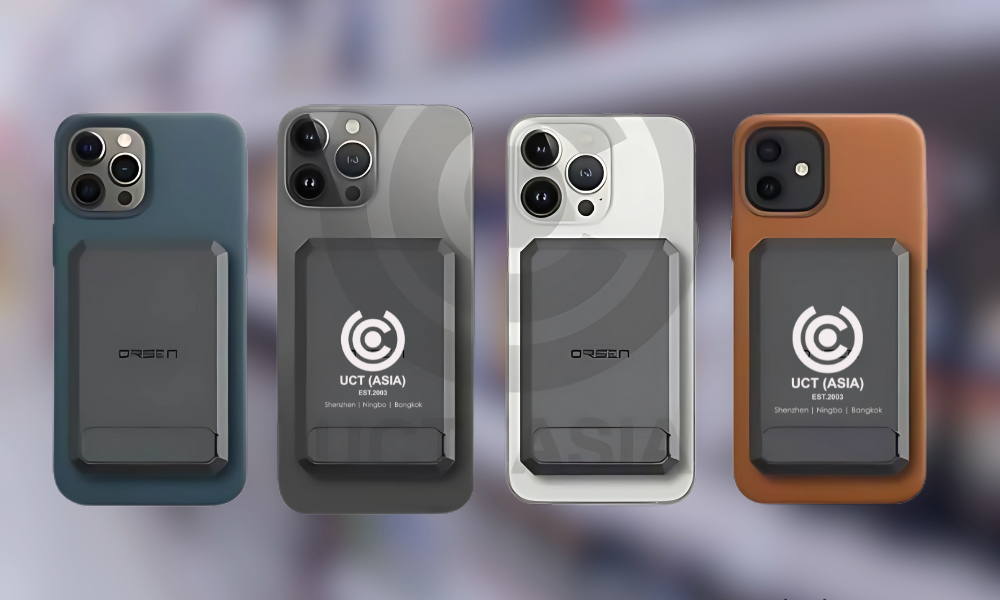
When people attend conferences, they want to leave with something memorable. How do you plan to make your brand stick with them? Do you think they return home thinking about your shiny pitch deck on a screen?
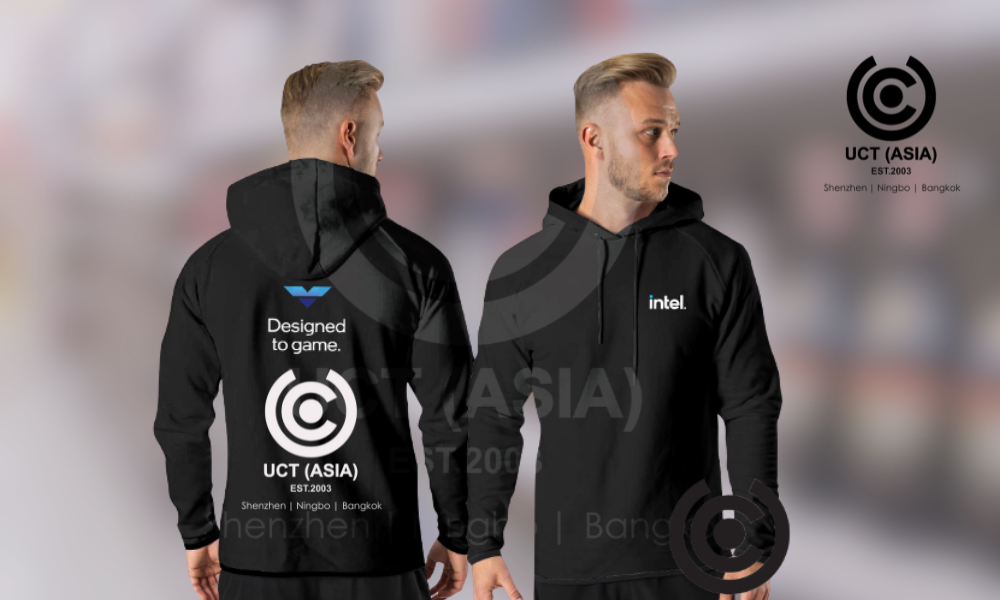
Absolutely not! They go home thinking about the branded power bank that saved their phone from dying or the branded hoodies they go home with. Your booth may get a glance, but your merchandise gets you a second date!
Great conference merchandise helps you attract the right people to your brand and create an impression that sticks. Do you want to keep your brand alive long after the event? Then, these items are your arsenals!
Let’s walk through how to get it right.
What Is Conference Merchandise (And Why It Still Works in 2025)
Conference merchandise often called “swag,” “conference giveaways,” or “trade show promotional products” is any branded item distributed at professional events to build brand awareness, engage attendees, and create lasting impressions.
Unlike digital advertising that disappears with a scroll, physical merchandise creates tangible connections between your brand and potential customers. The psychology is simple but powerful: when someone holds, wears, or uses an item with your logo, they form a physical memory association with your company.
The retention advantage is significant. Research from the Advertising Specialty Institute shows promotional products generate an average of 3,000 impressions over their lifetime[^2^]. Compare that to a social media ad that might get a half-second glance before being forgotten.
But the landscape has evolved. Modern conference attendees expect more than cheap trinkets. They want:
- **Utility:** Items they can actually use
- **Quality:** Products that won’t break in a week
- **Relevance:** Merchandise that fits the event and their professional needs
- **Sustainability:** Eco-conscious options that align with their values
Companies that understand these expectations see measurable results. Those that don’t watch their marketing budget disappear into trash cans.
So, What Makes Merchandise Memorable?
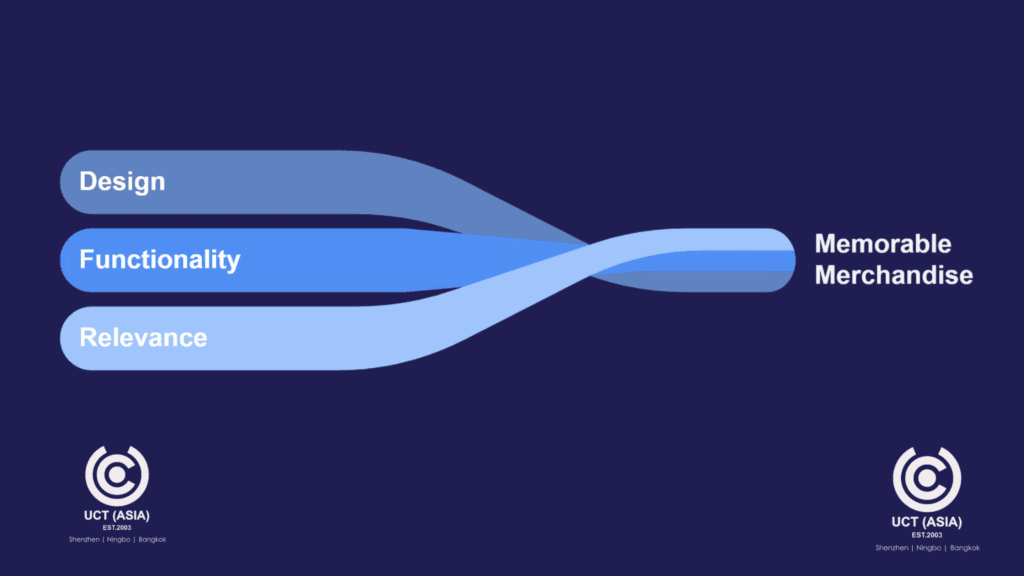
● Relevance is Key
Your conference merchandise must be customer-centric and event-based. You must select merchandise that aligns with your target audience and complements the event’s theme. Let’s take a health and wellness conference, for instance. Choosing reusable water bottles makes perfect sense.
● Prioritize Functionality
According to research, most people keep promotional products for an average of eight months. But that’s only when they find them useful.
● Design Matters
Remember, you’re competing for attention with these attendees, so it’s essential to ensure your conference merchandise is clean, attractive, and professionally designed.
The ROI of Conference Swag: What the Data Shows
Let’s talk numbers. Because without data, conference merchandise decisions are just expensive guesses.
Retention Rates by Product Category:
| Product Type | Average Retention | Cost Range | Impressions/Year |
|---|---|---|---|
| USB drives | 13 months | $5–15 | 900+ |
| Outerwear (jackets/hoodies) | 16 months | $25–75 | 6,000+ |
| Drinkware (bottles/mugs) | 12 months | $8–25 | 2,500+ |
| Bags/totes | 11 months | $10–30 | 3,300+ |
| Desk accessories | 8 months | $5–20 | 1,200+ |
| Writing instruments | 6 months | $1–5 | 600+ |
*Data source: ASI Ad Impressions Study 2023[^1^]*
The numbers tell a clear story: quality beats quantity every time. A single branded jacket that someone wears for 16 months generates more impressions than 50 cheap pens combined.
Cost Per Impression Comparison:
Promotional products consistently outperform other advertising channels on cost efficiency:
- Promotional products: $0.004 per impression[^2^]
- TV advertising: $0.019 per impression
- Magazine advertising: $0.033 per impression
- Online advertising: $0.025-$0.125 per impression
For companies with limited marketing budgets, this makes conference merchandise one of the highest-ROI channels available.
When Swag Pays for Itself:
Conference merchandise becomes profitable when it drives measurable business outcomes:
1. Lead generation: Attracting qualified prospects to your booth
2. Brand recall: Ensuring prospects remember you during the decision phase
3. Relationship building: Creating positive first impressions with key accounts
4. Employee retention: Branded apparel that builds team identity
The threshold varies by industry, but most companies see positive ROI when their merchandise achieves at least 20% retention among target prospects.
How to Choose Conference Merchandise: The 5-Criteria Framework
Selecting the right merchandise isn’t about finding the coolest item on a supplier catalog. It’s about matching the right product to the right audience at the right event.
Use this framework for every conference merchandise decision:
The 5-Criteria Selection Checklist
Criterion 1: Relevance (Audience and Event Alignment)
Does this item make sense for your specific audience and event? A branded hoodie works at an outdoor tech conference in Seattle. The same hoodie at a medical convention in Phoenix? Not so much.
Ask yourself:
- What’s the demographic of attendees?
- What’s the event theme and tone?
- What are attendees doing during the event?
- What’s the weather/climate?
Criterion 2: Functionality (Daily Use Potential)
Will recipients use this item within the first week after the event? The first month? The longer the useful life, the more impressions your brand generates.
High-functionality items include:
- Phone chargers and power banks
- Reusable water bottles
- Quality tote bags
- Notebooks and journals
- Tech accessories (cable organizers, stands)
Low-functionality items (avoid):
- Stress balls
- Generic keychains
- Cheap pens that dry out quickly
- Items with no practical purpose
Criterion 3: Quality (Perception Impact)
Does the item quality match your brand positioning? A cheap, flimsy product sends a message about your company’s attention to detail even if that’s not the message you intend.
Research from the British Promotional Merchandise Association shows that 85% of recipients associate product quality with company quality[^6^]. If your merchandise feels disposable, prospects may subconsciously view your services the same way.
Criterion 4: Memorability (Unique Factor)
Will this item stand out from the dozens of other branded products attendees collect? Differentiation matters.
Memorable approaches include:
- Unexpected product categories (branded plants, cocktail kits)
- Clever design that ties to your brand message
- Interactive elements (QR codes, augmented reality)
- Personalization (names, company logos)
Criterion 5: Sustainability (Environmental Impact)
Can you source this item ethically and sustainably? Modern attendees particularly millennials and Gen Z increasingly expect eco-conscious choices.
Sustainable options include:
- Recycled materials (rPET, recycled paper)
- Organic and Fair Trade certified products
- Reusable items that replace disposables
- Locally sourced merchandise (reduces shipping emissions)
Top Conference Merchandise Categories by Budget
Your budget determines your options, but even modest budgets can generate strong results with strategic choices.
Under $5: High-Volume Brand Awareness
Best for: Large conferences where you need broad reach, early-stage brand awareness campaigns
Top picks:
- Custom stickers: Low cost, high customization, popular with younger demographics
- Quality pens: Skip the cheapest options; invest in smooth-writing instruments
- Lanyards: Essential at most conferences; high visibility
- Screen cleaners: Tech-focused, practical, frequent use
- Buttons/pins: Retro appeal, easy to distribute
Strategy: Focus on items attendees will use during the event itself. Lanyards and pens get immediate use, ensuring your brand stays visible throughout the conference.
$5-$15: Targeted Engagement Drivers
Best for: Mid-sized events, prospect nurturing, lead qualification giveaways
Top picks:
- Reusable water bottles: Daily use, high visibility, eco-friendly messaging
- Tote bags: Utility at conferences (carrying other swag), reuse for shopping
- Notebooks/journals: Professional appeal, extended use
- Phone stands: Desk accessory with constant visibility
- Cable organizers: Tech-focused, solves a real problem
Strategy: These items offer the sweet spot of cost and retention. They’re affordable enough for volume distribution but quality enough to be kept and used.
$15-$25: Premium Statement Pieces
Best for: VIP prospects, executive meetings, high-value account targeting
Top picks:
- Insulated drinkware: Yeti-style tumblers, high perceived value
- Bluetooth speakers: Tech appeal, social sharing potential
- Quality apparel: T-shirts, hats with premium materials
- Travel accessories: Passport holders, luggage tags
- Desk organizers: Professional setting visibility
Strategy: Reserve these for qualified prospects. The higher cost means you need confidence in conversion potential to justify the investment.
$25+: Executive and Key Account Gifts
Best for: C-suite meetings, strategic accounts, partner appreciation
Top picks:
- Branded jackets/outerwear: 16-month average retention, massive impression count
- Premium bags: Laptop bags, briefcases, backpacks
- Tech gadgets: Wireless chargers, smart home devices
- Experiential items: Branded cocktail kits, gourmet food items
Strategy: These should be personalized and strategically targeted. The goal isn’t volume it’s making a memorable impression on decision-makers who can significantly impact your business.
Industry-Specific Merchandise Recommendations
What works at a tech conference falls flat at a medical convention. Tailor your approach to your audience.
Tech Conferences
What works:
- Phone accessories (chargers, stands, cases)
- Laptop bags and sleeves
- Cable organizers and tech kits
- Webcam covers and privacy devices
- Smart home gadgets
Why it works: Tech audiences value utility and innovation. They’ll keep and use items that solve real problems.
Healthcare and Medical Events
What works:
- Hand sanitizer (branded, quality formula)
- Stethoscope tags and accessories
- Compression socks (surprisingly popular)
- Premium pens for charting
- Badge reels and lanyards
Why it works: Healthcare professionals need practical items that survive demanding environments. Quality and functionality trump novelty.
Trade Shows and B2B Events
What works:
- Tote bags (for carrying competitor literature)
- Drinkware (coffee mugs, water bottles)
- Notebooks and pens
- Desk accessories
- Branded apparel (if quality is high)
Why it works: B2B buyers are practical. They want items that make their workday easier, not novelty items that clutter their desk.
Creative and Design Events
What works:
- High-quality notebooks (Moleskine-style)
- Premium pens and art supplies
- Unusual or artistic items
- Sustainable and eco-friendly products
- Interactive or experiential giveaways
Why it works: Creative audiences have higher aesthetic standards. They’ll notice and judge design quality. Standard corporate swag often falls flat.
Turning Merchandise Into Networking Tools
The best conference swag doesn’t just display your logo it starts conversations.
Wearables as Conversation Starters
Branded t-shirts, hats, and jackets turn your prospects into walking billboards but only if they’re stylish enough to wear.
Keys to success:
- Subtle branding: Large logos feel corporate; small, tasteful placement feels premium
- Quality materials: Soft fabrics, good fit, durable construction
- Fashion-forward design: Work with designers who understand current trends
When someone wears your branded hoodie to the conference after-party, they’re signaling affiliation with your brand. Others notice and ask questions.
Interactive Elements: QR Codes and Gamification
Static merchandise is good. Interactive merchandise is better.
QR Code Strategies:
- Link to exclusive content (white papers, case studies)
- Direct to personalized landing pages
- Connect to scavenger hunts or conference games
- Offer post-event discounts or demos
Gamification Approaches:
- Prize wheels at your booth (attendees spin for different merchandise tiers)
- Scavenger hunts requiring visits to multiple locations
- Social media challenges with merchandise rewards
- Instant-win scratch cards on packaging
The Event Marketing Institute found that experiential marketing campaigns generate 65% more brand engagement than static displays[^5^]. Interactive merchandise extends that engagement beyond your booth.
The “Utility Moment” Strategy
Design your merchandise distribution around moments when attendees actually need something:
- Phone dying? Offer branded power banks
- Thirsty after a session? Hand out water bottles
- Carrying too many brochures? Provide tote bags
- Forgot a notebook? Supply quality journals
When your merchandise solves an immediate problem, the positive brand association is significantly stronger.
Distribution Strategies That Maximize Impact
How you distribute merchandise matters as much as what you distribute.
Pre-Event: VIP and Early-Bird Tactics
Strategy: Send merchandise to registered attendees before the conference.
Benefits:
- Your brand is present before competitors
- Recipients arrive at the conference already equipped with your gear
- Creates anticipation and buzz
- Allows for more expensive items (shipping one item vs. bringing hundreds)
Execution:
- Target high-value prospects and existing customers
- Include personalized notes
- Time delivery to arrive 2-3 days before the event
- Track responses and engagement
During Event: Booth Engagement Systems
Strategy: Create structured interactions that determine merchandise tier.
Tiered Approach:
| Interaction Level | Merchandise Tier | Example |
|---|---|---|
| Brief booth visit | Low-cost item | Sticker, pen |
| Business card exchange | Mid-tier item | Tote bag, notebook |
| Demo attendance | Premium item | Water bottle, tech accessory |
| Qualified lead | High-value item | Jacket, bag, gadget |
This approach ensures your highest-value merchandise goes to your highest-value prospects.
Post-Event: Follow-Up Integration
Strategy: Use merchandise as part of your follow-up sequence.
Tactics:
- Send premium items to hot leads within 48 hours
- Include small surprises in proposal packages
- Mail anniversary items to customers acquired at previous conferences
- Create “care packages” for accounts you’re nurturing
The post-event window is when brand recall is highest. Strategic merchandise reinforces your connection while competitors are forgotten.
Mistakes to Avoid in Distribution
❌ Giving everything away on day one. You’ll run out before the most valuable prospects arrive.
❌ No qualification system. Equal distribution means your premium items go to competitors and tire-kickers.
❌ Ignoring the trash can problem. Cheap items often get discarded immediately, creating negative brand associations.
❌ Forgetting the follow-up. The conference is just the beginning. Your distribution strategy should extend weeks beyond the event.
Common Conference Merchandise Mistakes (And How to Avoid Them)
⚠️ Common Pitfalls:
Mistake 1: Buying Before Defining Goals
The Problem: You order 5,000 branded items because “we need swag for the conference” without defining what success looks like.
The Fix: Define specific objectives before purchasing:
- How many qualified leads do we want to generate?
- What’s our target cost per lead?
- Which prospect segments are we prioritizing?
- How will we measure brand recall post-event?
Mistake 2: Prioritizing Quantity Over Quality
The Problem: You order the cheapest items to maximize volume, ignoring that most will be discarded.
The Fix: Calculate cost per retained item, not cost per item ordered:
- 1,000 $1 pens with 10% retention = 100 retained items at $10 each
- 200 $5 water bottles with 80% retention = 160 retained items at $6.25 each
Quality often delivers better ROI than quantity.
Mistake 3: Poor Branding Placement
The Problem: Logos are either too small to notice or so large they make the item unwearable.
The Fix: Work with designers who understand merchandise design:
- Sleeve or subtle chest placement for apparel
- Quality engraving for metal items
- Color-matched branding that complements the product
- Consider “lifestyle branding” over “billboard branding”
Mistake 4: Missing the Sustainability Mark
The Problem: You distribute single-use plastics and environmentally questionable products to an increasingly eco-conscious audience.
The Fix: Audit your merchandise for environmental impact:
- Can it be recycled at end-of-life?
- Is the packaging minimal and recyclable?
- Are materials sustainably sourced?
- Can you offer a “green” product line?
Mistake 5: No Plan for Post-Event Engagement
The Problem: You distribute merchandise and hope for the best, with no system to track or follow up.
The Fix: Build follow-up into your distribution strategy:
- QR codes that link to tracking URLs
- Unique promo codes on merchandise
- Post-event surveys about merchandise quality
- CRM tagging for prospects who received specific items
Sustainability in Conference Merchandise
Environmental consciousness isn’t optional anymore it’s an expectation.
Why Eco-Friendly Matters:
Research from the Promotional Products Association International shows that 46% of consumers have a more favorable opinion of companies that offer environmentally friendly promotional products[^4^]. For younger demographics, that number is even higher.
Sustainable Product Categories:
| Category | Eco-Option | Impact |
|---|---|---|
| Drinkware | Recycled ocean plastic bottles | Removes waste from oceans |
| Apparel | Organic cotton, recycled polyester | Reduces water and chemical use |
| Bags | rPET (recycled plastic) totes | Diverts plastic from landfills |
| Writing instruments | Bamboo or recycled paper pens | Renewable / biodegradable materials |
| Tech accessories | Cork or bamboo phone cases | Sustainable, biodegradable |
Certifications to Look For:
- GOTS (Global Organic Textile Standard): Organic fibers
- Fair Trade Certified: Ethical labor practices
- FSC (Forest Stewardship Council): Responsibly sourced paper/wood
- OEKO-TEX: Chemical-free textiles
- Cradle to Cradle: Circular product design
Communicating Sustainability:
Don’t just make sustainable choices tell the story:
- Include tags explaining the environmental benefit
- Share the story of materials (“made from 12 recycled bottles”)
- Provide end-of-life instructions (recycling, composting)
- Calculate and share your carbon savings
How to Measure Conference Merchandise Success
If you can’t measure it, you can’t improve it. Build tracking into your merchandise strategy from day one.
Tracking Methods
QR Codes and Unique URLs:
- Create unique landing pages for each merchandise item
- Use trackable QR codes that connect physical items to digital metrics
- Measure scans, page visits, and conversion rates
Promo Codes:
- Include unique discount codes on merchandise
- Track redemptions to attribute sales to specific conference items
- Compare conversion rates across different merchandise types
Surveys and Feedback:
- Send post-event surveys asking about merchandise quality and usefulness
- Ask specifically about brand recall and sentiment
- Track Net Promoter Score (NPS) for event attendees vs. non-attendees
ROI Calculation Framework
Basic ROI Formula:
ROI = (Revenue from Conference Leads – Total Conference Investment) / Total Conference Investment × 100
Advanced Attribution:
For more sophisticated tracking, attribute revenue across the customer journey:
| Touchpoint | Attribution Weight | Example Value |
|---|---|---|
| Initial booth visit | 10% | $500 |
| Merchandise received | 15% | $750 |
| Post-event email | 10% | $500 |
| Sales demo | 25% | $1,250 |
| Proposal delivered | 20% | $1,000 |
| Close | 20% | $1,000 |
| Total Deal | 100% | $5,000 |
Key Metrics to Track:
- Cost per lead: Total spend ÷ number of qualified leads
- Cost per retained item: Total merchandise cost ÷ estimated retention count
- Brand recall rate: Percentage of attendees who remember your brand post-event
- Pipeline generated: Total deal value from conference-sourced leads
- Customer acquisition cost (CAC): Total conference spend ÷ new customers acquired
FAQ: Conference Merchandise
Q1: What is conference merchandise?
Conference merchandise (also called “swag” or “promotional products”) refers to branded items distributed at professional events to build awareness, engage attendees, and create lasting brand impressions. Unlike digital ads, physical merchandise creates tangible connections and can generate impressions for months or years.
Q2: How much should I budget for conference swag?
Budget depends on your goals and event size. General guidelines:
- Small events (under 500 attendees): $2,000-$5,000
- Mid-size events (500-2,000): $5,000-$15,000
- Large events (2,000+): $15,000-$50,000+
Calculate $5-$10 per expected qualified lead for mid-tier items, or $20-$50 for VIP/high-value prospects.
Q3: What are the best conference merchandise items for tech events?
Tech audiences value utility and innovation. Top performers include:
- Phone chargers and power banks
- Cable organizers and tech kits
- Laptop sleeves and bags
- Webcam covers and privacy devices
- Screen cleaners
Avoid generic items; tech attendees have high standards for product quality.
Q4: How do I make my conference swag memorable?
Memorable swag stands out through:
- Uniqueness: Unexpected product categories or clever design
- Quality: Premium materials that feel valuable
- Utility: Solves a real problem for the recipient
- Story: Connects to your brand narrative or mission
- Personalization:Names, company logos, or customized elements
Q5: What is the average retention rate for promotional products?
Retention varies significantly by product category. According to ASI research[^1^]:
- Outerwear: 16 months average retention
- USB drives: 13 months
- Drinkware: 12 months
- Bags: 11 months
- Writing instruments: 6 months
Higher-quality items consistently show longer retention periods.
Q6: Are eco-friendly conference merchandise options effective?
Yes and increasingly expected. PPAI research shows 46% of consumers have a more favorable opinion of brands offering sustainable promotional products[^4^]. Eco-friendly options often generate higher retention because recipients feel good about using them.
Q7: How do I distribute merchandise effectively at events?
Effective distribution strategies include:
- Tiered approach: Match merchandise value to prospect quality
- Utility moments: Give items when attendees actually need them
- Interactive elements: Use QR codes and gamification
- Pre-event sends: Target VIPs before the conference
- Post-event follow-up: Continue distribution after the event
Avoid giving everything away on day one or distributing without qualification.
Q8: What makes conference swag different from regular promotional products?
Conference swag is specifically designed for event contexts with:
- Event-specific utility: Items useful during the conference (tote bags for materials, water bottles)
- Higher competition: Must stand out from dozens of other giveaways
- Networking focus: Often designed to facilitate connections
- Immediate impact: Must create impressions during and immediately after the event
Q9: How can I measure ROI on conference merchandise?
Track through:
- Unique QR codes and landing pages
- Promo code redemptions
- CRM tagging and lead scoring
- Post-event surveys on brand recall
- Pipeline attribution from conference-sourced leads
Calculate cost per lead, cost per retained item, and customer acquisition cost.
Q10: What are common mistakes when choosing conference swag?
Common mistakes include:
- Buying without clear goals defined
- Prioritizing quantity over quality
- Poor branding placement (too subtle or too aggressive)
- Ignoring sustainability expectations
- No post-event follow-up plan
Q11: Should I prioritize quality or quantity for conference giveaways?
Quality almost always wins. A smaller number of high-retention items generates more impressions than a large volume of discarded items. Calculate cost per retained item rather than cost per item ordered.
Q12: How far in advance should I order conference merchandise?
Lead times vary by product and customization complexity:
- Standard items: 2–3 weeks
- Custom colors/materials: 4–6 weeks
- Overseas manufacturing: 8–12 weeks
- Complex customization: 6–8 weeks
Order early to avoid rush fees and ensure quality control time.
Mini Glossary: Conference Merchandise Terms
Booth Traffic Driver: Swag designed specifically to attract visitors to your exhibition space.
Cost Per Impression (CPI): The total cost of merchandise divided by the number of times it’s seen by others. Industry average for promotional products is approximately $0.004 per impression[^2^].
CPI (in advertising context): Cost Per Impression the cost each time an advertisement or branded item is viewed.
Eco-Swag: Environmentally sustainable promotional products made from recycled, organic, or biodegradable materials.
Experiential Marketing: Marketing strategy that creates interactive experiences rather than passive advertising. Research shows it generates 65% more engagement than static displays[^5^].
Impression: Each time a promotional item is seen by someone. A branded jacket worn daily might generate 6,000+ impressions per year.
Leave-Behind: Merchandise specifically designed to be kept and used after an event ends, creating ongoing brand exposure.
QR Integration: Using QR codes on physical merchandise to bridge to digital experiences like landing pages, games, or exclusive content.
Retention Rate: The average length of time recipients keep promotional items before discarding them. Key metric for merchandise ROI.
Swag: Industry slang for promotional merchandise or giveaways (origin unclear, possibly from “stuff we all get”).
Wearable: Apparel and accessory items like T-shirts, hats, bags, and jackets designed to be worn, creating mobile brand exposure.
About This Guide:
This guide was developed using research from the Advertising Specialty Institute (ASI)[^1^][^2^], the Promotional Products Association International (PPAI)[^4^], the Event Marketing Institute[^5^], and the British Promotional Merchandise Association (BPMA)[^6^]. Data reflects industry trends as of 2024-2025.
Ready to create conference merchandise that actually works?
Conference merchandise strengthens networking opportunities and extends brand presence beyond event timelines. When carefully curated, items enhance attendee engagement while reinforcing key messaging and sponsor visibility.
UCT (Asia) supports organizers with comprehensive hospitality procurement companies expertise, ensuring conference merchandise is executed seamlessly from sourcing to delivery. Our strategic approach ensures every item contributes to both brand recall and attendee satisfaction.
References
[^1^]: Advertising Specialty Institute (ASI). “2023 Ad Impressions Study.” https://asicentral.com/news/ad-impressions-study
[^2^]: Advertising Specialty Institute (ASI). “Cost Per Impression Analysis: Promotional Products vs. Other Advertising Channels.” https://asicentral.com/research/cost-per-impression
[^3^]: Advertising Specialty Institute (ASI). Industry ROI Benchmarks and Case Studies. https://asicentral.com/research/roi-data
[^4^]: Promotional Products Association International (PPAI). “2024 Trends Report: Sustainability in Promotional Products.” https://ppai.org/research/trends-report
[^5^]: Event Marketing Institute. “Experiential Marketing Engagement Study.” https://eventmarketinginstitute.com/research
[^6^]: British Promotional Merchandise Association (BPMA). “Quality Perception Research: Consumer Associations with Promotional Product Quality.” https://bpma.com/research