
Loyalty doesn’t emerge from visibility alone. It grows when customers repeatedly experience value, recognition, and emotional connection with a brand. Promotional merchandise plays a direct role in that process. PPAI reports that 83 percent of consumers are more likely to engage with a brand after receiving a promotional product, while Nielsen data shows that emotionally driven brand interactions can increase customer lifetime value by over 20 percent. The difference between forgettable merchandise and loyalty-driving assets comes down to one factor: intentional design.
Each item you create should serve a purpose beyond branding. It should fit into a customer’s life, trigger a positive emotion, or reinforce identity. The following examples show how merchandise transforms from simple giveaways into loyalty engines.
1. Tech Gadgets That Integrate Into Daily Life
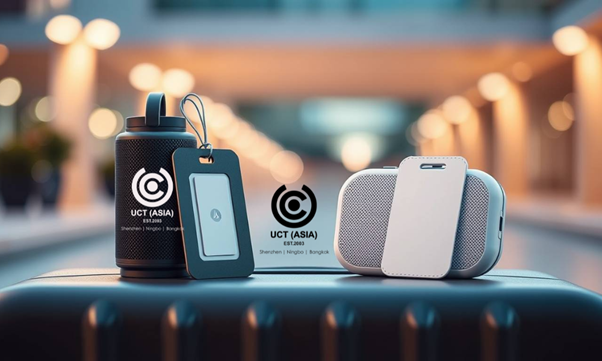
Tech products create repeated exposure because they solve real problems. Items like wireless chargers, earbuds, or portable speakers become part of everyday routines.
Every time a customer charges their phone or listens to music, your brand reappears in a functional context. This repetition builds familiarity, and familiarity drives trust.
Statista data shows that high-utility promotional items significantly outperform decorative ones in retention rates. When a product becomes indispensable, your brand becomes difficult to replace.
2. Multi-Use Keychains That Deliver Practical Value
A standard keychain gets ignored. A multi-functional one earns a permanent place in someone’s pocket.
Consider designs that include:
- Bottle openers
- Mini flashlights
- Phone stands
The value lies in frequency of use. The more often an item solves a problem, the more often your brand is seen. That repeated exposure compounds into long-term recall.
3. VIP Membership Cards That Reinforce Exclusivity
Exclusivity changes how customers perceive your brand. A physical membership card transforms a digital relationship into something tangible.
When paired with benefits like:
- Early product access
- Member-only discounts
- Priority services
You create a reward loop. Customers return not just for products, but for status. This taps directly into behavioral psychology, where perceived privilege strengthens loyalty.
4. Home Essentials That Build Emotional Comfort
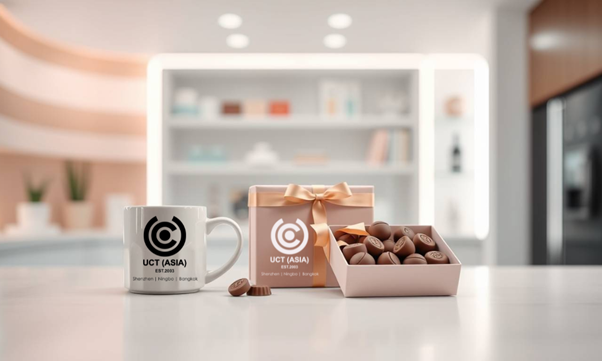
Items like candles, mugs, or blankets operate on a different level. They connect with comfort and routine rather than utility alone.
Imagine a customer drinking coffee from your branded mug every morning. That interaction becomes ritualistic. Over time, your brand embeds itself into moments of relaxation and familiarity.
This emotional anchoring increases trust, which directly influences repeat purchase behavior.
5. Interactive Merchandise That Drives Engagement
Static products deliver visibility. Interactive products create experiences.
Examples include:
- Scratch-off discount cards
- QR-enabled merchandise unlocking exclusive content
- Mystery boxes with surprise elements
Gamification studies show that interactive experiences can increase engagement rates by up to three times. When customers participate rather than passively receive, their connection deepens.
6. Snack Boxes That Trigger Positive Associations
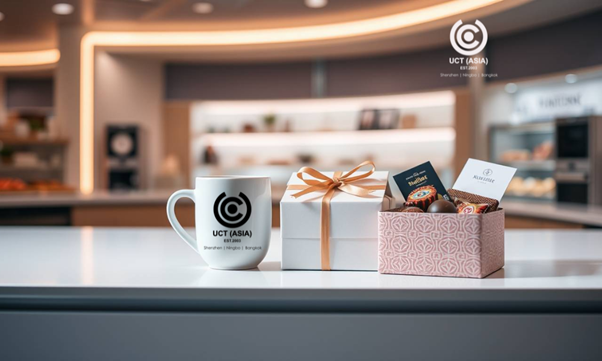
Food-based merchandise activates immediate emotional responses. A well-curated snack box feels personal, thoughtful, and rewarding.
This approach works especially well in:
- Client onboarding
- Seasonal campaigns
- Appreciation programs
The combination of taste and presentation creates a multi-sensory experience. Customers associate that positive feeling directly with your brand.
7. Trendy Apparel That Turns Customers Into Advocates
Wearable merchandise extends your brand beyond the original recipient. A well-designed hoodie or cap transforms into a mobile advertisement.
Unlike generic logo prints, stylish and limited-edition apparel taps into identity. People wear items that reflect who they are or what they support.
Research shows that branded apparel generates thousands of impressions over its lifetime. Each wear multiplies your reach organically.
8. Personalized Notebooks and Luxury Stationery
Personalization changes perception instantly. Adding a customer’s name or initials increases perceived value and emotional attachment.
A 2024 consumer study found that personalized products can boost retention by up to 40 percent. The reason is simple. People value items that feel uniquely theirs.
Instead of mass-produced merchandise, personalized stationery creates a sense of ownership and connection.
9. Custom Game Sets That Encourage Interaction
Games introduce play into brand interaction. Whether it’s a puzzle, card game, or branded board game, the experience becomes shareable.
Customers engage with:
- Friends
- Family
- Colleagues
Your brand becomes part of that interaction. This extends engagement time far beyond what traditional merchandise can achieve.
10. Customized Vinyl Stickers and Laptop Skins
Stickers and skins turn customers into visible brand advocates. When placed on laptops, water bottles, or notebooks, they travel across environments.
The key lies in design. Aesthetic, collectible, and meaningful visuals encourage voluntary display. This shifts your merchandise from promotional to expressive.
Customers don’t just receive your brand. They choose to show it.
Why These Merchandise Types Drive Loyalty
Each category aligns with a specific psychological trigger:
- Utility → frequent use builds familiarity
- Identity → customers express themselves through your brand
- Exclusivity → rewards create retention loops
- Interaction → engagement strengthens connection
- Emotion → positive experiences reinforce trust
When these elements combine, merchandise evolves into a strategic tool rather than a marketing accessory.
Designing Merchandise That Performs
The most effective branded products share three characteristics:
- They solve a real problem
- They create a memorable experience
- They align with customer identity
Instead of asking “What can we give away?” shift the question to “What will customers actually keep and use?”
That shift changes everything.
Let’s Create Merchandise That Customers Keep and Remember
The right merchandise doesn’t just increase visibility. It builds relationships, reinforces identity, and keeps your brand present in everyday life. Businesses that invest in thoughtful, high-utility, and emotionally engaging products consistently outperform those relying on generic giveaways.
If your goal is to create products that customers don’t discard but integrate into their routines, working with experts in branded merchandise solutions gives you a clear advantage in designing items that drive real loyalty and long-term engagement.