
Merchandise in 2025 operates at the intersection of identity, utility, and experience. A product no longer succeeds because it looks good; it succeeds because it signals something, solves something, or connects someone.
Statista reports that over 70% of global consumers now factor sustainability and personalization into purchasing decisions, while McKinsey highlights that brands leveraging personalization can increase revenue by up to 40%. These numbers reshape how merchandise is designed, marketed, and consumed.
Think about your last purchase. Did you buy it because you needed it, or because it felt like it represented you? That distinction drives the entire merchandise landscape today.
What’s Driving Today’s Merchandise Trends?

1. Sustainability: From Preference to Expectation
Sustainability has shifted from a “nice-to-have” feature into a baseline requirement. Consumers now actively evaluate materials, sourcing transparency, and lifecycle impact before making a purchase.
A 2024 Deloitte study found that nearly 60% of Gen Z consumers prefer brands that demonstrate measurable environmental responsibility. This creates a direct relationship:
- Sustainable materials → Increased trust → Higher conversion rates
- Transparent sourcing → Brand credibility → Long-term loyalty
Brands now experiment with recycled fabrics, biodegradable packaging, and circular production models. For example, apparel made from recycled polyester reduces carbon emissions by up to 30% compared to virgin materials.
This trend also taps into identity signaling. Owning eco-conscious merchandise communicates values without saying a word.
2. Limited Editions and Drop Culture
Scarcity drives action. Limited releases, often called “drops,” create urgency by restricting availability and time.
Nike and Supreme built entire business models around this principle, and now smaller brands replicate it using micro-batch production. The psychology behind it is straightforward:
- Limited supply → Fear of missing out (FOMO) → Immediate purchase behavior
Harvard Business Review notes that scarcity can increase perceived value by over 50%, even when the product itself remains unchanged.
Collectors and enthusiasts respond strongly to this model because it transforms merchandise into assets rather than simple products. A hoodie becomes a collectible. A pin becomes a statement piece.
3. Personalization and Identity Commerce
Mass production is no longer enough. Consumers expect products tailored to their preferences, behavior, and identity.
McKinsey reports that 71% of consumers expect personalized interactions, and 76% feel frustrated when this doesn’t happen. That expectation extends directly into merchandise.
Examples of personalization include:
- Custom names and typography
- User-selected color palettes
- AI-generated artwork or designs
- Region-specific or culturally relevant variations
This creates a powerful loop:
- Personalization → Emotional attachment → Repeat purchases → Brand advocacy
When someone owns a personalized item, they rarely see it as replaceable. That increases both perceived value and retention.
4. Technology-Integrated Merchandise
Technology no longer sits outside merchandise; it’s embedded within it.
Smart products blend functionality with branding:
- Wearables with fitness tracking
- NFC-enabled products for digital experiences
- Wireless charging accessories
- Smart water bottles that track hydration
IDC reports that global wearable device shipments continue to grow annually, reinforcing demand for functional merchandise.
This trend introduces a new equation:
- Technology + Design → Utility → Daily usage → Constant brand exposure
Instead of sitting on a shelf, tech-enabled merchandise becomes part of daily routines.
Top Must-Have Merchandise Categories
Top Must-Have Merchandise Categories in 2025
Apparel and Accessories: The Identity Layer
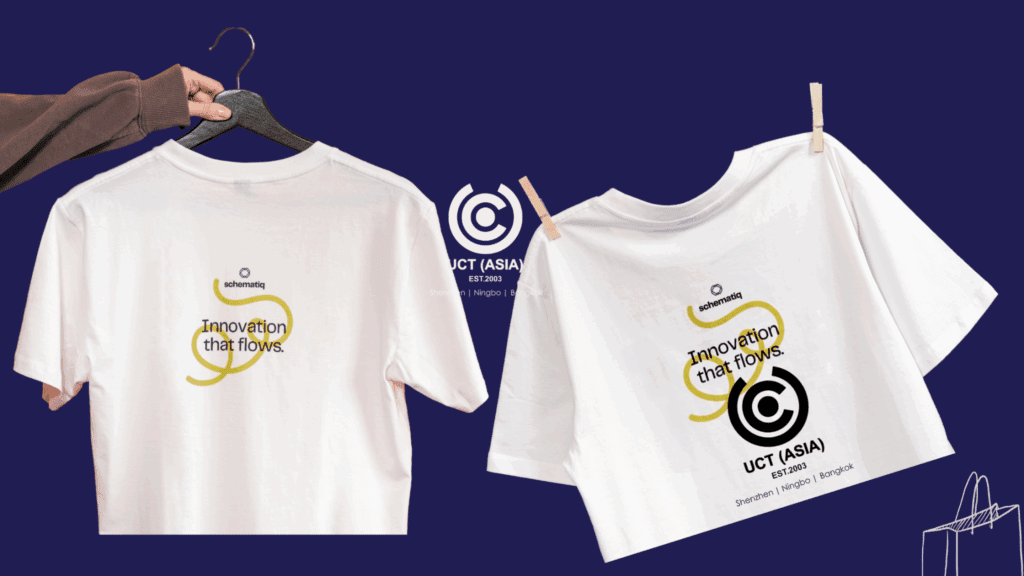
Apparel remains the most visible form of merchandise because it travels with the consumer.
Key innovations include:
- Sustainable fabrics
- Minimalist branding with strong symbolic value
- Oversized and comfort-focused fits
- Modular fashion (interchangeable elements)
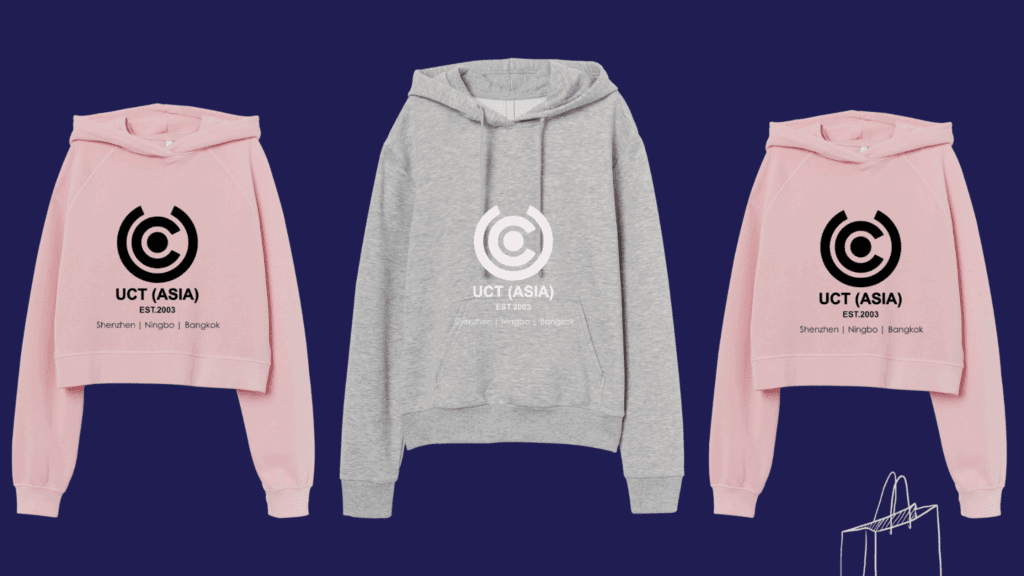
Clothing acts as a mobile billboard, but more importantly, it functions as identity reinforcement. A hoodie isn’t just clothing; it communicates affiliation, taste, and belonging.
Home and Lifestyle Products: Everyday Integration
Home items extend brand presence into personal spaces.
Popular items include:
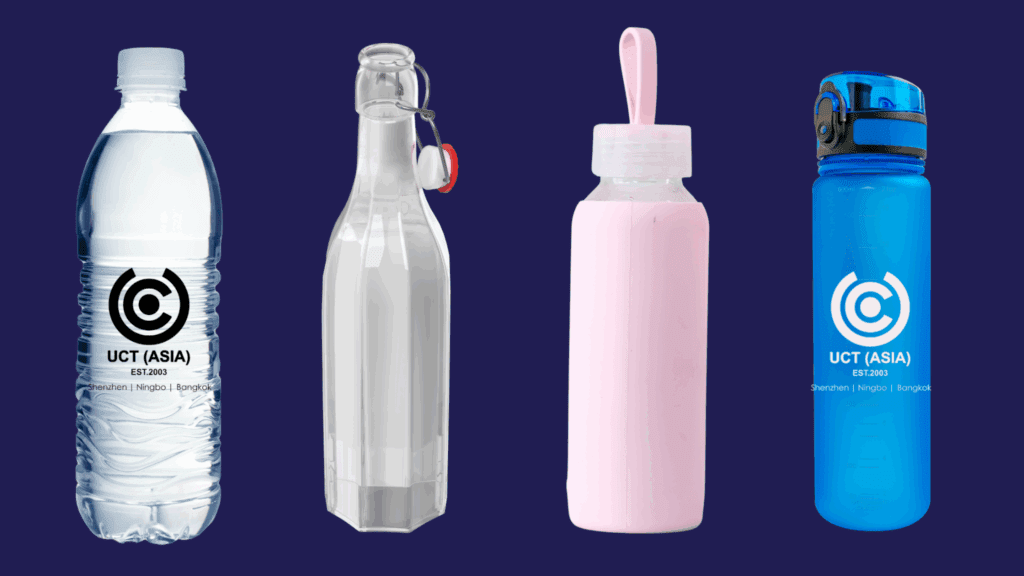
- Reusable water bottles
- Scented candles with brand storytelling
- Minimalist mugs and drinkware
- Decorative storage solutions
These products succeed because they combine:
- Utility → Daily interaction
- Aesthetic → Visual satisfaction
- Meaning → Emotional resonance
A well-designed mug used every morning creates more brand impressions than a rarely worn T-shirt.
Collectibles and Memorabilia: Emotional Assets
Collectors drive a significant portion of merchandise revenue, especially in entertainment, gaming, and sports niches.
High-performing collectible categories include:
- Limited-edition figurines
- Enamel pins
- Art prints and posters
- Trading cards
The mechanism behind collectibles:
- Scarcity → Perceived rarity → Emotional attachment → Secondary market value
Some collectibles appreciate over time, turning merchandise into investment-like assets.
Desk and Productivity Accessories: Functional Visibility
Workspaces, whether at home or in offices, create consistent exposure opportunities.
Common products:
- Notebooks and planners
- Mousepads and desk mats
- Cable organizers
- Ergonomic accessories
These items operate on a simple principle:
- Daily usage → Repeated exposure → Brand familiarity → Trust building
Unlike impulse purchases, these products integrate into routines, increasing long-term value.
How to Choose the Right Merchandise
Choosing merchandise in 2025 requires balancing emotional appeal with practical function.
1. Utility: Does It Fit Into Daily Life?
Products used frequently deliver higher return on investment. A power bank offers more exposure than a decorative item.
2. Emotional Resonance: Does It Mean Something?
People keep items that reflect identity, memories, or belonging. Emotional value often outweighs functional value.
3. Durability: Will It Last?
Low-quality merchandise damages brand perception. High-quality materials extend both lifespan and brand credibility.
4. Differentiation: Does It Stand Out?
Unique design, storytelling, or functionality separates memorable products from forgettable ones.
5. Shareability: Will People Show It?
Social media plays a role in merchandise success. Visually appealing or unique items get shared, amplifying reach organically.
Merchandise Strategy Framework (2025 Model)
| Factor | Low-Impact Product | High-Impact Product |
|---|---|---|
| Utility | Rarely used | Used daily |
| Emotional Value | Generic | Personalized or meaningful |
| Scarcity | Mass-produced | Limited edition |
| Sustainability | Not considered | Eco-conscious materials |
| Technology | None | Functional integration |
Products that score high across multiple dimensions outperform competitors consistently.
Advanced Insight: Why These Trends Work
Each trend connects to a deeper behavioral driver:
- Sustainability → Ethical identity signaling
- Scarcity → Loss aversion and urgency
- Personalization → Self-expression and control
- Technology → Convenience and habit formation
When combined, these drivers create powerful engagement loops. For example:
A limited-edition, personalized, eco-friendly smart product doesn’t just sell. It builds loyalty, generates social proof, and reinforces brand identity simultaneously.
Strategic Brand Application
Brands that succeed in 2025 follow a layered approach:
- Start with a core identity
- Align products with consumer values
- Introduce scarcity strategically
- Integrate personalization options
- Add functional or technological enhancements
This creates a merchandise ecosystem rather than isolated products.
Want to Build Merchandise That Actually Performs?
The market no longer rewards generic products. It rewards relevance, meaning, and execution.
UCT (Asia) positions itself within this shift by focusing on custom-built merchandise strategies that combine design, functionality, and consumer psychology. Instead of replicating trends, the focus moves toward creating products that align with brand identity while delivering measurable engagement and retention.
If your current merchandise isn’t generating attention, loyalty, or repeat demand, the issue isn’t visibility. It’s alignment.