
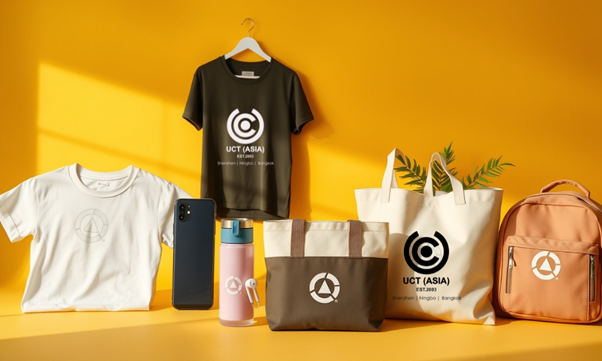
A water bottle that funds clean water projects. A t-shirt that supports education for children in rural communities. A tote bag that contributes to ocean cleanup efforts. These are not just products. They represent a shift in how people choose to spend their money and how brands choose to make an impact.
Charity merchandise sits at the intersection of everyday shopping and social good. It allows people to support causes they care about through items they already use. This model has grown steadily because it creates value for everyone involved. Nonprofits receive sustainable funding and increased visibility. Brands build stronger relationships with their customers. Buyers get to participate in meaningful action without changing their daily habits.
What Is Charity Merchandise?
Charity merchandise refers to physical products created specifically to support a nonprofit organization, social initiative, or humanitarian cause. When someone purchases these items, a portion of the revenue goes directly toward funding programs, awareness campaigns, or operational costs tied to that cause.
Common examples of charity merchandise include:
- Branded apparel such as t-shirts, hoodies, caps, and socks that display cause-related messaging
- Reusable products like water bottles, tote bags, lunch containers, and coffee cups
- Eco-conscious items made from bamboo, recycled plastics, organic cotton, or other sustainable materials
- Small promotional goods including pins, keychains, notebooks, stickers, and limited-edition collectibles
For charities, merchandise offers two clear advantages. First, it generates unrestricted income that organizations can use where it is needed most. Second, it extends brand visibility into everyday environments such as offices, schools, gyms, coffee shops, and public spaces. Every product becomes a conversation starter and a reminder of the cause.

Why Brands Are Investing in Charity Merchandise
The most obvious reason to embrace charity merchandise is that it supports positive change. But beyond social responsibility, cause marketing offers measurable business benefits that directly impact the bottom line.
Research from Cone Communications (2017) found that 87% of consumers will purchase a product because a company advocated for an issue they cared about. Additionally, 76% of consumers would refuse to buy a product if they found out a company supported an issue contrary to their beliefs. This data shows that consumers increasingly expect brands to stand for something beyond profit.
Here is why businesses should consider charity merchandise as part of their strategy:
1. Enhanced Brand Reputation
Supporting a cause through merchandise builds customer trust and increases credibility. According to a 2020 Porter Novelli study, 71% of consumers believe companies should help improve social and environmental conditions. When brands visibly contribute to causes, they signal that they share their customers’ values.
2. Increased Sales and Customer Loyalty
Products that support a cause attract more attention and encourage repeat purchases. A report by Corporate Social Responsibility Newswire found that cause-related marketing campaigns consistently outperform traditional marketing in terms of engagement and recall. Customers remember brands that stand for something.
3. Expanded Reach and Awareness
Every piece of merchandise becomes a mobile advertisement. When someone wears a cause-related t-shirt or carries a branded tote bag, they expose the cause and the brand to new audiences organically. This word-of-mouth exposure is more credible than paid advertising because it comes from real people.
The Psychology Behind Purpose-Driven Purchasing
Charity merchandise taps into a behavioral concept researchers call “warm-glow giving.” This theory, first described by economist James Andreoni in 1990, suggests that people experience internal satisfaction from acts of charitable giving. The visibility of that contribution enhances the feeling, especially when it aligns with personal values.
Unlike one-time donations that fade from memory, merchandise keeps the contribution present. Each use reinforces the decision to support the cause. This sustained visibility deepens emotional attachment and encourages repeat engagement with both the brand and the cause.
A 2019 study published in the Journal of Consumer Psychology found that consumers who purchased cause-related products reported higher levels of satisfaction with their purchase compared to those who bought standard products at the same price point. The emotional connection to the cause added perceived value beyond the physical product.
The result is not just a transaction but an ongoing relationship between the buyer, the brand, and the cause. Each time the customer uses the product, they are reminded of their positive impact.
Creating Value for All Stakeholders
Well-executed charity merchandise programs create a win-win-win scenario for everyone involved.
| Stakeholder | Key Benefits |
|---|---|
| Charities | Sustainable funding, increased awareness, expanded donor base |
| Businesses | Stronger brand equity, customer loyalty, competitive differentiation |
| Customers | Functional products that reflect personal values, sense of participation |
For example, consider a brand that launches a limited-edition apparel line supporting reforestation efforts. Environmentally conscious consumers are drawn to the product because it aligns with their values. The purchase funds measurable tree-planting outcomes. The customer becomes part of the environmental solution through a simple buying decision. The product communicates purpose, the purchase funds action, and the customer joins the story.
Patagonia’s “1% for the Planet” program demonstrates this approach at scale. Since 1985, the company has donated 1% of sales to environmental causes, contributing over $140 million to grassroots organizations. Their customers know that every purchase supports environmental protection, creating a powerful bond between brand and buyer.
Transparency Builds Trust
Credibility in cause marketing depends entirely on clarity. Vague claims like “a portion of proceeds supports charity” undermine trust because they lack specificity. Customers want to know exactly how their purchase makes a difference.
Effective charity merchandise programs clearly communicate:
- Exact contribution amounts: Whether it is 10% of the sale price or a fixed dollar amount per item
- Named partner organizations: Which specific nonprofits or projects receive the funding
- Measurable impact: What outcomes the contributions create, such as “each t-shirt provides 10 meals” or “every water bottle funds one day of clean water access”
A 2018 study by the Better Business Bureau found that transparency about donation amounts significantly increased consumer trust in cause marketing campaigns. Brands that disclosed specific contribution percentages scored higher on trust metrics than those using vague language.
Many successful campaigns also align the product itself with the mission. Using sustainable materials or ethical production practices reinforces the message through both design and sourcing. If the cause is environmental, the product should minimize environmental impact. If the cause is social justice, the supply chain should reflect fair labor practices.
Common Challenges and How to Address Them
While charity merchandise offers clear benefits, brands must navigate several common challenges to execute successfully.
Challenge 1: Cause-Brand Misalignment
Customers can spot inauthentic partnerships quickly. A fast-fashion brand suddenly claiming to support environmental causes without changing its practices faces justified skepticism. The solution is genuine alignment between the brand’s existing values and the chosen cause.
Challenge 2: Impact Washing
Similar to greenwashing, impact washing occurs when brands exaggerate or fabricate their social contributions. The Federal Trade Commission has issued guidelines on environmental marketing claims to prevent deceptive practices. Brands should ensure all claims are verifiable and specific.
Challenge 3: Low Product Quality
Charity merchandise that falls apart after a few uses damages both the brand and the cause. Poor quality products end up in landfills rather than creating ongoing visibility. Investing in durable, well-designed products ensures the message continues to spread.
Implementing a Charity Merchandise Program
Organizations looking to launch charity merchandise programs should follow a structured approach to maximize impact and avoid common pitfalls.
Step 1: Select the Right Cause Partner
Choose a nonprofit or cause that genuinely aligns with your brand values and resonates with your target audience. The partnership should feel natural, not forced. Consider causes that connect to your industry, company history, or customer interests.
Step 2: Design Products That Communicate Purpose
The merchandise itself should tell the story. Design elements should clearly communicate the cause while maintaining brand consistency. Consider how the product will be used and where it will be seen. A well-designed product extends the message further.
Step 3: Establish Clear Contribution Terms
Decide exactly how much will be donated and communicate this transparently. Whether it is a percentage of sales, a fixed amount per unit, or a total commitment for the campaign, clarity builds trust.
Step 4: Source Responsibly
Work with manufacturers who share your commitment to ethical production. Consider environmental impact in material selection and production methods. The way the product is made should align with the cause it supports.
Step 5: Measure and Report Impact
Track the results of your campaign and share them with customers. How much was raised? What did it accomplish? Reporting back to buyers closes the loop and encourages future participation.
Case Studies: Charity Merchandise in Action
TOMS Shoes
TOMS pioneered the one-for-one model, donating a pair of shoes for every pair purchased. While the company has evolved its approach over time, the initial model demonstrated how merchandise could directly fund social impact. TOMS has provided over 100 million pairs of shoes to children in need while building a billion-dollar brand.
Love Your Melon
This apparel brand donates 50% of net profits to pediatric cancer research and support. By partnering with hospitals and organizations serving children with cancer, Love Your Melon has donated over $10 million while building a loyal customer base passionate about the cause.
(Product) RED
This licensed brand partners with companies like Apple, Starbucks, and Nike to create red-branded products that fund HIV/AIDS programs in Africa. Since 2006, (RED) has generated over $700 million for the Global Fund, proving that major brands can leverage their reach for significant social impact.
Key Considerations for Product Selection
The types of products chosen for charity merchandise campaigns influence both sales and impact. Consider these factors when selecting items:
Everyday Utility: Products that people use regularly provide ongoing visibility. Water bottles, tote bags, and apparel offer more exposure than items that sit in drawers.
Quality Perception: Higher quality products create stronger associations with the cause and brand. A well-made item reflects well on both the nonprofit and the company supporting it.
Demographic Fit: Products should appeal to the target audience. Tech accessories might work for a young professional demographic, while reusable grocery bags might resonate more with environmentally conscious families.
Production Scalability: Ensure the supply chain can handle demand fluctuations without compromising quality or ethical standards.
The Future of Purpose-Driven Commerce
Charity merchandise represents a broader shift in consumer expectations. Buyers increasingly want their purchases to reflect their values. They seek transparency about impact and authentic connections to causes.
Research from IBM and the National Retail Federation (2020) found that nearly 70% of consumers in the United States and Canada think it is important that brands are sustainable or eco-friendly. Among millennials, that number rises to nearly 80%. This trend continues to grow across all demographics.
Brands that meet this expectation through well-executed charity merchandise programs build lasting competitive advantages. They create emotional connections that transcend transactional relationships. They turn customers into advocates who spread the message organically.
Conclusion: Turning Products Into Lasting Impact
Charity merchandise shows how the simple act of purchasing an item can become a powerful force for good — turning brand engagement into purpose-driven impact. When customers feel that their merchandise purchase contributes to a greater cause, it strengthens emotional connection and enhances brand loyalty.
As a promotional merchandise supplier, UCT (Asia) supports brands in creating purpose-led merchandise programs that do more than promote visibility — they foster community, drive positive change, and deepen customer trust. Thoughtful charity merchandise initiatives help brands amplify both social impact and brand relevance.
Sources
1. Cone Communications (2017). “2017 Cone Communications CSR Study.”
2. Andreoni, J. (1990). “Impure Altruism and Donations to Public Goods: A Theory of Warm-Glow Giving.” *The Economic Journal*, 100(401), 464-477.
3. Porter Novelli (2020). “Purpose Perception Study.”
4. Journal of Consumer Psychology (2019). Studies on cause-related purchasing satisfaction.
5. Better Business Bureau (2018). Research on transparency in cause marketing.
6. IBM and National Retail Federation (2020). “Consumer research on sustainability preferences.”
7. Corporate Social Responsibility Newswire. Reports on cause-related marketing campaign performance.
*Note: Impact statistics and program details for case studies cited are based on publicly reported figures from respective organizations.*