
The Ultimate Guide to Dog Merchandise: Trends, Must-Have Products, and Where to Shop in 2026

If you are running a pet business, you already know the numbers are staggering. According to the American Pet Products Association (APPA), 66% of US households own a pet, and total pet industry spending is projected to hit $150.6 billion. The pet accessories market alone, valued at $30.6 billion in 2024, is on track to reach $49 billion by 2033.
That is a 5.38% compound annual growth rate (CAGR).
But here is the challenge. How do you actually source products that will sell? Where do you find reliable suppliers who will not disappear after your first order? And what merchandise categories are worth your investment in 2026?
This guide breaks down exactly what pet business owners, retailers, and distributors need to know. We will cover the hottest dog merchandise trends, must-have product categories, and practical sourcing strategies based on current market data.
Why the Dog Merchandise Market Is Exploding Right Now
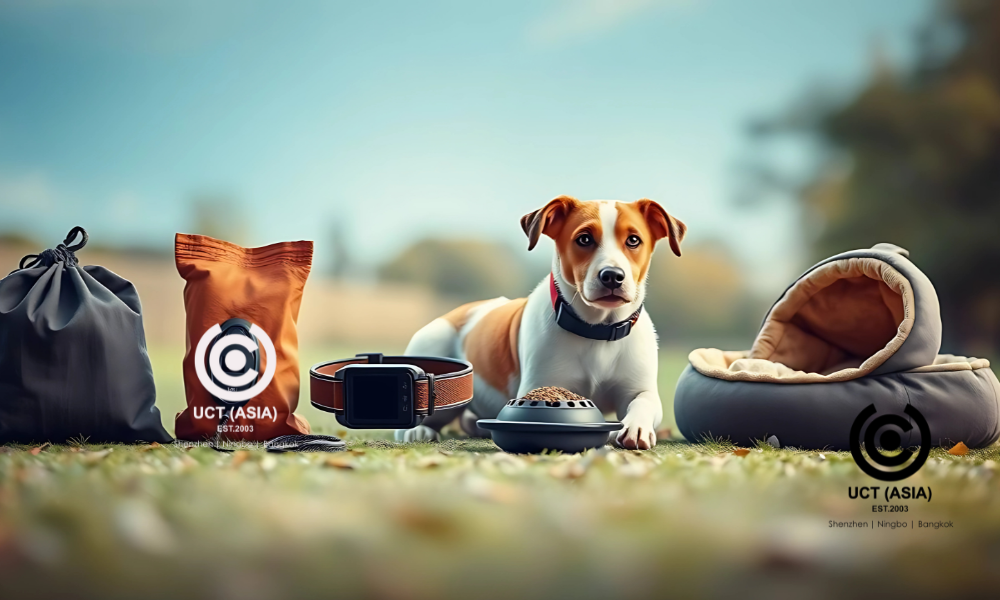
The pet industry has shifted dramatically. Dogs are no longer just animals. They are family members. And pet owners are spending accordingly.
According to Mordor Intelligence’s 2024 market analysis, North America holds 41.4% of the global pet accessories market share. This dominance comes from higher disposable incomes, greater pet humanization trends, and an established retail infrastructure that supports premium product distribution.
But the real growth story is happening globally. The Asia-Pacific region is seeing rapid adoption of Western pet care standards, while European markets are driving demand for sustainable and ethically sourced products.
For businesses, this means opportunity. But it also means competition. To stand out, you need to stock what customers actually want.
2026 Dog Merchandise Trends Driving Sales

Smart Pet Technology Is No Longer Optional
Remember when GPS collars were a novelty? Those days are gone. According to IMARC Group’s market projections through 2033, IoT transformation is reshaping how pet owners interact with products.
Here is what is actually selling:
GPS Tracking Collars offer real-time location, geofencing, and activity monitoring at wholesale prices of $25-$75 per unit.
Automatic Feeders provide portion control, smartphone scheduling, and camera integration, typically priced $30-$90 per unit.
Health Monitoring Wearables track heart rate, sleep analysis, and vet data sharing capabilities, ranging from $40-$120 per unit wholesale.
Smart Pet Doors with microchip recognition and app-controlled access command $80-$200 per unit.
The data shows pet owners want products that give them control and peace of mind. They want to know where their dog is, what they are doing, and whether they are healthy. Smart technology answers all three questions.
Sustainable Products Are Becoming the Standard
Here is a statistic that should influence your sourcing decisions: 73% of millennials are willing to pay more for sustainable products. And millennials represent the largest demographic of pet owners.
The sustainable pet product category includes biodegradable poop bags made from cornstarch or plant-based materials, organic treats sourced from certified sustainable farms, recycled-material dog beds using reclaimed ocean plastic or textile waste, natural grooming products free from parabens sulfates and artificial fragrances, and hemp and bamboo accessories as alternatives to synthetic materials.
According to market research from Mordor Intelligence, eco-conscious consumers are actively seeking brands that prioritize ethical sourcing. This is not a niche anymore. It is becoming the baseline expectation.
Personalization at Scale
Custom merchandise is trending hard. Pet owners want products that feel unique to their dog. This includes engraved ID tags with custom fonts and designs, breed-specific accessories tailored to physical characteristics, personalized feeding stations with pet names, and custom apparel matching owner outfits.
The manufacturing technology now exists to offer personalization without killing your margins. Digital printing, laser engraving, and on-demand production mean you can offer custom options at competitive price points.
Mental Health and Enrichment
Pet mental health has entered mainstream consciousness. This trend has created demand for puzzle feeders that challenge dogs mentally during meal times, calming treats containing CBD melatonin or herbal blends, anxiety wraps applying gentle pressure during stressful events, interactive toys with varying difficulty levels, and sensory enrichment products like lick mats and snuffle mats.
The American Kennel Club reports that enrichment activities can reduce destructive behaviors by up to 85%. Pet owners are listening and buying accordingly.
Must-Have Dog Product Categories for Retailers
Premium Nutrition and Functional Treats
Pet owners are reading labels. They want grain-free options, limited ingredient diets, and functional treats that address specific health concerns.
Key subcategories include protein-rich dry foods with named meat as the first ingredient, freeze-dried raw toppers for adding nutrition to kibble, dental chews with VOHC approval for tartar control, calming treats with proven ingredients like L-theanine and chamomile, and joint supplements containing glucosamine and omega-3s.
Safety-First Collars, Leashes, and Harnesses
Safety features are becoming non-negotiable. Best-selling items include reflective and LED collars for nighttime visibility, GPS-enabled options with subscription-based tracking services, no-pull harnesses with front-clip designs, adjustable fits accommodating dogs from 5 to 150 pounds, and breakaway collars that release under pressure to prevent choking.
Comfort-Driven Sleep Solutions
Dog beds have evolved beyond stuffed cushions. Current market leaders offer orthopedic memory foam for joint support especially in senior dogs, cooling gel inserts for temperature regulation, waterproof liners protecting the foam core, machine-washable covers in durable stain-resistant fabrics, and raised cot designs keeping dogs off hot or cold floors.
Travel and Adventure Gear
More pet owners are traveling with their dogs. This has created demand for airline-approved carriers meeting specific dimension requirements, seat belt harnesses crash-tested for vehicle safety, portable water dispensers for hiking and outdoor activities, foldable travel bowls taking minimal packing space, and car seat covers protecting upholstery from fur and scratches.
Where to Source Dog Merchandise: A Business Owner’s Guide
Finding reliable suppliers is the biggest pain point for pet business owners. Here are your options, ranked by practicality.
Wholesale and Bulk Suppliers
Buying wholesale remains the most cost-effective approach for established retailers. Typical minimum order quantities (MOQs) range from $500 to $5,000 depending on the supplier.
Advantages include lowest per-unit costs, established quality standards, and predictable shipping schedules.
Challenges include high upfront investment, storage space requirements, and risk of unsold inventory.
Custom Manufacturing and Private Label
For brands looking to differentiate, private labeling offers exclusivity. You work directly with manufacturers to create products carrying your branding.
According to Mordor Intelligence’s competitive landscape analysis, private label pet products are gaining market share as consumers become less brand-loyal and more focused on value and quality.
What you need to know: MOQs typically start at 1,000 units per SKU. Lead times range from 30 to 90 days. Custom packaging options add 10-15% to costs. Quality control inspections are essential.
B2B Online Marketplaces
Platforms like Alibaba, Faire, and Tundra have democratized access to pet product suppliers. They offer lower MOQs than traditional wholesale, buyer protection programs reducing fraud risk, direct communication with manufacturers, and product variety spanning every category.
Sustainable and Ethical Sourcing
Eco-conscious consumers want transparency. If you are marketing sustainable products, you need to verify your supply chain.
Look for suppliers with B Corp certification meeting social and environmental standards, GOTS certification for organic textiles, FSC certification for wood and paper products, and Fair Trade certification ensuring ethical labor practices.
Working With a Sourcing Partner
This is where companies like UCT Asia add value. A dedicated sourcing partner handles supplier vetting and quality audits, negotiation for competitive pricing, logistics coordination including customs and shipping, quality control inspections before shipment, and product development for custom merchandise.
For businesses without established supplier relationships, a sourcing partner eliminates the trial-and-error phase and gets you to market faster.
Product Sourcing Checklist for Pet Businesses
Before placing any wholesale order, verify these points:
1. Product safety certifications to avoid liability issues and recalls
2. Supplier business registration to confirm you are dealing with a legitimate company
3. Sample evaluation to test quality before committing to bulk orders
4. Shipping and duty calculations since hidden costs can destroy margins
5. Return and defect policies to protect yourself against quality issues
6. Minimum order quantities to ensure they align with your inventory capacity
7. Lead times to plan for seasonal demand fluctuations
Frequently Asked Questions
What is the profit margin on dog merchandise?
Retail margins typically range from 40% to 60% depending on the category. Premium and custom products can command higher margins, while commodity items like basic collars and leashes see tighter spreads.
How do I find reliable dog merchandise suppliers?
Start with trade shows like Global Pet Expo or Interzoo. Use B2B marketplaces with buyer protection. Request samples before bulk orders. And consider working with a sourcing partner who has established supplier relationships.
What dog products have the highest demand?
Based on 2024-2026 market data, smart collars, sustainable poop bags, orthopedic beds, and functional treats show the strongest growth trajectories. Interactive toys and enrichment products are also seeing increased demand.
Is the pet accessories market growing?
Yes. The market is projected to grow from $30.6 billion in 2024 to $49 billion by 2033, representing a 5.38% CAGR. North America leads with 41.4% market share, but Asia-Pacific shows the fastest growth rates.
What should I look for in a dog merchandise supplier?
Prioritize suppliers with product safety certifications, transparent pricing, reasonable MOQs, and clear communication. Ask for references from other buyers. And always request product samples before placing large orders.
Final Thoughts
The pet industry is booming, but competition is fierce. Businesses must stay ahead by offering in-demand, high-quality products. Whether it’s sustainable pet gear, smart tech, or luxury accessories, the right selection makes all the difference.
If you are looking for a trusted sourcing partner, this branding merchandise agency has you covered. Whether you need wholesale deals, custom branding, or sustainable products, we connect you with the best pet merchandise.
Get in touch with us today!