
The Evolution of Branded Sports Merchandise: From Collectibles to High-Fashion Statement Pieces
In 1985, Michael Jordan stepped onto the court wearing the Air Jordan 1, a move that reshaped both sports and fashion. What started as performance footwear quickly turned into a cultural symbol, setting the foundation for a new category where sport, identity, and style intersect.
Today, the global sports merchandise industry exceeds 30 billion dollars, with growth driven not just by fans, but by consumers who treat sportswear as everyday fashion. This shift didn’t happen overnight. It evolved through cultural influence, athlete branding, and strategic collaborations that transformed simple merchandise into high-value fashion assets.
From Fan Gear to Everyday Fashion
Sports merchandise originally served a single purpose: signaling loyalty. Jerseys, caps, and scarves connected fans to teams and players, functioning as emotional symbols rather than fashion items.
These products followed a straightforward model:
- Team identity → Fan purchase → Game-day usage
Over time, that model expanded. As sports leagues grew globally and media exposure increased, merchandise began appearing outside stadiums. A jersey was no longer confined to match day. It entered daily life.
This marked the first transformation:
- Fan gear → Lifestyle apparel → Identity expression
Wearing a team jersey on the street started to communicate more than support. It reflected taste, cultural awareness, and social belonging.
The Cultural Shift: Athletes and Music Redefine Style
The late 1990s and early 2000s introduced a powerful shift driven by cultural convergence. Athletes like Allen Iversonredefined how sportswear could be worn, blending performance gear with streetwear aesthetics.
At the same time, hip-hop culture amplified this transformation. Artists embraced oversized jerseys, branded sneakers, and team apparel as part of their identity. This crossover created a feedback loop:
- Athletes influence music culture
- Music amplifies sportswear visibility
- Consumers adopt both as lifestyle signals
This dynamic turned sports merchandise into a cultural currency. Items were no longer just worn; they were interpreted.
Sports Merchandise Goes Mainstream
As visibility increased, brands recognized the commercial potential of this shift. Sportswear companies began designing products that appealed beyond core fans.
This led to the rise of the streetwear economy, where scarcity, storytelling, and design drove demand.
Key transformation:
- Performance gear → Fashion-driven product → Mass cultural adoption
Brands like Nike and Adidas expanded their focus, investing in design, collaborations, and limited releases.
The result was a new category where sports merchandise competed directly with traditional fashion brands.
The Rise of High-Fashion Collaborations
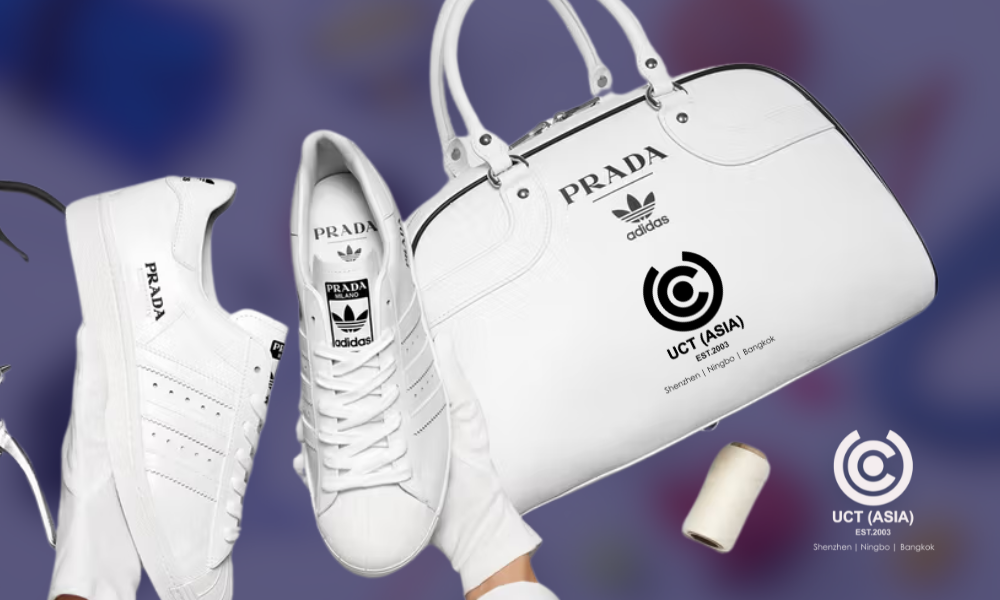
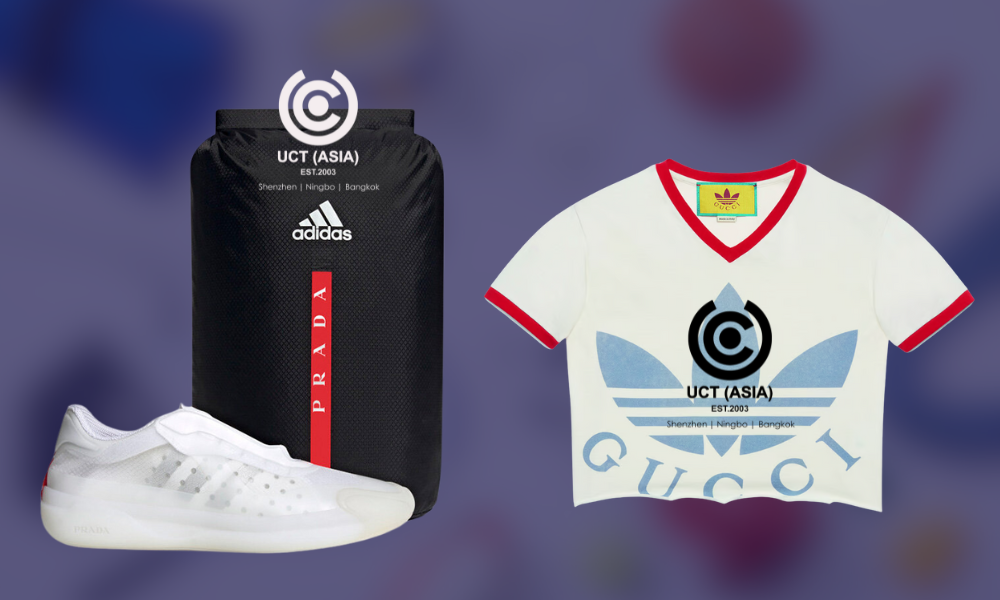
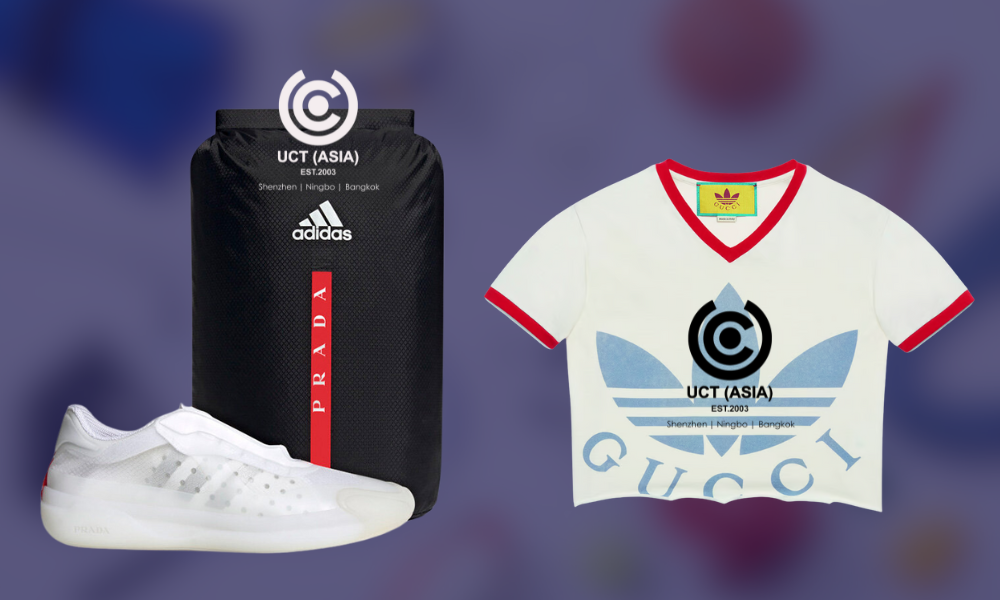
The past decade pushed sports merchandise into luxury territory. Collaborations between sportswear brands and high-fashion houses redefined value perception.
Notable examples include:
- Air Jordan 1 Dior
- Prada partnering with Adidas
These collaborations follow a precise formula:
- Limited supply → Heightened demand → Instant sell-outs
- Luxury branding → Elevated perception → Premium pricing
According to Business of Fashion insights, limited-edition drops often sell out within minutes, reinforcing the power of scarcity-driven demand.
This stage introduced luxury-sports convergence, where merchandise operates simultaneously as fashion, investment, and cultural artifact.
Why This Evolution Works
Several underlying mechanisms explain the success of modern sports merchandise:
1. Identity Signaling
Consumers use branded items to express affiliation, taste, and status. A limited sneaker or jersey communicates more than preference; it signals belonging to a specific cultural group.
2. Scarcity and Hype Cycles
Limited releases create urgency. The fear of missing out drives immediate purchasing decisions and fuels secondary markets.
3. Athlete-Driven Brand Equity
Athletes act as global influencers. Their association transfers credibility and desirability to products.
4. Cross-Industry Collaboration
Fashion, music, and sports merge to create hybrid products that appeal to broader audiences.
Together, these factors form a powerful system:
Cultural relevance → Increased demand → Higher perceived value → Stronger brand equity
Business Implications: A New Merchandise Strategy
For brands, this evolution changes everything. Merchandise is no longer an accessory to the brand; it becomes a central growth driver.
Key opportunities include:
- Expanding beyond core fans into lifestyle consumers
- Increasing margins through premium and limited products
- Strengthening brand identity through design and storytelling
- Leveraging collaborations to access new audiences
Brands that treat merchandise strategically outperform those that view it as simple promotional material.
The Modern Merchandise Framework
| Dimension | Traditional Merchandise | Modern Sports Merchandise |
|---|---|---|
| Purpose | Fan support | Identity + fashion + status |
| Design | Functional | Style-driven and trend-focused |
| Distribution | Mass availability | Limited drops and exclusivity |
| Value Perception | Low to moderate | High and often collectible |
| Audience | Fans only | Global lifestyle consumers |
The shift across these dimensions explains why sports merchandise now commands both cultural relevance and premium pricing.
Where the Industry Is Heading
Younger consumers entering the market bring expectations shaped by digital culture and streetwear:
- Personalization as a baseline
- Limited releases as standard
- Strong visual identity
- Seamless blend between sport and lifestyle
This pushes brands toward creating merchandise ecosystems rather than isolated products. Collections, drops, and collaborations replace static product lines.
Turn Sports Merchandise into a Competitive Advantage
Brands that succeed in this environment design products that people want to wear beyond the game. They combine storytelling, exclusivity, and functionality into a single offering.
If your goal is to develop custom sports merchandise that captures attention, builds identity, and drives measurable revenue, UCT (Asia) provides the expertise to bring that vision to life. From concept to production, the focus stays on creating merchandise that performs in both cultural and commercial spaces.