
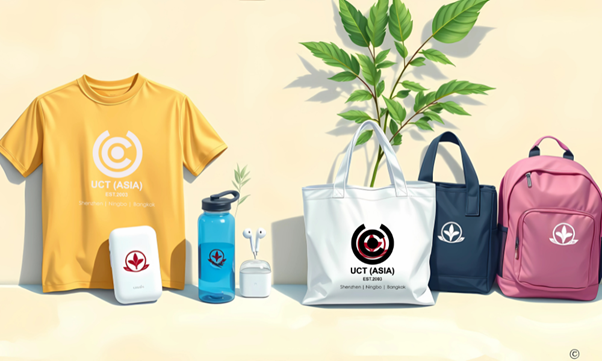
Printing technology has transformed dramatically over the past decade. What started as simple screen printing has evolved into a sophisticated industry with multiple techniques, each suited to different applications. For brands investing in promotional merchandise, understanding these options matters more than ever.
In 2025 the printing landscape continues shifting. New technologies emerge. Sustainability becomes a priority. Personalization reaches new levels. And the line between digital and physical continues to blur.
This guide explains the key printing techniques available today, the trends shaping the industry, and how to choose the right method for your merchandise.
Understanding Merchandise Printing Methods
Before exploring trends, you need to understand the fundamental techniques. Each method has strengths, limitations, and ideal use cases.
Screen Printing
Screen printing is the traditional workhorse of merchandise decoration. Ink is forced through a mesh screen onto the product surface.
How it works:
A stencil is created on a fine mesh screen. Ink is placed on top and squeegeed through the open areas onto the material below. Each color requires a separate screen.
Advantages:
- Extremely durable prints that last for years
- Vibrant, opaque colors that pop on dark materials
- Cost-effective for large quantities
- Works on virtually any material
Limitations:
- Setup costs make small runs expensive
- Each color adds cost and complexity
- Detailed designs can lose fidelity
- Not ideal for photorealistic images
Best for: T-shirts, tote bags, promotional items in quantities over 50 units, designs with few colors
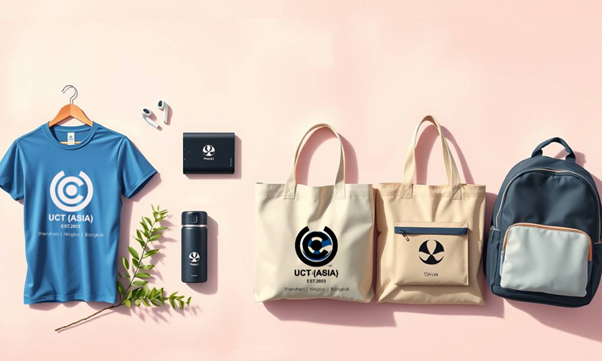
Direct-to-Garment (DTG) Printing
DTG uses specialized inkjet technology to print directly onto fabric. It is essentially a high-end printer for clothes.
How it works:
The garment is loaded onto a platen. Inkjet print heads move across the surface, depositing water-based inks directly into the fabric fibers.
Advantages:
- No setup costs or minimums
- Unlimited colors and photorealistic detail
- Soft feel since ink absorbs into fabric
- Perfect for complex artwork and gradients
- Quick turnaround for one-offs
Limitations:
- Slower than screen printing for large quantities
- Works best on cotton and cotton blends
- Colors may appear slightly muted on dark fabrics
- Requires pre-treatment for dark garments
- Durability can be less than screen printing
Best for: Small quantities, detailed artwork, photorealistic designs, samples and prototypes
Heat Transfer Printing
Heat transfer applies designs to products using heat and pressure to bond ink to the surface.
How it works:
Designs are printed onto transfer paper or vinyl. Heat and pressure activate adhesive properties, bonding the design to the product.
Types of heat transfer:
- Vinyl cutting: Solid color sheets cut into shapes
- Digital transfers: Full-color prints transferred digitally
- Sublimation: Dye turns to gas and bonds with polyester
Advantages:
- No minimum quantities
- Full-color capability
- Works on hard surfaces (mugs, phone cases)
- Detailed designs possible
Limitations:
- Can feel like a plastic layer on fabric
- Durability varies by method
- Not all materials accept transfers well
- Sublimation limited to polyester and white/coated items
Best for: Hard goods, small quantities, personalization, sportswear and jerseys
Embroidery
Embroidery uses needle and thread to create designs on fabric. It offers a premium, textured finish.
How it works:
Digital files are converted into stitch patterns. Computerized machines then sew the design onto garments using multiple thread colors.
Advantages:
- Premium appearance and perceived value
- Extremely durable
- Works on various fabric types
- Professional look for corporate apparel
- No cracking or fading
Limitations:
- Limited detail compared to printing
- Small text can be difficult to read
- Higher cost than printing
- Thread colors are limited
- Not suitable for all designs
Best for: Corporate apparel, polos, hats, premium gifts, logos and simple designs
Pad Printing
Pad printing transfers ink from an etched plate to a product using a silicone pad.
How it works:
An image is etched into a plate. Ink fills the etched area. A silicone pad presses onto the plate, picks up ink, and transfers it to the product surface.
Advantages:
- Prints on curved and irregular surfaces
- Fine detail capability
- Fast production speeds
- Cost-effective for medium quantities
Limitations:
- Limited to smaller print areas
- Each color requires separate setup
- Not ideal for large designs
Best for: Pens, drinkware, electronics, curved surfaces, small promotional items
2025 Printing Trends
Sustainability Focus
Environmental concerns are reshaping the printing industry. Brands and consumers demand eco-friendly options.
Sustainable ink innovations:
- Water-based inks replacing petroleum-based plastisols
- Soy and vegetable-based ink formulations
- Bio-derived pigments and dyes
Sustainable processes:
- Digital printing reduces waste from setup and screens
- On-demand printing eliminates overproduction
- Local production reduces shipping emissions
Certification growth:
More printers seek environmental certifications like OEKO-TEX, Bluesign, and GOTS. These verify safe materials and responsible processes.
Personalization at Scale
Mass customization has become economically viable. Brands can now offer personalized merchandise without mass production costs.
Variable data printing:
Each item can have unique elements: names, numbers, locations, or designs. This creates personal connections at scale.
Applications include:
- Event merchandise with attendee names
- Team apparel with individual player details
- Location-specific designs for franchises
- Personalized corporate gifts
Hybrid Techniques
Printers increasingly combine methods for optimal results.
Common combinations:
- Screen print base with DTG detail
- Embroidery with printed accents
- Sublimation with sewn construction
These hybrids leverage the strengths of multiple techniques while minimizing weaknesses.
Automation and AI
Technology streamlines production and expands capabilities.
Automated pre-press:
AI optimizes designs for specific printing methods. Color separation, trapping, and file preparation happen automatically.
Robotic handling:
Automated systems load and unload products, reducing labor costs and increasing consistency.
Quality control:
Machine vision systems inspect prints in real-time, catching defects immediately.
Direct-to-Film (DTF) Growth
DTF printing applies designs to film first, then transfers to fabric. It is gaining popularity as an alternative to DTG and screen printing.
How DTF works:
Designs print onto special film using water-based inks. Powder adhesive is applied and melted. The film is then heat-pressed onto the garment.
Advantages:
- Works on any fabric (cotton, polyester, blends)
- No pre-treatment required
- Vibrant colors on dark garments
- Good wash durability
- No weeding like vinyl
Limitations:
- Slightly heavier feel than DTG
- Additional equipment and supplies needed
- Learning curve for optimal results
Augmented Reality Integration
Printed merchandise connects to digital experiences through AR.
How it works:
Special markers or image recognition trigger digital content when scanned with smartphones. This bridges physical products and digital engagement.
Applications:
- Apparel that launches videos or websites
- Product packaging with interactive instructions
- Event merchandise with exclusive digital content
- Business cards with portfolio showcases
Choosing the Right Printing Method
With so many options, how do you decide? Consider these factors:
Quantity
Small quantities (1-24): DTG, heat transfer, or DTF
Medium quantities (25-100): Screen printing (if simple colors), DTF, or heat transfer
Large quantities (100+): Screen printing for cost efficiency
Design Complexity
Simple logos (1-3 colors): Screen printing or embroidery
Photographic images: DTG or DTF
Fine detail: DTG, DTF, or pad printing
Small text: Avoid embroidery, prefer printing methods
Material Type
Cotton garments: All methods work well
Polyester/performance: Sublimation or DTF
Hard goods: Pad printing or heat transfer
Mixed materials: DTF for versatility
Durability Requirements
Long-term daily use: Screen printing or embroidery
Event giveaways: Any method
Premium gifts: Embroidery or high-quality screen printing
Budget Constraints
Tight budget, large quantity: Screen printing
Tight budget, small quantity: Heat transfer vinyl
Flexible budget, premium feel: Embroidery or DTF
Quality Considerations
Not all printing is equal. Quality varies significantly between suppliers.
What to Look For
Ink quality: Premium inks resist fading and cracking. They feel soft rather than plasticky.
Registration accuracy: Multi-color designs should align perfectly. Misregistration creates blurry or offset images.
Cure consistency: Properly cured ink bonds completely and withstands washing. Under-cured ink cracks or peels.
Color matching: Brand colors should match consistently. Pantone matching systems ensure accuracy.
Testing and Proofing
Always request samples or proofs before full production:
- Check how designs look on actual products
- Wash test samples to verify durability
- Verify color accuracy against brand standards
- Confirm sizing and placement
Working With Printing Partners
Questions to Ask
Capabilities: What printing methods do you offer? What is your maximum capacity?
Experience: Have you worked with similar products or industries? Can you show examples?
Quality control: What processes ensure consistent quality? How do you handle defects?
Sustainability: Do you offer eco-friendly inks and processes? What certifications do you hold?
Turnaround: What are typical production timelines? How do you handle rush orders?
Providing Artwork
File formats: Vector files (AI, EPS, PDF) work best for most methods. High-resolution PNG or TIFF for DTG.
Color specifications: Provide Pantone codes for color matching. Specify if colors are critical.
Sizing and placement: Clearly indicate print dimensions and locations. Provide mockups when possible.
Special requirements: Note any specific needs like tagless labels or special packaging.
Conclusion
The future of merchandise is shaped by innovation in printing technologies, sustainable production techniques, and consumer demand for meaningful design — factors that enable brands to deliver products with deeper resonance and longer life. Forward-thinking brands that embrace these trends not only improve aesthetics and quality but also demonstrate alignment with modern values.
As a branded merchandise agency, UCT (Asia) expertise in advanced print methods and sustainable practices allows us to help brands create point-of-sale merchandise and promotional items that are both visually striking and environmentally thoughtful. By combining creativity with technical excellence, we help clients stay ahead of trends while strengthening brand influence through impactful merchandise.