
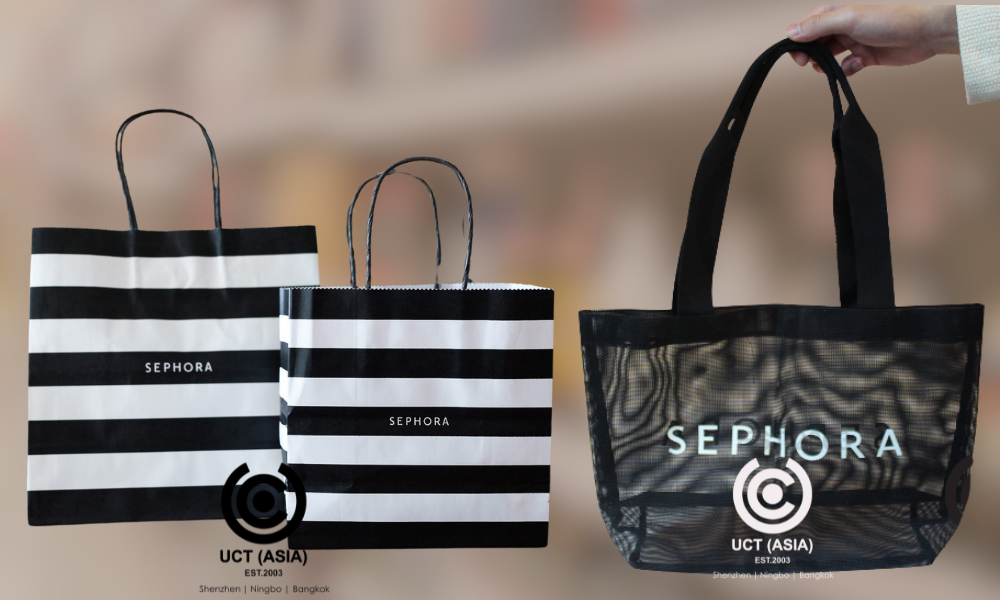
Merchandise bags have always served a simple purpose: carrying products from one place to another. Yet behind that everyday function lies a story shaped by convenience, environmental consequences, and shifting consumer expectations. What started as a low-cost solution has evolved into a powerful symbol of brand responsibility and innovation.
Today, the type of bag a business offers says as much about its values as the products inside it.
The Rise of Plastic Bags: Efficiency at Scale
Plastic bags surged in popularity during the 1970s because they solved multiple business challenges at once. They were lightweight, durable, inexpensive, and easy to mass-produce.
Retailers quickly adopted them as a standard. At their peak, global usage reached staggering levels. UNEP estimates that up to 5 trillion plastic bags are used worldwide each year.
For businesses, the appeal was clear:
- Lower costs compared to paper alternatives
- Easier storage and transportation
- Greater durability for customers
Plastic bags became synonymous with modern retail convenience. However, that convenience came with long-term consequences that were not immediately visible.
The Environmental Turning Point
As plastic consumption increased, so did awareness of its environmental impact. Unlike organic materials, plastic does not fully decompose. Instead, it breaks down into microplastics that persist in ecosystems for hundreds of years.
These particles:
- Absorb toxic chemicals
- Contaminate soil and water
- Enter the food chain through marine life
National Geographic reports that millions of marine animals are harmed annually due to plastic pollution. In oceans, plastic bags can be mistaken for food or cause entanglement, disrupting entire ecosystems.
Burning plastic introduces another layer of damage by releasing harmful toxins into the air. What once seemed like a convenient solution revealed itself as a long-term environmental challenge.
Regulation and Consumer Awareness Drive Change
As evidence of environmental harm grew, governments and organizations began implementing restrictions and bans on single-use plastics. At the same time, consumer behavior shifted.
Sustainability moved from a niche concern to a mainstream expectation. Studies show that more than 70 percent of consumers prefer brands that demonstrate environmental responsibility.
This shift created a new dynamic. Businesses no longer viewed packaging as a purely functional element. It became a visible statement of values.
The Rise of Eco-Friendly Alternatives
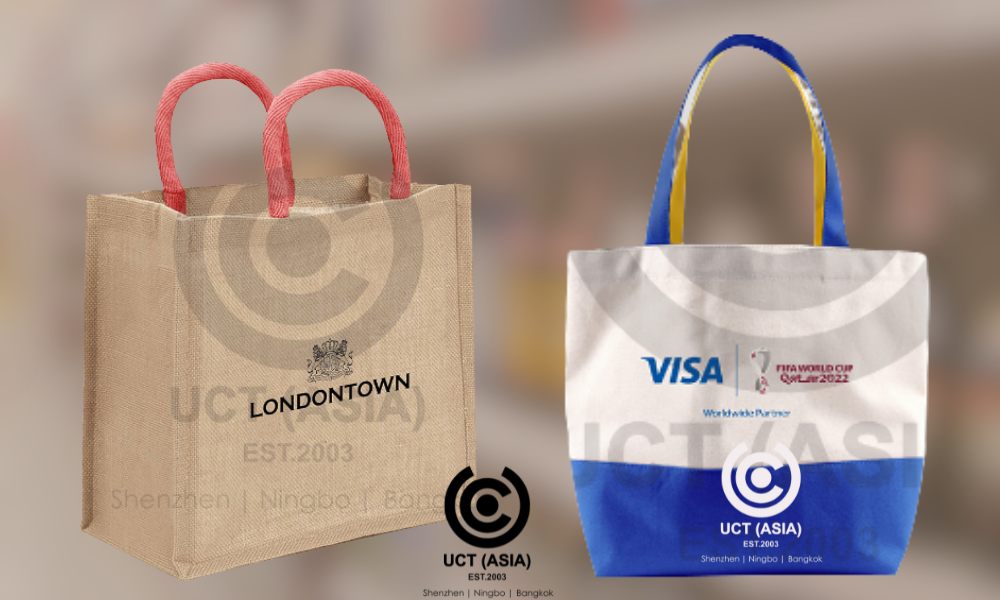
In response, reusable and sustainable bags entered the market. Materials such as cotton, jute, canvas, and recycled plastics offered alternatives that reduced environmental impact when used consistently.
These bags deliver multiple advantages:
- Reduced waste through repeated use
- Stronger durability over time
- Alignment with eco-conscious values
For businesses, the shift created an opportunity. Sustainable packaging began influencing purchasing decisions, allowing brands to differentiate themselves through responsible practices.
Design Evolution: From Utility to Experience
Modern merchandise bags do more than carry items. They enhance the overall customer experience.
Design improvements include:
- Reinforced handles for durability
- Zippers and compartments for organization
- Convertible styles that function as backpacks or tote bags
This evolution reflects a broader trend. Products that combine function with thoughtful design remain in use longer, increasing brand exposure.
A well-designed bag becomes part of a customer’s daily routine, extending its value far beyond the initial purchase.
Sustainability as a Competitive Advantage
Eco-friendly bags now operate at the intersection of branding and responsibility. They communicate a message before a customer even interacts with your product.
When customers carry reusable bags:
- They reinforce your brand in public spaces
- They associate your business with conscious choices
- They contribute to reducing environmental impact
This creates a cycle where visibility and values reinforce each other. Brands that embrace sustainability don’t just reduce harm. They strengthen customer trust and loyalty.
The Future: Smart and Connected Merchandise Bags
Innovation continues to push merchandise bags beyond traditional design. Emerging technologies are beginning to transform how these products function.
Future developments include:
- QR codes that unlock product information or promotions
- Augmented reality experiences linked to packaging
- GPS-enabled tracking for enhanced usability
These features turn bags into interactive tools rather than passive carriers. They extend engagement beyond the point of purchase and create new opportunities for brands to connect with customers.
From Convenience to Conscious Choice
The journey of merchandise bags reflects a broader shift in business and consumer priorities. What began as a focus on efficiency has evolved into a balance between functionality, sustainability, and brand identity.
Every material choice, design feature, and innovation contributes to how customers perceive your brand. Businesses that adapt to this shift position themselves for long-term relevance in a market that increasingly values responsibility.
Create Bags That Carry More Than Products
Modern merchandise bags carry meaning. They represent your brand’s commitment to quality, design, and environmental responsibility. When chosen thoughtfully, they become long-term assets that reinforce both visibility and trust.
If your goal is to create packaging that aligns with sustainability trends while enhancing customer experience, investing in well-designed branded merchandise solutions allows you to deliver products that reflect your values, strengthen your identity, and leave a lasting impression.