
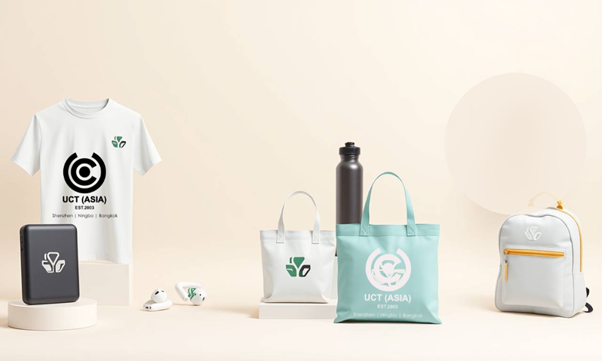
Event merchandise no longer sits on the sidelines as a branding afterthought; it operates as a conversion system, a memory trigger, and a behavioral influence mechanism that shapes how attendees interact with your event. When structured correctly, merchandise increases average spend, extends brand recall beyond the event window, and transforms passive attendees into active participants. A 2023 EventMB industry report found that events integrating experiential merchandising strategies increased per-attendee revenue by up to 27%, largely due to improved engagement and reduced friction in the buying process.
Instead of asking “What should we sell?”, shift the question toward “What behaviors do we want to trigger?” because every merchandise decision influences attention, emotion, and action.
Audience Intelligence as the Foundation of Merchandise Strategy
Every successful merchandise system begins with behavioral alignment. Different audiences do not just prefer different products; they respond to different value signals.
A tech conference attendee evaluates utility and innovation, while a music festival attendee responds to identity expression and social signaling. This difference drives purchase motivation.
Behavioral Mapping Framework
Break your audience into functional profiles instead of demographics alone:
- Utility-Driven Buyers
Seek function, durability, long-term use
Examples: power banks, smart accessories - Identity-Driven Buyers
Want items that reflect personality or belonging
Examples: apparel, limited-edition designs - Experience-Driven Buyers
Purchase as part of the event memory
Examples: collectibles, signed items - Impulse Buyers
Triggered by urgency, scarcity, and visibility
Examples: flash-sale merchandise, bundles
A 2024 Statista consumer behavior study shows that 62% of event attendees are more likely to purchase merchandise that aligns with their personal identity rather than purely functional value.
Strategic Application
Match merchandise types to behavioral triggers:
| Audience Type | Trigger | Product Strategy | Outcome |
|---|---|---|---|
| Tech Professionals | Efficiency | Smart gadgets | Higher perceived value |
| Gen Z Attendees | Identity | Trend-based apparel | Social amplification |
| Corporate Guests | Utility + Prestige | Premium branded kits | Increased brand recall |
This alignment reduces decision friction because the product already matches internal motivation.
Utility + Emotional Value = Purchase Momentum
People rarely buy merchandise for one reason. Purchases occur when functional value and emotional appeal intersect.
A reusable water bottle alone is practical. A limited-edition bottle tied to a memorable event moment becomes a hybrid of utility and emotional anchoring.
Dual-Value Model
- Functional Layer → solves a problem
- Emotional Layer → creates attachment
When both layers exist, purchase probability increases significantly. A 2022 Harvard Business Review study found that emotionally connected customers deliver more than double the lifetime value of purely satisfied customers.
Execution Tactics
- Add storytelling to products
Example: “Exclusive design inspired by this year’s theme” - Embed context
Example: date, location, or event milestone - Upgrade everyday items
Example: eco-friendly notebooks with premium design and tactile quality
Ask yourself: would someone still use this item three months later? If yes, you’ve extended brand exposure beyond the event.
Scarcity and Urgency as Conversion Accelerators
Scarcity operates as one of the most powerful behavioral triggers in retail environments. It activates loss aversion, a principle identified by behavioral economists Daniel Kahneman and Amos Tversky, where people fear missing out more than they value gaining something.
Mechanism of Scarcity
Scarcity → Perceived Value Increase → Urgency → Faster Decision → Higher Conversion
A 2023 Shopify retail study reported that limited-time offers can increase conversion rates by up to 30%, especially in high-energy environments like live events.
Strategic Scarcity Models
- Limited Quantity Drops
“Only 100 units available” - Time-Based Scarcity
“Available for 2 hours only” - Access-Based Exclusivity
VIP-only merchandise - Tiered Releases
Early access → general release
Each model creates a slightly different psychological trigger. Combining them multiplies impact.
Example Flow
VIP early access → limited quantity → countdown timer → public release
This layered approach transforms passive browsing into active competition among attendees.
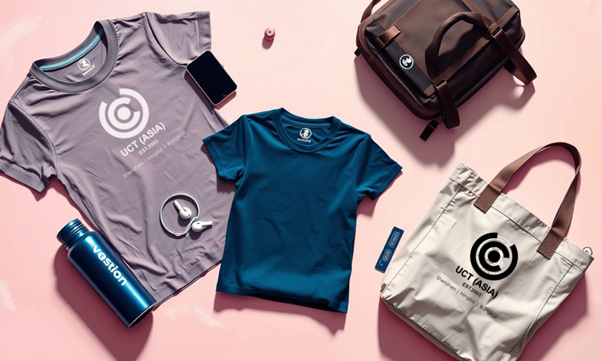
Designing Merchandise Spaces That Convert Attention into Action
A merchandise booth is not just a sales point; it functions as a micro-retail environment competing for attention in a highly stimulating setting.
According to retail analytics firm RetailNext, well-designed in-store experiences can increase dwell time by up to 40%, directly correlating with higher purchase rates.
The Attention-to-Purchase Path
Visibility → Curiosity → Interaction → Emotional Engagement → Purchase
High-Performance Display Elements
1. Visual Hierarchy
Use lighting and placement to guide attention toward high-margin or limited items first
2. Accessibility
Allow attendees to touch, test, or try products
Physical interaction increases perceived ownership
3. Live Demonstrations
Show product use in real time
Example: charging a phone using a branded power bank
4. Micro-Experiences
- Customization stations
- Photo opportunities with merchandise
- Gamified rewards
These elements extend interaction time, which increases the likelihood of purchase.
A Nielsen study on experiential marketing found that immersive brand interactions improve purchase intent by over 70% compared to passive exposure.
Reducing Friction in the Purchase Process
Every additional step in a checkout process introduces cognitive load, which reduces completion rates.
The Baymard Institute reports that 18% of users abandon purchases due to overly complicated checkout systems. In fast-paced event environments, this percentage can rise even higher.
Friction Points to Eliminate
- Long queues
- Limited payment methods
- Slow transaction systems
- Confusing pricing
Optimization Strategies
Multi-Channel Payments
Accept credit cards, mobile wallets, and contactless payments
QR Code Checkout
Scan → select → pay
Reduces time per transaction significantly
Self-Service Kiosks
Allow independent purchases without staff bottlenecks
Preloaded Event Wallets
Attendees preload funds before the event
Removes payment hesitation entirely
Cognitive Simplification
- Display clear pricing
- Bundle products to reduce decision-making
- Use signage like “Best Seller” or “Staff Pick”
These cues act as decision shortcuts, reducing mental effort and accelerating purchases.
Pre-Event Commerce: Capturing Revenue Before Arrival
Waiting until the event begins to sell merchandise limits your revenue window. Pre-event strategies expand the timeline and create early commitment.
Pre-Event Conversion Model
Anticipation → Early Access → Commitment → On-Site Reinforcement
A 2024 Eventbrite trend report shows that events offering pre-order merchandise see up to 20% higher total merchandise revenue compared to on-site-only sales.
Effective Pre-Sale Tactics
- Exclusive Pre-Order Designs
Only available before the event - Discount Incentives
Lower price for early buyers - Bundle Offers
Ticket + merchandise packages - Pickup Convenience
Skip lines by collecting items at the event
This approach does more than increase revenue; it also reduces inventory risk and improves demand forecasting.
Integrating Merchandise into the Attendee Experience Loop
Merchandise should not exist as a separate activity. It should integrate into the attendee journey.
Experience Loop Model
Awareness → Interaction → Purchase → Usage → Memory → Advocacy
Each stage reinforces the next.
Practical Integration Examples
- Include merchandise in event activities
Example: scavenger hunts with product rewards - Encourage social sharing
Example: “Post your merch look to win upgrades” - Connect merchandise to moments
Example: exclusive items tied to keynote sessions or performances
When merchandise becomes part of the story, it shifts from optional purchase to essential participation.
Strategic Positioning: From Vendor to Experience Partner
The final section of the original content introduces a service provider, but the positioning can evolve from promotional to strategic.
Instead of presenting as a supplier of products, position as a system designer that optimizes:
- Revenue per attendee
- Engagement depth
- Brand retention
Value Proposition Upgrade
From: “We create merchandise”
To: “We engineer merchandise systems that influence attendee behavior and maximize event ROI”
This shift aligns with how modern event organizers evaluate partnerships.
Strategic Summary Table: Tactics and Measurable Impact
| Strategy | Mechanism | Measurable Impact |
|---|---|---|
| Audience Alignment | Behavioral matching | Higher conversion rates |
| Utility + Emotion | Dual-value perception | Increased product retention |
| Scarcity | Loss aversion trigger | Faster purchasing decisions |
| Engaging Displays | Increased dwell time | Higher average order value |
| Frictionless Checkout | Reduced cognitive load | Lower abandonment rates |
| Pre-Event Sales | Extended revenue window | Improved cash flow |
| Experience Integration | Emotional anchoring | Stronger brand loyalty |
Reflection Prompt for Event Strategists
Look at your current merchandise setup and ask:
- Does each product trigger a specific behavior?
- Where does friction exist in the buying journey?
- Are you selling items, or creating moments people want to keep?
The answers to these questions shape whether merchandise becomes a side activity or a primary driver of both revenue and attendee satisfaction.